Flexitank requirements vary depending on the shipping line, cargo type, and transport mode involved. Most major carriers require flexitank manufacturers to hold a Certificate of Approval (COA) and comply with specific container condition standards before loading is permitted. Rail transport introduces additional restrictions. This article answers the most common operational questions about flexitank logistics, from approvals and cargo suitability to liability and container readiness.
Which shipping lines approve flexitank use on their vessels?
Not all shipping lines accept flexitanks, and those that do typically maintain their own approved supplier lists and operational requirements. Major carriers such as Maersk, MSC, CMA CGM, Hapag-Lloyd, and Evergreen have historically permitted flexitank use, but acceptance policies differ by route, cargo type, and the manufacturer’s certification status. Always confirm approval directly with the carrier before booking.
Shipping lines that allow flexitank shipments generally require that the flexitank unit comes from a manufacturer holding a valid COA and that the 20-foot dry container used meets their structural and cleanliness standards. Some carriers restrict flexitank cargo to specific trade lanes or exclude certain chemical products entirely, particularly those classified as hazardous under IMDG regulations.
Because carrier policies are updated periodically, it is essential to verify current approval status before each shipment rather than relying on previous bookings. Working with an experienced flexitank logistics provider simplifies this process considerably, as established providers maintain active relationships with approved carriers and stay current on policy changes across lanes.
What is the COA and why do flexitank manufacturers need it?
The COA, or Certificate of Approval, is a certification issued to flexitank manufacturers that confirms their products meet the safety and performance standards required by shipping lines and industry bodies. Manufacturers need the COA because most major carriers will not accept flexitanks on their vessels unless the unit is produced by a COA-certified supplier. It is effectively the baseline quality credential for the flexitank industry.
The COA certification process evaluates the structural integrity of the flexitank, the quality of materials used, filling and discharge valve performance, and the manufacturer’s overall production standards. The certification is typically granted by recognized industry associations or through carrier-led approval programs and must be renewed regularly to remain valid.
For shippers, working with a provider that sources flexitanks exclusively from COA-certified manufacturers is a practical safeguard. It reduces the risk of a shipment being rejected at port and provides confidence that the unit has been independently assessed for the demands of ocean freight. At Transitainer Shipping, we work only with certified manufacturers and approved shipping line partners to ensure every flexitank shipment meets current acceptance requirements.
Are flexitanks approved for rail transport?
Flexitanks are generally not approved for rail transport in most markets. The primary reason is the dynamic forces involved in rail operations, including shunting impacts and lateral acceleration, which significantly exceed the stress tolerances flexitanks are designed for. This makes rail an unsuitable mode for flexitank shipments in the majority of cases.
In some specific corridors and under controlled conditions, limited rail movement may be possible, but this is the exception rather than the rule and requires explicit approval from both the rail operator and the flexitank manufacturer. The standard recommendation from the industry is to restrict flexitank transport to road and ocean freight only.
If your supply chain involves a rail leg, an ISO tank container is typically the more appropriate solution. ISO tanks are purpose-built for multimodal transport, including rail, and can carry liquid cargo safely across intermodal routes. For shippers needing flexibility across both ocean and overland segments, this distinction is an important planning consideration.
What cargo types are suitable for flexitank transport?
Flexitanks are suitable for non-hazardous bulk liquids that can be safely contained within a single-use polyethylene bladder inside a standard 20-foot dry container. Common cargo types include food-grade products such as edible oils, wine, fruit juices, and liquid sweeteners, as well as industrial liquids like latex, glycerin, and non-hazardous chemical solutions. A single flexitank can carry up to 27,000 litres of liquid cargo.
The key eligibility criteria are that the cargo must be non-hazardous under IMDG classification, compatible with the flexitank’s polyethylene inner layer, and within the approved weight and volume limits for the container. Cargo that is highly viscous, requires temperature control beyond passive insulation, or reacts with polyethylene is generally not suitable.
Flexitanks offer a cost-efficient alternative to ISO tank containers for non-hazardous liquids, particularly for shippers who do not require the return logistics of a steel tank. However, for hazardous chemicals, gases, or cargoes requiring strict temperature management, an ISO tank remains the correct choice. Understanding this distinction helps shippers select the most appropriate and compliant solution for each product. Learn more about how flexitank shipping companies differ from regular freight companies to make a more informed decision for your cargo.
What are the container condition requirements for flexitank loading?
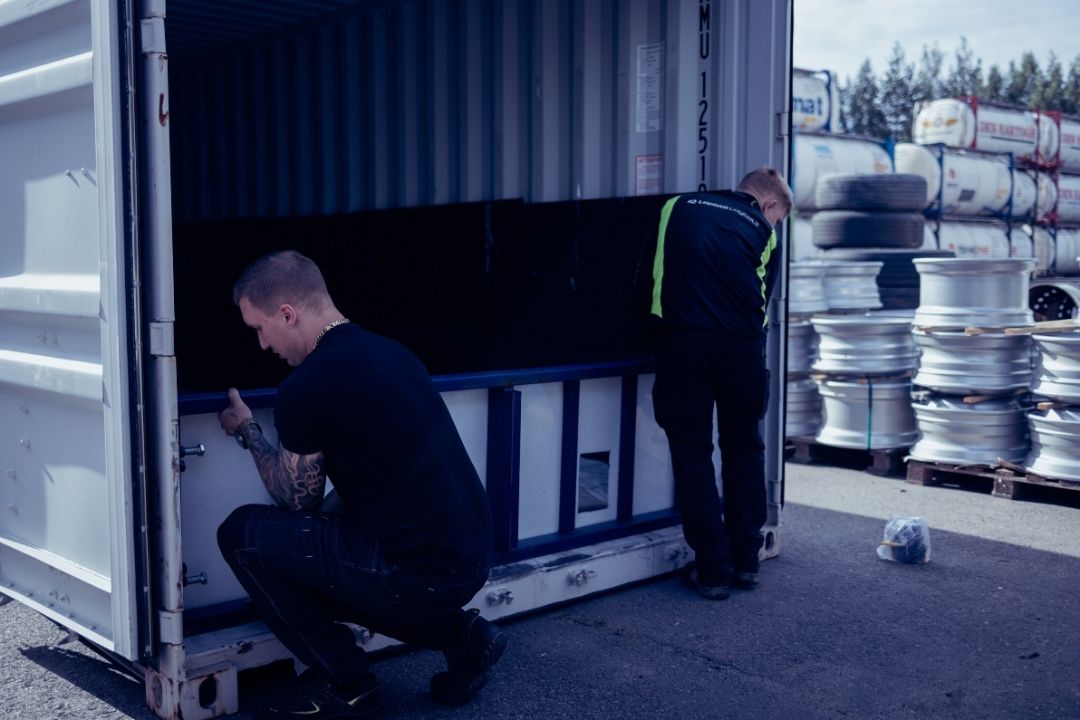
The 20-foot dry container used for flexitank loading must meet strict condition standards before the flexitank is fitted. The container must be structurally sound, free from rust penetration, sharp protrusions, or damaged flooring that could puncture the bladder. It must also be clean, dry, and odour-free, with no residue from previous cargo that could contaminate the liquid product.
Most flexitank providers and shipping lines require a pre-loading container inspection to verify these conditions. Key checkpoints include:
- No holes, cracks, or structural deformations in the walls, floor, or roof
- Doors that close and seal properly to prevent water ingress
- A clean, dry interior with no foreign material or strong odours
- No protruding bolts, nails, or weld seams that could damage the bladder
- Compliance with the maximum gross weight limit for the combined container and cargo
Failing to meet these conditions is one of the most common causes of flexitank incidents. A container that passes visual inspection but has hidden sharp edges or moisture trapped in the floor can cause a failure during transit. Using a professional fitting service through an established depot network reduces this risk significantly.
Who is responsible if a flexitank leaks or fails in transit?
Responsibility for a flexitank failure in transit depends on where the failure originated. If the flexitank unit itself was defective, liability typically falls on the manufacturer. If the failure resulted from improper fitting or loading, the fitting service provider may bear responsibility. If the container condition was inadequate, the shipper or container provider may be held accountable. In practice, determining fault requires a thorough investigation of each contributing factor.
This is why documentation at every stage matters. Pre-loading container inspection reports, fitting records, cargo loading logs, and photographic evidence all become critical in the event of a claim. Shippers should ensure their cargo insurance covers bulk liquid transport in flexitanks and that the policy terms are clear on what constitutes a covered loss.
Working with experienced flexitank providers who maintain rigorous fitting standards, use only COA-certified equipment, and provide full documentation throughout the process is the most effective way to reduce both the risk of failure and the complexity of any claim that may arise. Clear contractual terms between all parties, including the carrier, fitting depot, and logistics provider, are equally important in defining accountability from the outset. Contact us to discuss your specific flexitank requirements and ensure every shipment is handled with the right expertise and documentation.