Dry bulk transport involves moving loose, unpacked commodities in large quantities, and getting cargo out of a container efficiently is just as important as getting it in. One piece of equipment that makes this discharge process fast and practical is the tipping chassis. If you work with dry bulk cargo services and want to understand how your shipments move from port to final destination, knowing what a tipping chassis does and when to use it will help you make better logistics decisions.
This article walks you through the mechanics of tipping chassis operations, the types of cargo suited to this method, and the practical considerations that affect how and when this equipment fits into your supply chain.
What is a tipping chassis, and what does it do?
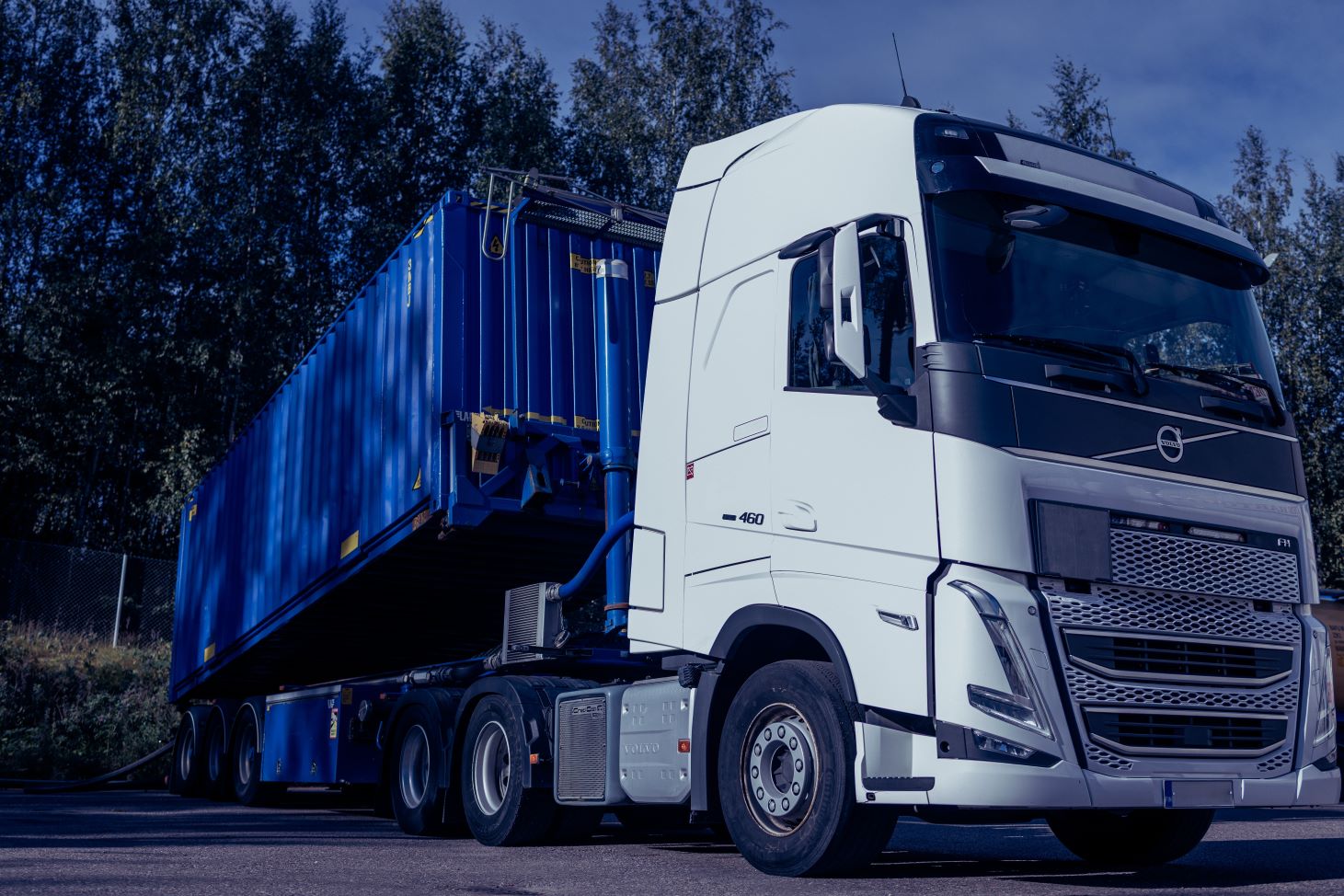
A tipping chassis is a specialised road trailer designed to carry an intermodal container and tilt it at an angle so that the cargo inside empties by gravity through an opening at the bottom or rear. It combines the function of a standard container chassis with a hydraulic tilting mechanism, allowing dry bulk cargo to discharge directly into a receiving facility without manual unloading.
In practical terms, the chassis does two jobs in one trip. It transports the container by road from a port or depot to the delivery site, and then discharges the cargo on arrival. This eliminates the need for a separate unloading step, which saves time and reduces handling costs. The system works by raising the front of the container using hydraulic rams, creating a steep enough angle for the bulk material to flow freely towards the discharge outlet.
Tipping chassis are a standard piece of equipment in dry bulk cargo transport services, particularly where fast, gravity-assisted discharge is preferred over mechanical alternatives such as pneumatic systems or rotary valves.
How does a tipping chassis work in bulk cargo operations?
A tipping chassis works by using a hydraulic lifting system built into the trailer frame. Once the loaded container is secured on the chassis and driven to the delivery point, the operator activates the hydraulics to raise the container to a tipping angle. The cargo then flows out through a discharge hatch, typically at the lower end of the container, into a receiving silo, hopper, or collection area below.
The process integrates smoothly into intermodal logistics chains. A standard container arrives at a port by sea, is transferred onto a tipping chassis for road transport, and travels directly to the end customer’s facility. There, the tipping operation takes place on-site, often without any additional equipment at the receiving end beyond a suitable pit or hopper opening.
The speed of discharge depends on the cargo type, the tipping angle, and the design of the container’s discharge outlet. Liner bags fitted inside the container can help control the flow and protect the cargo from contamination during transport, while still allowing efficient emptying when the container is tilted.
What types of dry bulk cargo are transported with a tipping chassis?
A tipping chassis is suited to free-flowing dry bulk materials that can discharge by gravity when the container is tilted. Common cargo types include chemical granules, plastic pellets, food-grade powders, agricultural products, and similar dry commodities that flow predictably and do not clump or bridge inside the container.
In food and chemical logistics, liner bags are frequently used inside the container to keep the cargo clean, prevent contamination, and maintain product integrity throughout the journey. When the container tips, the liner directs the material towards the discharge point in a controlled way.
Cargo that is too cohesive, too moist, or prone to bridging may not discharge cleanly by gravity alone, making a tipping chassis less suitable for those materials. For cargo with those characteristics, other discharge methods may perform better. For the right product types, however, tipping is one of the most straightforward and cost-effective discharge solutions available in dry bulk cargo transport services.
What’s the difference between a tipping chassis and other bulk discharge methods?
The main difference between a tipping chassis and other bulk discharge methods is how the cargo moves out of the container. A tipping chassis relies entirely on gravity by lifting the container to an angle. Other methods use mechanical or pneumatic force to move the material, regardless of the container’s position.
Tipping chassis vs. pneumatic discharge
Pneumatic systems use pressurised air to push or pull bulk material through pipes from the container to a receiving silo. This method works well for very fine powders and materials that do not flow freely by gravity. However, it requires more equipment at the discharge point and involves higher energy use. A tipping chassis is simpler and faster for materials that flow well, with fewer components that can fail or require maintenance.
Tipping chassis vs. rotary valve (SDU) systems
Rotary valve systems, sometimes called SDU deliveries, control the flow of material out of a container through a valve mechanism at the base. This provides more precise control over the discharge rate, which is useful for sensitive products or when connecting directly to processing equipment. Tipping chassis discharge is generally faster and less controlled, making it better suited for bulk offloading into large hoppers or silos where the exact flow rate matters less.
Choosing between these methods depends on your cargo properties, your receiving facility’s setup, and the speed and precision you need from the discharge process.
When should a tipping chassis be used in intermodal logistics?
A tipping chassis is the right choice in intermodal logistics when you need a seamless, door-to-door bulk cargo solution that combines road transport and on-site discharge in a single operation. It works best when your receiving facility has a pit, hopper, or floor-level collection point that can accept gravity-discharged material, and when your cargo flows freely enough to empty by tilting.
In practical supply chain terms, a tipping chassis fits well when speed of delivery and discharge matters, when your volumes justify container-load quantities, and when you want to avoid the complexity of separate unloading equipment at the destination. It is particularly useful in intermodal chains where the container has already travelled by sea and needs to complete the final inland leg efficiently.
For businesses importing dry bulk commodities into the Nordics or the Baltics, a tipping chassis is often the most practical solution for the final delivery step, connecting port arrival directly to production or storage facilities without additional handling in between.
What are the key considerations for safe tipping chassis operations?
Safe tipping chassis operations depend on a combination of proper ground conditions, correct load distribution, equipment inspection, and trained operators. Each of these factors directly affects whether a tipping operation goes smoothly or creates a risk of container instability or cargo spillage.
Ground stability and positioning
The ground at the discharge location must be firm, level, and able to support the combined weight of the chassis, container, and cargo during the tipping process. Soft, uneven, or sloped ground increases the risk of the chassis shifting or the container losing balance at full tilt. Before any tipping operation, the driver and site operator should confirm that the surface is suitable and that the chassis is correctly positioned over the receiving point.
Load distribution and container condition
Cargo must be loaded evenly inside the container to prevent unbalanced forces during tilting. An unevenly loaded container can shift unexpectedly when raised, creating a tipping hazard. The container itself must be in good condition, with functional discharge hatches and no structural damage that could compromise its integrity under the stress of tilting.
Overhead clearance and site layout
Tipping a container raises its height significantly. Before the operation begins, you need to verify that there are no overhead obstructions such as power lines, roof structures, or loading bay ceilings in the area. Site layout planning is an important part of preparing for tipping chassis deliveries, especially at facilities that do not regularly receive this type of transport.
Working with an experienced logistics provider who understands these requirements helps you avoid delays, damage, and safety incidents during discharge operations.
At Transitainer Shipping, we offer tailored dry bulk cargo transport services that include flexible inland transport with tipping chassis, container-to-silo transfers, and door-to-door delivery solutions. Whether you are moving chemical granules, food-grade powders, or other dry commodities, we can help you find the right discharge method and transport setup for your specific cargo and receiving facility. If you want to discuss how tipping chassis operations fit into your supply chain, reach out to our team and we will be happy to help you work through the details.