Shipping bulk cargo sounds straightforward until you realise how different the requirements can be depending on what you’re moving. Whether you’re transporting chemicals, food-grade liquids, agricultural commodities, or industrial powders, choosing the right bulk logistics solution directly affects your costs, safety, and efficiency. Understanding the difference between dry bulk and liquid bulk shipping is the first step towards making that choice with confidence.
This article walks you through the core concepts, key differences, and practical considerations so you can approach your next bulk shipment with a clearer picture of what works best for your cargo.
What is bulk shipping and how does it work?
Bulk shipping is the transportation of large quantities of unpackaged or loosely packaged cargo, where goods are loaded directly into a container or vessel rather than into individual boxes or onto pallets. The defining feature is volume: bulk shipping moves commodities in large, consolidated quantities to reduce handling costs and improve transport efficiency.
The process typically involves loading cargo into a specialised container or vessel at the point of origin, transporting it by sea, by road, or by a combination of both, and then unloading it at the destination. Intermodal transport plays a big role here, meaning the same container can move across multiple transport modes without the cargo being repacked. This end-to-end approach keeps the supply chain lean and reduces the risk of damage or contamination during transit.
Bulk shipping generally falls into two broad categories: dry bulk and liquid bulk. Each requires different equipment, handling methods, and safety protocols, which is why understanding the distinction matters before you start planning a shipment.
What is dry bulk shipping and what cargo does it carry?
Dry bulk shipping is the transport of solid, granular, or powdered commodities in large quantities without individual packaging. Common dry bulk cargo includes agricultural products such as grain and sugar, chemical granules, plastic pellets, industrial powders, and food-grade ingredients in loose or granular form.
The equipment used for dry bulk transport is designed to handle these materials efficiently and safely. Standard bulk containers, silo containers, and liner bags are all common dry and liquid bulk solutions, depending on the nature of the cargo. Liner bags, for example, fit inside standard containers and create a sealed environment suitable for food-grade or chemical granules, protecting the cargo from moisture and contamination.
How is dry bulk cargo loaded and unloaded?
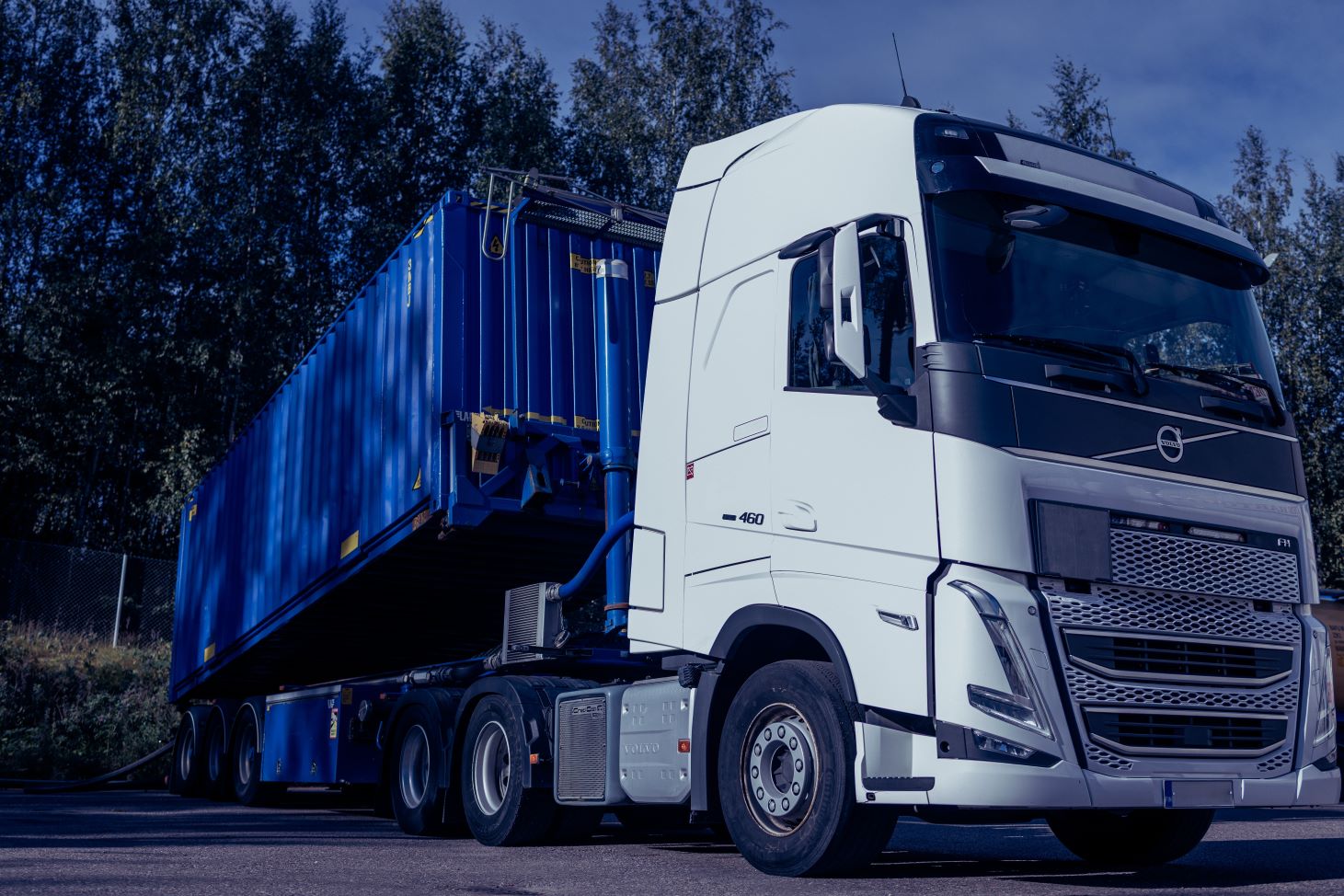
Loading and unloading dry bulk cargo requires specialised equipment and processes. Tipping chassis allow containers to be tilted so the cargo flows out by gravity, while rotary valve systems enable precise SDU (single discharge unit) deliveries directly into silos or processing facilities. Container-to-silo transfers are a common method in the food and chemical industries, where maintaining product integrity throughout the process is a priority.
Dry bulk transport solutions need to account for the physical properties of the cargo: particle size, moisture sensitivity, flowability, and whether the material is classified as food-grade or hazardous. These factors determine which container type and handling method is appropriate for each shipment.
What is liquid bulk shipping and what cargo does it carry?
Liquid bulk shipping is the transport of large volumes of liquid cargo without individual packaging, using specialised containers designed to contain and protect fluids during transit. Common liquid bulk cargo includes chemicals, food-grade oils and syrups, beverages, industrial fluids, and gases.
The two main equipment types for liquid bulk transport are ISO tank containers and flexitanks. ISO tanks are robust, reusable stainless steel containers that can handle a wide range of liquid and gas cargo, including hazardous chemicals and high-temperature products. Flexitanks are large, flexible bladders fitted inside standard 20-foot containers, designed for non-hazardous liquid cargo with a capacity of up to 27,000 litres.
What is the difference between ISO tanks and flexitanks?
ISO tanks and flexitanks serve different purposes and suit different cargo profiles. ISO tanks are suitable for hazardous chemicals, gases, food-grade liquids, and high-temperature cargo. They are reusable, cleaned between uses, and built to strict international standards. Flexitanks are a cost-efficient, single-use solution for non-hazardous liquids, offering high-volume capacity within a standard dry-container frame.
From a practical standpoint, the choice between the two depends on your cargo type, hazard classification, volume, and budget. ISO tanks offer greater flexibility across cargo types and routes, while flexitanks provide a straightforward, economical option when the cargo qualifies and the volume justifies it.
What is the difference between dry bulk and liquid bulk shipping?
The core difference between dry bulk and liquid bulk shipping is the physical state of the cargo and the equipment required to transport it safely. Dry bulk covers solid, granular, or powdered materials, while liquid bulk covers fluids and gases. This distinction drives every other difference: container type, loading method, safety requirements, and regulatory considerations.
Dry bulk containers are designed for easy filling and discharge of solid materials, often relying on gravity or pneumatic systems. Liquid bulk containers must be sealed, pressure-tested, and, in many cases, cleaned and certified between uses to prevent cross-contamination. The regulatory requirements for hazardous liquids and gases are significantly more complex than those for most dry commodities.
Temperature control is another point of difference. Certain liquid cargoes require heating or cooling during transport to maintain viscosity or product quality, while dry bulk cargo is more typically managed through moisture protection and structural containment. The logistics infrastructure, partner expertise, and documentation requirements also differ considerably between the two, which is why working with a specialist in bulk cargo transport makes a practical difference.
Which bulk shipping method is right for your cargo?
The right bulk shipping method depends on the physical state of your cargo, its hazard classification, volume, and the handling requirements at origin and destination. Start by identifying whether your cargo is solid, liquid, or gas, and then assess whether it is food-grade, hazardous, or temperature-sensitive.
For dry commodities such as granules, powders, or agricultural products, dry bulk container services using liner bags, silo containers, or tipping-chassis setups are worth evaluating. For liquid cargo, you need to determine whether ISO tanks or flexitanks are appropriate based on the hazard level and volume. Non-hazardous liquids in large volumes can often be handled cost-effectively with flexitanks, while chemicals, gases, and food-grade products requiring stricter handling typically call for ISO tank solutions.
It is also worth considering the full transport chain: where the cargo originates, how it will be discharged at the destination, and whether the route involves intermodal legs by sea and road. A door-to-door solution that covers trucking, terminal handling, and customs documentation often provides more value than managing individual legs separately, particularly for international shipments.
What are the most common challenges in bulk cargo transportation?
The most common challenges in bulk cargo transportation include contamination risk, regulatory compliance, equipment availability, and managing the complexity of intermodal routes. Each of these can affect delivery timelines, product quality, and overall cost if not addressed proactively.
Contamination is a particular concern for food-grade and chemical cargo, where residue from previous shipments can compromise product integrity. This is why cleaning, inspection, and certification between uses are standard practice for ISO tanks, and why liner bags in dry bulk containers provide a protective barrier for sensitive materials.
Regulatory compliance adds another layer of complexity, especially for hazardous cargo. Correct documentation, labelling, and classification are required for international transport, and errors can lead to delays, fines, or refused shipments. Customs clearance for import and export adds further process steps that require specialist knowledge to navigate efficiently.
Equipment availability and route planning are practical challenges that affect cost and reliability. Not every carrier operates the right container types on every lane, and coordinating tipping chassis, silo deliveries, or specialised tank handling requires a logistics partner with the right network and technical capability. Recycling and sustainability considerations are also becoming increasingly relevant, particularly for single-use materials like liner bags and flexitanks, where responsible disposal and recycling programmes form part of a responsible supply chain.
At Transitainer Shipping, we work with both dry bulk and liquid bulk cargo, offering tailored dry bulk transport solutions using liner bags, silo containers, and flexible inland transport, alongside ISO tank and flexitank services for liquid and gas cargo. We operate tank containers globally, which means you do not need to manage scheduled routes or logistics coordination yourself. Whether you need dry bulk container shipping, freight forwarding, or end-to-end customs support across the Nordics, Baltics, and beyond, we are here to help you find the right solution for your specific cargo and supply chain needs.
Ready to find the right bulk shipping solution?
Every bulk cargo shipment comes with its own set of requirements, and getting the details right from the start saves time, cost, and risk down the line. If you are unsure which method suits your cargo, or if you want to discuss your specific route and handling needs, reach out to our bulk shipping experts and we will help you find the most efficient and compliant solution for your supply chain.
This content was generated with the help of AI — it may contain mistakes