Dry bulk shipping is one of the most practical and cost-effective ways to move large volumes of solid commodities across borders. Whether you are managing a supply chain for food ingredients, chemical granules, or agricultural products, understanding how dry bulk logistics solutions work can help you make smarter decisions about how your cargo moves from origin to destination.
This article walks you through the most common questions businesses ask when evaluating dry bulk transport options, from what the service covers to how to choose the right provider for your specific needs.
What is dry bulk logistics, and what cargo does it cover?
Dry bulk logistics is the transportation and handling of solid, unpackaged commodities in large quantities. Rather than moving goods in individual boxes or pallets, dry bulk shipping consolidates cargo into containers or bulk vessels, making it well suited for granular, powdered, or pelletized materials that flow or pour freely.
Common cargo types in dry bulk container logistics include:
- Chemical granules and powders
- Food-grade ingredients such as flour, starch, and sugar
- Agricultural products, including grains and seeds
- Plastic pellets and polymer materials
- Mineral and industrial powders
The defining characteristic of dry bulk freight services is that the cargo is handled as a mass rather than as individual units. This changes how you plan loading, transport, and unloading, and it requires specific equipment and technical knowledge to do it safely and efficiently.
What are the main benefits of dry bulk logistics solutions?
The main benefits of dry bulk logistics solutions are cost efficiency, flexibility in transport modes, reduced packaging requirements, and the ability to move high volumes in a single shipment. These advantages make dry bulk shipping services particularly attractive for businesses that ship large, recurring quantities of the same commodity.
Lower cost per unit of cargo
Because dry bulk transport consolidates large quantities into a single container or shipment, the cost per tonne or kilogram is significantly lower than packaged freight. You eliminate individual packaging materials, reduce handling steps, and streamline the loading process, all of which translate into direct savings on your logistics budget.
Flexible and scalable operations
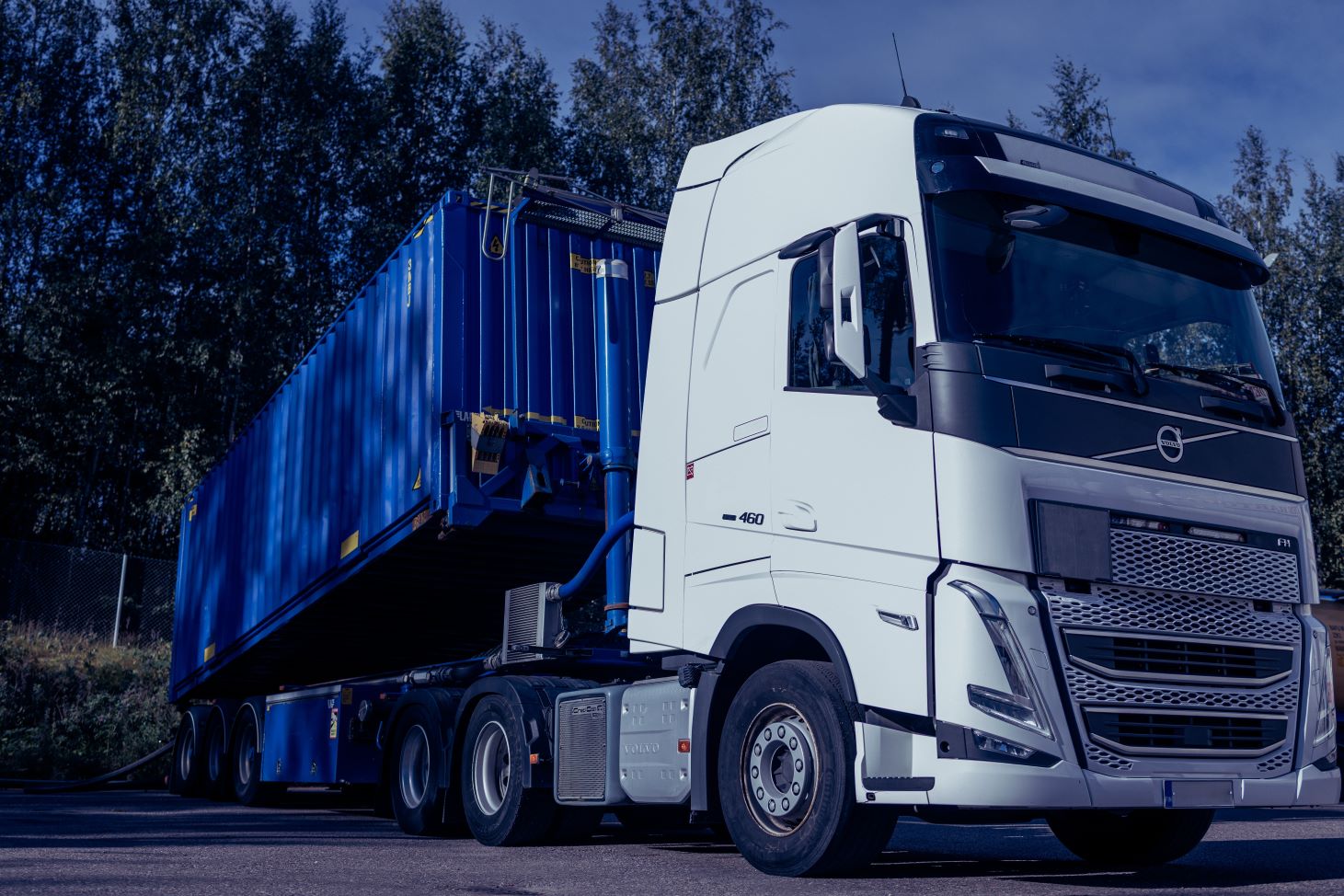
Dry bulk container services give you the flexibility to scale shipments up or down based on demand. Standard, bulk, and silo containers can be matched to your cargo volume, and inland transport options such as tipping chassis allow for efficient delivery directly to your facility or storage site. This adaptability is particularly useful for businesses with seasonal demand or variable production cycles.
Reduced packaging waste
Shipping in bulk rather than in individual packages reduces the amount of packaging material your operation generates. For companies with sustainability goals, this is a meaningful operational improvement. Recycling programs for liner bags and other bulk packaging materials further reduce environmental impact.
How does intermodal transport work for dry bulk cargo?
Intermodal transport for dry bulk cargo means moving a single container across multiple transport modes, typically combining sea freight, road haulage, and rail, without transferring the cargo itself between containers. The container stays the same throughout the journey, which reduces handling, minimizes contamination risk, and simplifies documentation.
In practice, a dry bulk container might travel by deep-sea vessel from an overseas origin, arrive at a port, and then continue by truck to a final destination such as a silo or processing facility. The use of tipping chassis for inland delivery and rotary valve systems for silo discharge means the cargo can move seamlessly from ship to storage with minimal manual intervention.
Intermodal solutions are especially relevant for businesses importing or exporting dry bulk commodities to and from regions such as the Nordics and the Baltics, where port connections link directly to inland road and rail networks. The ability to coordinate each leg of the journey under a single logistics framework simplifies your supply chain and reduces the risk of delays at handover points.
What is the difference between dry bulk and other bulk cargo types?
The key difference between dry bulk and other bulk cargo types is the physical state of the material. Dry bulk refers to solid commodities transported loose or in liner bags, while liquid bulk covers pourable liquids transported in tank containers or flexitanks, and gas bulk involves pressurized or cryogenic gases in specialized ISO tanks.
Dry bulk vs. liquid bulk
Dry bulk cargo, such as granules or powders, requires containers lined with food-grade or chemical-grade liner bags to protect the material and prevent contamination. Liquid bulk, by contrast, moves in sealed tank containers or flexitanks and relies on pumping systems for loading and unloading. The infrastructure, handling procedures, and equipment are entirely different between the two.
Dry bulk vs. gas cargo
Gas cargo requires highly specialized, pressure-rated ISO tank containers and strict safety protocols due to the nature of the materials. Dry bulk logistics is generally less technically demanding in terms of containment, though food-grade and chemical dry bulk shipments still require careful attention to contamination prevention, moisture control, and liner integrity.
Understanding these distinctions helps you identify which logistics solution fits your specific cargo and ensures you work with a provider that has the right equipment and expertise for your material type.
What types of companies benefit most from dry bulk solutions?
Companies that benefit most from dry bulk shipping solutions are those that regularly move large volumes of solid commodities and want to reduce per-unit transport costs while maintaining product integrity. This includes manufacturers, processors, and traders across several industries.
- Chemical manufacturers shipping granules, powders, or polymer pellets in regular volumes
- Food and ingredient producers transporting food-grade materials such as starches, flours, or sugar
- Agricultural businesses exporting or importing grains, seeds, or feed materials
- Industrial companies moving mineral or construction-related powders
- Logistics and supply chain managers looking to consolidate freight and reduce packaging overhead
Businesses that ship the same commodity repeatedly tend to see the greatest return from dry bulk container logistics because the operational setup, documentation, and handling procedures can be standardized over time. If your cargo is consistent and your volumes are meaningful, dry bulk freight services offer a strong combination of efficiency and reliability.
How do you choose the right dry bulk logistics provider?
Choosing the right dry bulk logistics provider comes down to three factors: technical expertise with your specific cargo type, a reliable network covering your trade lanes, and the ability to offer door-to-door solutions rather than just port-to-port transport. A provider that handles only one leg of the journey adds coordination complexity to your operation.
Check their cargo experience
Not all dry bulk transport providers handle food-grade and chemical cargo equally. Ask whether the provider uses high-quality liner bags suited to your material, whether they offer container-to-silo transfer capabilities, and whether they have experience with the specific requirements of your industry. A provider with deep technical knowledge can anticipate challenges before they become problems.
Evaluate their network and equipment
A strong provider should offer flexible inland transport options, including tipping chassis and silo delivery systems, as well as access to standard, bulk, and silo containers. Coverage across your key trade lanes, including deep-sea and regional routes, gives you more options and reduces dependence on a single shipping line or route.
Look for end-to-end service capability
The best dry bulk shipping companies manage the full journey, from documentation and customs clearance to final delivery and recycling of liner materials. This reduces the number of parties involved in your shipment and gives you a single point of contact for any issues that arise in transit.
At Transitainer Shipping, we offer tailored dry bulk logistics solutions that cover the full transport chain. From liner bag selection and container matching to door-to-door delivery with tipping chassis and SDU silo transfers, we handle the technical and operational details so you can focus on your business. If you are looking for a dry bulk transport partner in the Nordics and the Baltics with the expertise and network to support your supply chain, get in touch with our team to discuss your requirements.