If you ship dry bulk cargo in containers, you have probably wondered whether there is a smarter way to protect your product and simplify your logistics. Liner bags offer exactly that: a practical, cost-effective solution that turns a standard dry container into a purpose-built bulk transport unit. Whether you handle food-grade granules, chemical powders, or agricultural commodities, understanding how liner bags work can help you make better decisions about your dry bulk cargo transport services.
This article walks you through the most common questions about liner bags, from what they are and how they work to when they make more sense than traditional packaging or alternative bulk solutions such as flexitanks.
What is a liner bag and how does it work?
A liner bag is a large, flexible plastic or woven polypropylene insert that fits inside a standard shipping container, effectively turning it into a bulk cargo vessel. Instead of filling the container with individually packaged goods, you load your dry bulk product directly into the liner, which protects the cargo from contamination, moisture, and contact with the container walls during transit.
The liner is fitted to the interior dimensions of the container before loading begins. Once in place, the bulk material is loaded through an inlet at the top or rear of the bag. During unloading, the product flows out through a discharge spout, often into a silo or processing facility. This system makes the entire loading and unloading process significantly faster and more straightforward than handling individual bags or sacks.
The liner acts as a barrier between your product and the container itself, which is particularly important when hygiene or contamination risk is a concern. After use, the liner is removed and disposed of or recycled, leaving the container clean and ready for its next assignment.
What types of dry bulk cargo are liner bags used for?
Liner bags are suitable for a wide range of dry bulk commodities, particularly free-flowing granules and powders. Common cargo types include food-grade products such as sugar, starch, flour, and feed ingredients, as well as chemical granules and plastic resins. The liner creates a hygienic, enclosed environment suitable for both food and chemical applications.
The suitability of a liner bag depends largely on the flow characteristics of your product. Free-flowing materials that can be loaded pneumatically or by gravity and discharged through a spout are the best fit. Products that clump, absorb moisture excessively, or require temperature-controlled conditions may require a different approach.
For businesses transporting food-grade bulk materials, liner bags offer a clean, dedicated environment that reduces the risk of cross-contamination from previous container loads. For chemical producers shipping granules, the liner provides a protective barrier that keeps the product intact and uncontaminated throughout the journey.
What are the main benefits of using a liner bag?
The main benefits of using a liner bag for dry bulk cargo are cost savings, cargo protection, and logistical simplicity. By eliminating the need for individual packaging such as sacks or big bags, you reduce material costs and handling time. You also maximise the usable volume of the container, which means fewer shipments are needed to move the same quantity of product.
- Reduced packaging costs: No need for individual sacks, big bags, or pallets, which cuts both material and labour costs.
- Better container utilisation: Bulk loading fills the container more efficiently than stacked packaged goods.
- Product protection: The liner shields your cargo from moisture, dust, and contamination throughout transit.
- Faster loading and unloading: Pneumatic filling and gravity or rotary valve discharge speed up operations at both ends of the journey.
- Flexibility: Liner bags work with standard dry bulk container services, so you are not dependent on specialised equipment at every point in the supply chain.
For companies shipping large volumes of bulk material on a regular basis, these advantages add up quickly. The reduction in packaging waste also aligns with sustainability goals, which is increasingly relevant for businesses that hold themselves to high environmental standards.
How is a liner bag different from a flexitank?
A liner bag is designed for dry bulk cargo, while a flexitank is designed for bulk liquids. That is the core distinction. A flexitank is a large, flexible bladder installed inside a standard 20-foot container that holds non-hazardous liquid cargo, with a capacity of up to 27,000 litres. A liner bag, by contrast, holds dry, free-flowing solid materials such as granules or powders.
Both solutions share a similar philosophy: they convert a standard shipping container into a specialised bulk transport unit without requiring dedicated tank or silo containers. This makes both options more accessible and cost-effective than owning or leasing specialised equipment.
The practical differences go beyond the type of cargo they carry. Flexitanks are filled and discharged through liquid pumping systems, while liner bags rely on pneumatic filling and gravity or rotary valve discharge. The structural design of each product also differs significantly, as a flexitank must withstand liquid pressure and movement during transit, while a liner bag must handle the weight and abrasion of solid bulk materials.
Choosing between the two comes down entirely to what you are shipping. If your product is a non-hazardous liquid, a flexitank is the relevant solution. If it is a dry, free-flowing solid, a liner bag is the right tool.
When should you use a liner bag instead of traditional packaging?
You should use a liner bag instead of traditional packaging when you are shipping large volumes of free-flowing dry bulk material and want to reduce packaging costs, speed up handling, and improve container efficiency. Liner bags make the most sense when your product does not require individual unit packaging at the destination and can be discharged directly into a silo or processing system.
There are several situations where liner bags offer a clear advantage over conventional packaging:
- You are shipping full container loads and want to maximise the volume of product per shipment.
- Your receiving facility is equipped with silo or pneumatic discharge systems, making bulk unloading straightforward.
- You want to reduce the labour and time involved in loading and unloading individually packaged goods.
- Your product is sensitive to contamination and requires a clean, enclosed transport environment.
- You are looking to reduce packaging waste and lower your overall logistics footprint.
Traditional packaging still makes sense when your end customer needs the product in individual units, when your volumes are too small to fill a container efficiently, or when your cargo characteristics are not suited to bulk discharge. The decision is ultimately about matching the transport method to your supply chain setup and your customer’s receiving capabilities.
What should you consider when choosing a liner bag supplier?
When choosing a liner bag supplier, you should evaluate their experience with your specific cargo type, the quality of their liner materials, their ability to support the full transport process, and whether they offer recycling or disposal solutions for used liners. A good supplier does more than provide the bag itself; they support the entire logistics operation around it.
Key factors to assess include:
- Cargo compatibility: Confirm that the liner material is approved and suitable for your specific product, whether food-grade or chemical.
- Technical support: Look for suppliers that can assist with fitting, loading procedures, and discharge setup, especially if you are new to liner bag transport.
- Logistics integration: A supplier that can coordinate the full door-to-door movement, including inland transport and container-to-silo delivery, adds significant value.
- Recycling programmes: Used liner bags need to be handled responsibly. Suppliers with established recycling solutions help you meet sustainability requirements.
- Partner network: For international shipments, your supplier should have reliable partners in the regions you operate in, so quality and service remain consistent across the supply chain.
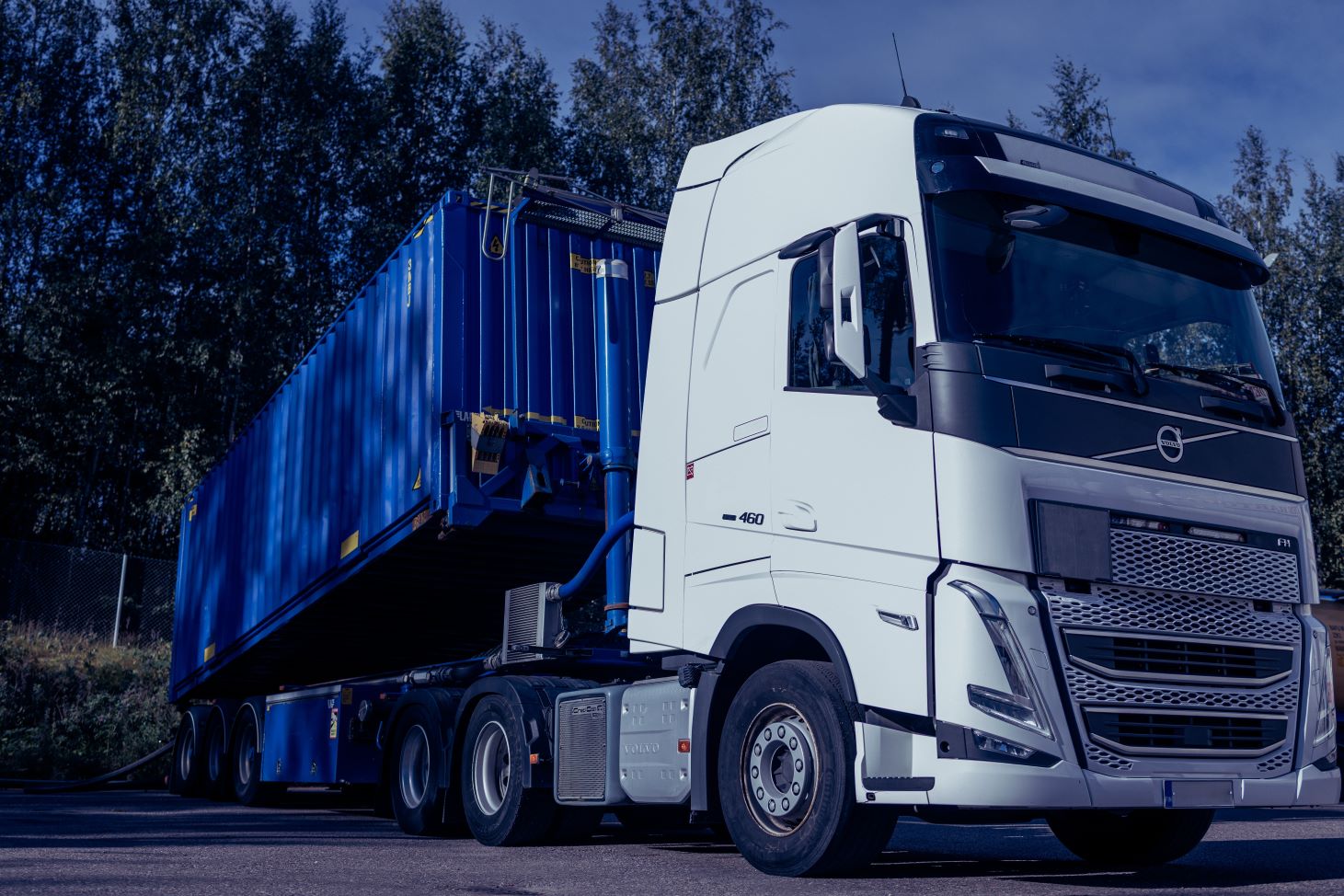
At Transitainer Shipping, we offer tailored dry bulk logistics that include high-quality liner bags for both food-grade and chemical granules. Our services cover door-to-door transport using standard, bulk, and silo containers, flexible inland transport with tipping chassis, and container-to-silo transfers supported by rotary valve systems. We also provide recycling solutions for used liners and technical expertise throughout the process. If you are looking for a partner that understands dry bulk cargo transport services from end to end, we are ready to help. Reach out to our team to find the right liner bag solution for your cargo.