Flexitanks have become one of the most practical solutions for bulk liquid transport, particularly for non-hazardous cargo shipped in standard 20-foot containers. With a capacity of up to 27,000 litres, a single flexitank can carry a significant volume of liquid cargo at a fraction of the cost of more complex alternatives. But one question that comes up regularly in flexitank logistics is how cross-pumping works, and why it matters for your operation.
Whether you are shipping edible oils, industrial liquids, or other non-hazardous bulk fluids, understanding the cross-pumping process helps you plan your logistics more effectively and avoid costly delays. This article walks you through everything you need to know, from the basics of cross-pumping to the equipment involved and the types of cargo it suits best.
What is cross-pumping in flexitank logistics?
Cross-pumping in flexitank logistics is the process of transferring liquid cargo from a flexitank directly into another container, tank, or storage vessel at the destination. Instead of dismantling the flexitank or relying on gravity alone, a pump moves the liquid from the flexitank through a hose or pipe connection into the receiving vessel. This makes unloading faster, more controlled, and suitable for a wider range of liquids.
The term “cross-pumping” refers to the lateral transfer of product, meaning the cargo moves from one vessel to another rather than being discharged downward through a valve by gravity. This approach is particularly useful when the destination vessel is at a similar height to the flexitank, or when the cargo is too viscous to flow freely on its own. Cross-pumping gives you much greater control over the unloading process, reducing the risk of spills, contamination, or product loss.
How does the cross-pumping process work step by step?
The cross-pumping process begins once the container carrying the flexitank arrives at the destination facility. A technician connects a pump to the flexitank’s discharge valve, then runs a hose or pipeline to the receiving tank or storage vessel. The pump is activated, and the liquid cargo is transferred at a controlled flow rate until the flexitank is empty. The process ends with disconnection, cleaning of the fittings, and disposal or recycling of the flexitank.
Here is a more detailed breakdown of the typical steps involved:
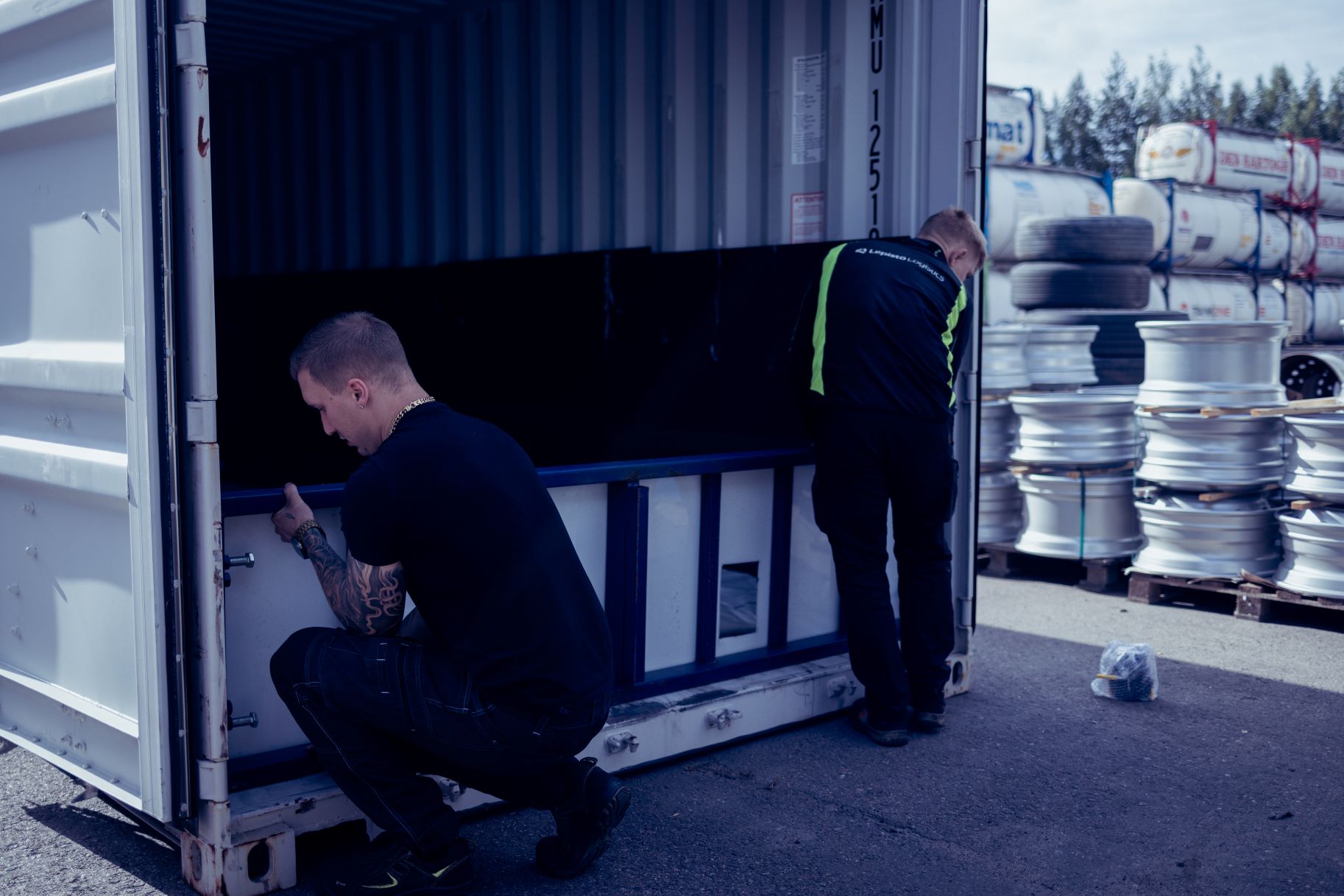
- Arrival and positioning: The container is positioned so that the discharge point is accessible to the pumping equipment and the receiving vessel.
- Connection setup: A pump is connected to the flexitank’s butterfly valve or discharge port using compatible fittings and hoses.
- Pressure check: Before pumping begins, operators verify that all connections are secure and that there are no leaks or pressure issues.
- Pumping: The pump transfers the liquid from the flexitank into the receiving vessel at a controlled rate, monitored throughout the process.
- Final extraction: As the flexitank empties, the operator may gently press or fold the bag to ensure maximum product recovery.
- Disconnection and cleanup: Hoses and fittings are disconnected, and the empty flexitank is prepared for recycling or disposal according to the applicable programme.
The entire process requires coordination between the transport provider and the receiving facility to ensure the right equipment is in place before the container arrives.
What equipment is used during flexitank cross-pumping?
The core equipment used in flexitank cross-pumping includes a compatible pump, discharge hoses, fittings, and connectors that match the flexitank’s valve type. The pump type depends on the viscosity and nature of the cargo. For thinner liquids, a centrifugal pump is often sufficient. For thicker, more viscous products, a positive-displacement pump provides the consistent pressure needed to move the liquid efficiently.
Beyond the pump itself, the following equipment is typically involved:
- Discharge hoses: Food-grade or chemical-resistant hoses, depending on the cargo type.
- Butterfly valves and fittings: These connect the hose to the flexitank’s discharge port and allow flow to be controlled or stopped quickly.
- Flow meters: Used to monitor the volume being transferred and verify that the expected quantity has been delivered.
- Drip trays and containment equipment: Placed beneath connection points to catch any spillage during connection or disconnection.
- Personal protective equipment (PPE): Operators handling chemical or food-grade cargo follow strict hygiene and safety protocols throughout the process.
Having the right equipment on-site before the container arrives is one of the most important factors in a smooth cross-pumping operation. Poor preparation at the receiving end is one of the leading causes of delays and product loss during unloading.
What types of cargo are suitable for cross-pumping from a flexitank?
Cross-pumping from a flexitank is suitable for non-hazardous bulk liquids that can be transferred safely using standard pumping equipment. Common cargo types include edible oils, syrups, fruit juices, wine, industrial lubricants, latex, glycerine, and similar non-dangerous liquids. The cargo must be compatible with the flexitank material and the pump and hose materials used during transfer.
Flexitanks are not approved for hazardous materials, which means cross-pumping in this context applies only to cargo that falls outside dangerous goods classifications. If your cargo is a chemical that requires hazardous goods handling, an ISO tank container is the appropriate solution instead.
Viscosity plays an important role in determining whether cross-pumping is straightforward or requires additional preparation. Low-viscosity liquids, such as water-based products or light oils, pump easily at ambient temperatures. Higher-viscosity products, such as molasses or certain food-grade syrups, may require temperature-controlled storage before pumping to reduce viscosity and allow the product to flow properly through the pump and hoses. This is why temperature-controlled depot facilities can be a valuable part of the bulk liquid logistics chain services for certain cargo types.
What are the most common problems during flexitank cross-pumping?
The most common problems during flexitank cross-pumping include pump cavitation caused by air entering the system, incomplete product recovery due to poor bag positioning, connection leaks from incompatible fittings, and delays caused by insufficient equipment at the receiving facility. Most of these issues are preventable with proper planning and the right technical support.
Here is a closer look at each issue and how to address it:
- Air entrainment and pump cavitation: If air enters the pump before the flexitank is fully connected, the pump can lose prime and stop moving liquid. Proper bleeding of the system before pumping begins prevents this.
- Incomplete product recovery: As the flexitank empties, the bag can fold unevenly, trapping residual product. Operators can minimise this by adjusting the bag manually or tilting the container slightly, if the setup allows.
- Fitting incompatibility: Flexitanks from different manufacturers may use different valve types. Confirming the valve specification in advance ensures the receiving facility has the correct fittings ready.
- Temperature-related viscosity issues: If a high-viscosity cargo has cooled during transit, it may not pump effectively at ambient temperature. Pre-heating or temperature-controlled storage before unloading solves this.
- Delays due to lack of preparation: If the receiving facility does not have a pump or the right hoses available, the container sits idle. Clear communication between all parties in the logistics chain is the most reliable way to avoid this.
When should you choose a flexitank over an ISO tank for bulk liquid transport?
You should choose a flexitank over an ISO tank when you are transporting non-hazardous bulk liquids in volumes of up to 27,000 litres and cost efficiency is a priority. Flexitanks are a single-use solution fitted inside a standard 20-foot container, which means you avoid the return-logistics costs associated with ISO tanks. They work well for food-grade liquids, industrial non-hazardous fluids, and other cargo that does not require the stainless-steel construction of an ISO tank.
The decision between a flexitank and an ISO tank often comes down to three factors: cargo type, volume, and the logistics model that fits your supply chain.
When a flexitank makes more sense
If you are shipping a non-hazardous liquid on a trade lane where you regularly export full containers, a flexitank offers a cost-effective and flexible solution. You use a standard dry container, which is widely available, and the flexitank itself is installed at the depot before loading. There are no return costs for the container because it travels back as a standard empty dry box. For importers and exporters focused on cost-effective flexitank transport solutions, this model can reduce overall freight spend significantly compared to alternatives.
When an ISO tank is the better choice
ISO tanks are the right choice for hazardous chemicals, gases, and cargo that requires stainless-steel contact surfaces or pressure-rated containment. They are reusable, which makes them well suited to regular, high-volume trade lanes where the return logistics of the tank can be built into the overall cost model. If your cargo requires precise temperature control throughout transit or falls under dangerous goods regulations, an ISO tank is the appropriate solution.
Understanding which solution fits your cargo and trade lane is something we at Transitainer Shipping are well positioned to help with. We operate both flexitanks and ISO tank containers, providing door-to-door bulk cargo logistics services across the Nordics, the Baltics, and globally. Our team handles everything from depot fitting and inland transport to unloading support, technical assistance, and recycling programmes, so you do not need to coordinate multiple providers or worry about the operational details yourself.
If you are ready to streamline your bulk liquid logistics, reach out to our team to discuss what works best for your specific cargo and supply chain. We are happy to help you find the most efficient and cost-effective solution, whether that is a flexitank, an ISO tank, or a combination of both.
This content was generated with the help of AI — it may contain mistakes