Getting flexitank shipments right starts well before the cargo is loaded. The paperwork behind a flexitank freight forwarding operation is just as important as the physical handling, and missing a single document can delay your shipment, trigger customs issues, or create liability problems down the line. Whether you are shipping edible oils, wine, non-hazardous chemicals, or other bulk liquids, understanding the documentation you need puts you in control of the process.
This guide walks you through every document that matters for flexitank logistics, from the basics of what a flexitank is to the specific paperwork that customs authorities and shipping lines require. If you are working with a flexitank freight forwarding partner for the first time or looking to tighten up an existing process, this is a practical starting point.
What is a flexitank and how is it used in freight forwarding?
A flexitank is a large, flexible bladder installed inside a standard 20-foot dry container, designed to transport non-hazardous bulk liquids. With a capacity of up to 27,000 litres, it turns a regular shipping container into a cost-efficient bulk liquid carrier, eliminating the need for drums, intermediate bulk containers, or dedicated tank containers for certain cargo types.
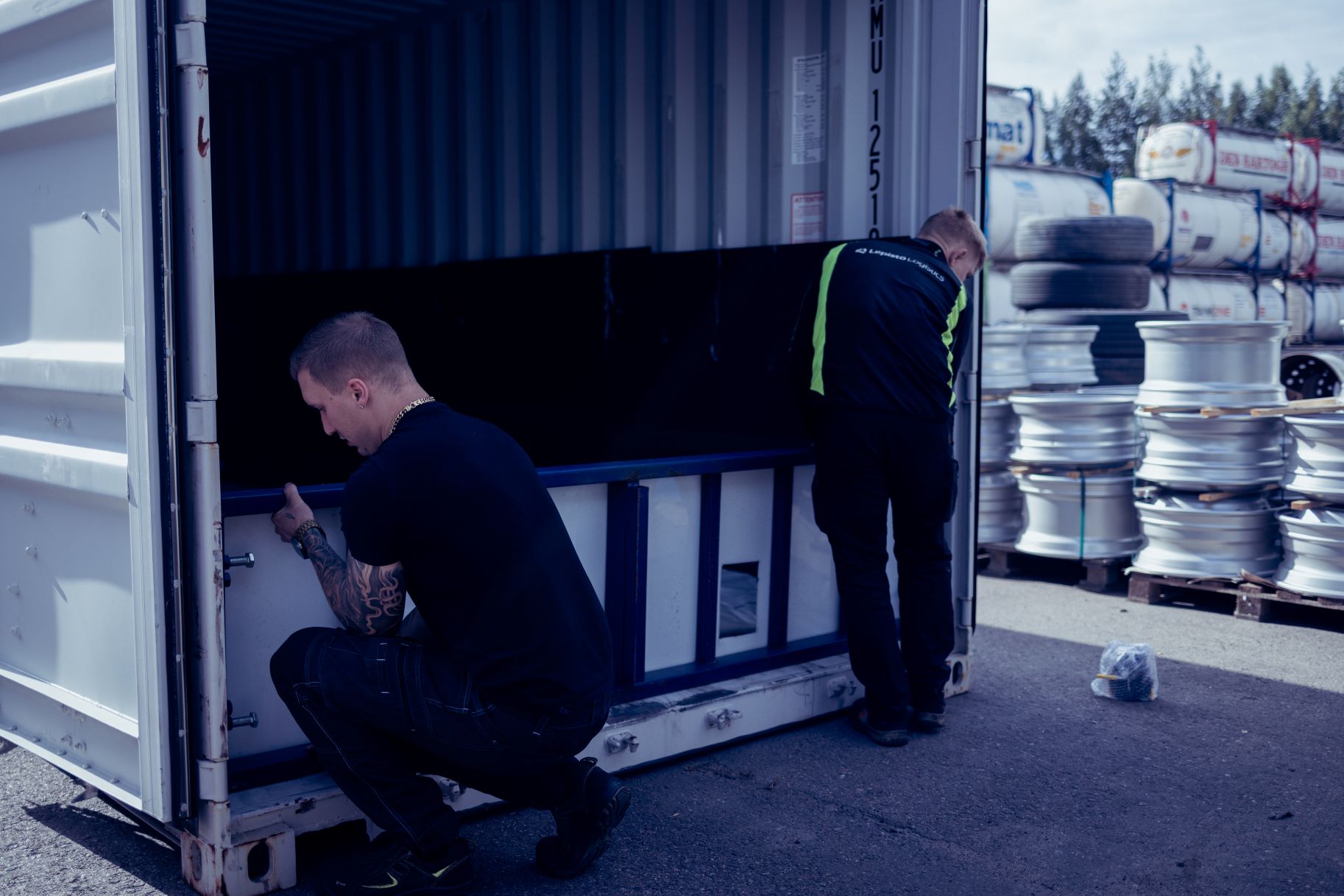
In freight forwarding, flexitanks are used to move commodities such as food-grade oils, beverages, industrial fluids, and non-hazardous chemicals across long distances by sea, road, or intermodal routes. The flexitank is fitted inside the container before loading, filled at the origin, and then drained at the destination. This makes the entire process relatively straightforward compared with other bulk liquid transport methods.
The practical advantage for shippers is flexibility. You can use a standard container from virtually any shipping line, which means access to a much wider range of routes and schedules. Flexitank transport solutions for bulk liquids are particularly well-suited to cargo that does not require the pressure resistance or hazardous-cargo certification of an ISO tank container. Understanding this distinction helps you choose the right solution and, importantly, prepare the right documentation for your specific cargo type.
What documents are required for flexitank freight forwarding?
Flexitank freight forwarding requires a standard set of shipping documents plus cargo-specific paperwork. The core documents include a commercial invoice, packing list, bill of lading, certificate of origin, and a safety data sheet for the liquid cargo. Depending on the destination country and the nature of the product, you may also need phytosanitary certificates, food safety certificates, or specific import permits.
Core shipping documents
The commercial invoice and packing list are the foundation of any international shipment. For flexitank cargo, the packing list should clearly describe the liquid contents, the flexitank capacity used, and the gross weight of the loaded container. Accuracy matters here because customs authorities use these documents to assess duties and verify cargo declarations.
A certificate of origin is required by most importing countries to determine applicable tariff rates and trade agreement eligibility. For food-grade liquids in particular, buyers often require this document as part of their quality and compliance checks, so it is worth arranging it early in the process.
Cargo-specific certificates
Depending on what you are shipping, additional certificates may be required. Food-grade liquids typically require a certificate of analysis or a food safety certificate confirming that the product meets the importing country’s standards. Some buyers and shipping lines also request a flexitank installation certificate confirming that the bladder was fitted correctly and met the relevant quality standards before loading.
Why is a safety data sheet important for flexitank shipments?
A safety data sheet, commonly known as an SDS, provides detailed information about the chemical properties, handling requirements, and potential hazards of a liquid cargo. For flexitank shipments, the SDS is important because it helps shipping lines, port operators, and customs authorities assess whether the cargo is suitable for flexitank transport and how it should be handled safely throughout the journey.
Flexitanks are approved for non-hazardous cargo only. The SDS is the primary document that confirms this classification. If the SDS indicates that a product has flammable, toxic, or reactive properties that place it in a hazardous category, the shipping line will not accept it for flexitank transport. This makes the SDS a gatekeeping document, not just a formality.
Beyond compliance, the SDS also informs the people physically handling your cargo. Loading crews, drivers, and terminal operators refer to it when they need to know how to respond to a spill, what personal protective equipment is required, and what temperature or storage conditions the liquid needs during transit. Providing an accurate, up-to-date SDS protects everyone involved in moving your shipment.
What customs documents are needed when shipping flexitanks internationally?
International flexitank shipments require customs documentation that varies by origin and destination country, but typically includes an export customs declaration, an import customs declaration, a commercial invoice, a certificate of origin, and any product-specific permits required by the importing country. For shipments into or out of the European Union, an Entry Summary Declaration or an Exit Summary Declaration may also be required.
Getting customs documentation right for flexitank cargo means paying close attention to the Harmonized System code, or HS code, assigned to your liquid product. The HS code determines the duty rate applied at the destination and triggers any specific import controls for that commodity. An incorrect HS code is one of the most common causes of customs delays for bulk liquid shipments.
For food and beverage products, importing countries often require additional documentation such as health certificates, certificates of conformity, or prior import authorizations. These requirements can vary significantly between markets, so it is worth verifying the specific requirements for your destination country well in advance of shipment. Working with a freight forwarding partner that handles import and export customs clearance can save considerable time and reduce the risk of documentation errors.
How does the bill of lading differ for flexitank cargo?
The bill of lading for flexitank cargo follows the same legal structure as any standard ocean bill of lading, but it must accurately describe the cargo as a bulk liquid transported in a flexitank inside a 20-foot dry container. The container type, the liquid commodity, the gross weight, and the flexitank capacity should all be clearly stated. Misrepresenting the cargo type or container configuration can create serious liability issues if a claim arises.
One practical difference with flexitank shipments is the way the cargo quantity is recorded. Unlike palletized or drummed goods, where units are easy to count, bulk liquid volumes are measured by weight or litres. The bill of lading should reflect the agreed measurement method, and it should match the figures on the commercial invoice and packing list to avoid discrepancies at customs.
Shipping lines that accept flexitank cargo often have their own specific clausing requirements for the bill of lading. Some require a notation confirming that the flexitank has been installed and inspected according to their approved standards. Others may add clauses limiting their liability for flexitank-related incidents. Reviewing these requirements with your freight forwarder before booking the shipment helps you avoid surprises when the bill of lading is issued.
What mistakes should shippers avoid with flexitank documentation?
The most common documentation mistakes in flexitank freight forwarding include inaccurate cargo descriptions, missing or outdated safety data sheets, incorrect HS codes, and failing to confirm the shipping line’s specific documentation requirements before booking. Each of these errors can cause delays, additional costs, or, in some cases, refusal to load the shipment.
Inaccurate cargo descriptions
Describing your cargo vaguely or incorrectly on shipping documents is a risk that affects every stage of the journey. Customs authorities, port operators, and receiving parties all rely on the information you provide. For bulk liquids, this means specifying the exact product name, its intended use, and its physical properties. A description such as “liquid product” is not sufficient and will likely trigger a customs query.
Outdated or missing safety data sheets
Safety data sheets have validity considerations and are updated when product formulations or regulatory classifications change. Submitting an outdated SDS can lead to the shipping line questioning whether the cargo is still approved for flexitank transport. Always use the most current version of the SDS and confirm that it matches the specific product batch you are shipping.
Not confirming shipping line requirements in advance
Different shipping lines have different rules for accepting flexitank cargo. Some require pre-approval of the flexitank brand or model, others require specific installation certificates, and some have restrictions on certain commodity types. Checking these requirements before you book avoids last-minute problems that can delay your entire supply chain.
At Transitainer Shipping, we handle flexitank logistics end to end, from fitting and loading support to documentation and customs clearance. Our team understands the specific requirements of flexitank freight forwarding and works with you to make sure every document is accurate and in place before your cargo moves. If you want reliable flexitank transport services backed by practical expertise, reach out to our team and we will be happy to help.