Dry bulk cargo moves across some of the harshest environments on the planet, from frozen Nordic ports to rain-soaked container yards. Whether you are shipping chemical granules, food-grade powders, or agricultural commodities, the weather does not pause for your supply chain. Understanding how extreme conditions affect dry bulk transport solutions helps you make better decisions and avoid costly damage before it happens.
This guide walks you through the most common weather-related challenges in dry bulk shipping and gives you practical answers on how to protect your cargo, your schedule, and your bottom line.
What is dry bulk cargo, and why is it vulnerable to weather?
Dry bulk cargo refers to loose, unpackaged solid materials transported in large volumes, including granules, powders, pellets, and other dry commodities. These materials are vulnerable to weather because they can absorb moisture, freeze into solid masses, shift in high winds, and degrade when exposed to temperature extremes. Unlike packaged goods, dry bulk has no outer layer of protection between the product and the environment.
The vulnerability depends heavily on the material itself. Food-grade granules and chemical powders can clump or react when they absorb humidity. Agricultural commodities can spoil or lose quality if exposed to rain or condensation. Even small amounts of moisture ingress during loading, transit, or unloading can compromise an entire shipment. This is why dry bulk logistics providers invest heavily in containment, liner systems, and careful handling procedures.
The challenge is compounded by the fact that dry bulk shipments often travel across multiple climate zones. A container loaded in a warm, humid port may arrive at a cold Nordic terminal, where condensation forms inside the container as temperatures drop. Managing these transitions is a core part of what dry bulk container logistics involves in practice.
What weather conditions are most dangerous for dry bulk shipments?
The most dangerous weather conditions for dry bulk shipments are freezing temperatures, high humidity and rain, and strong winds during open-air handling. Each creates a distinct risk: freezing causes cargo to solidify and stick to container walls, moisture causes clumping and spoilage, and wind causes spillage and contamination during transfer operations.
Humidity is arguably the most persistent threat across dry bulk transport services. Even in mild temperatures, high ambient moisture levels can cause hygroscopic materials to absorb water from the air, changing their flow characteristics and making them difficult to unload. This is particularly relevant for chemical granules and food-grade powders that have strict moisture-content specifications.
Rain during loading and unloading operations is a direct risk that many dry bulk shipping companies manage through covered terminals and weather-monitored scheduling. However, not every facility in an intermodal chain offers the same level of protection. Gaps in coverage at intermediate handling points are where weather damage most often occurs.
Extreme heat is less commonly discussed but still relevant. High temperatures can cause certain materials to cake or partially melt, especially when containers sit in direct sunlight in open yards for extended periods. Dry bulk freight services operating in southern climates or during summer months need to account for this in their handling and storage planning.
How do freezing temperatures affect dry bulk cargo handling?
Freezing temperatures cause dry bulk cargo to solidify, clump, and adhere to container walls and liner bags, making unloading significantly more difficult and sometimes damaging the cargo itself. Materials that contain any residual moisture are especially at risk, as that moisture freezes and binds particles together into a solid mass that resists gravity-fed or pneumatic discharge.
Impact on container and liner bag systems
When cargo freezes inside a liner bag or bulk container, the standard unloading process breaks down. Tipping-chassis operations that rely on gravity to discharge cargo may fail entirely if the material has frozen solid. This can cause delays at the receiving facility, additional labor costs, and, in the worst cases, damage to the liner bag or container itself during forced extraction attempts.
Liner bags used in dry bulk container services are designed to protect cargo from contamination and facilitate clean discharge, but they are not insulated. In freezing conditions, the bag offers no thermal protection for the cargo inside. This means that both transit time and temperature exposure during the journey matter when planning dry bulk transport in winter months.
Operational challenges at Nordic terminals
In Finland and across the Nordic and Baltic regions, freezing temperatures are a routine part of the logistics calendar. Terminal operations slow down, equipment becomes less reliable, and handling times increase. Dry bulk transport companies operating in these regions need to plan for longer dwell times, pre-warming procedures where applicable, and contingency options if discharge cannot proceed as planned.
Container-to-silo transfers, which involve pneumatic or rotary-valve discharge systems, are particularly sensitive to frozen cargo. If the material does not flow freely, the entire transfer process stalls. Experienced dry bulk logistics providers in the Nordics factor this into their seasonal planning and communicate proactively with clients about realistic timelines during cold-weather periods.
What protective measures prevent weather damage to dry bulk cargo?
The most effective protective measures for dry bulk cargo in extreme weather include using high-quality liner bags inside containers, scheduling loading and unloading during favorable weather windows, using covered or enclosed terminal facilities, and selecting the right container type for the cargo and route. Combining these measures gives you layered protection throughout the transport chain.
Liner bags and container selection
High-quality liner bags are one of the most important tools in dry bulk container logistics. They create a sealed environment inside the container that limits moisture ingress and prevents contamination. For food-grade and chemical granules, food-grade liner bags add an additional layer of compliance and hygiene. Selecting the right liner specification for your cargo type and the expected weather conditions on the route is a decision worth making carefully.
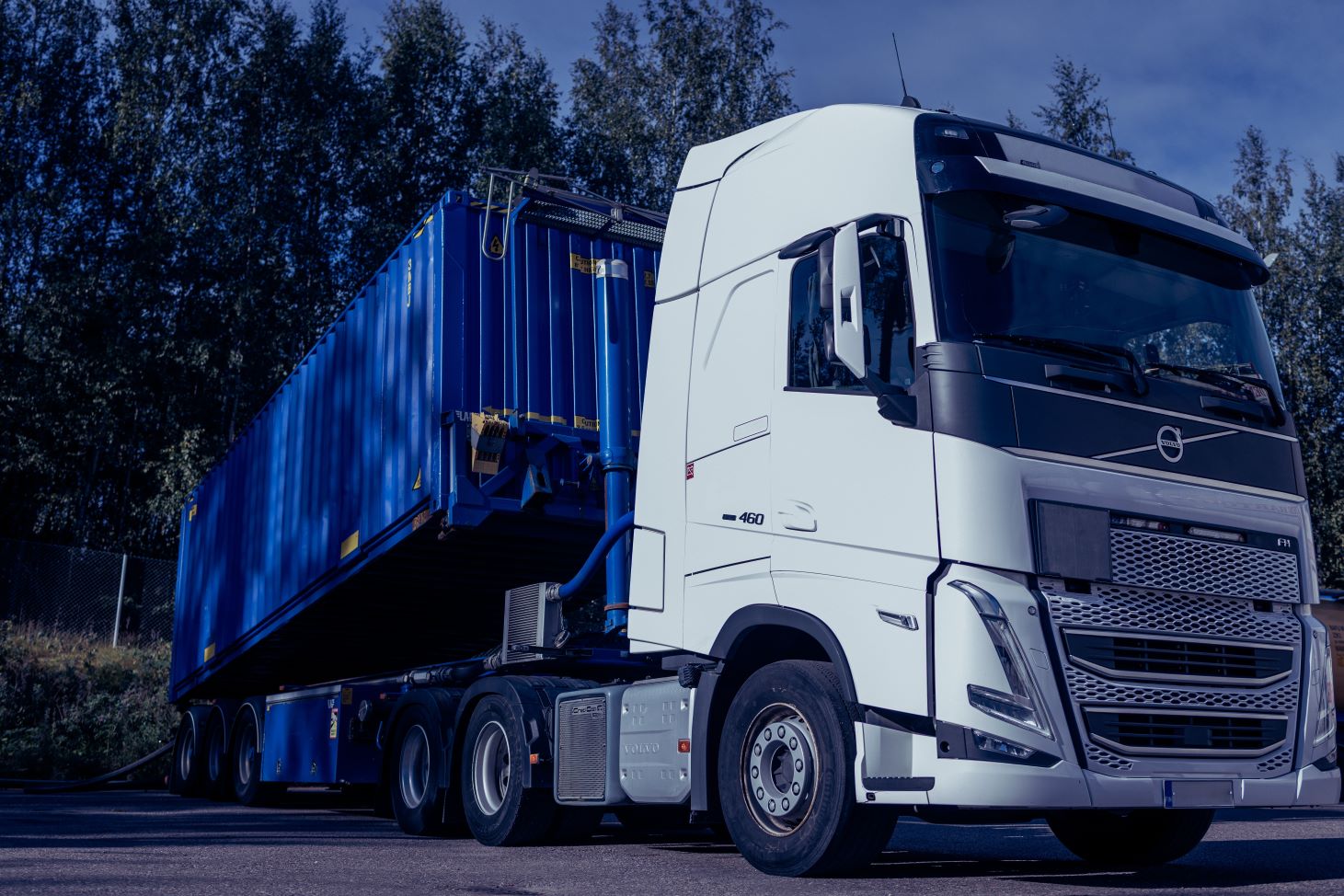
Container selection also matters. Standard dry containers, bulk containers, and silo containers each offer different levels of protection and different discharge mechanisms. Silo containers with rotary-valve systems are better suited for fine powders that need controlled discharge, while tipping-chassis solutions work well for granular materials in more straightforward operations. Matching the container type to the cargo and the weather risk on the route reduces the chance of problems at either end.
Scheduling and handling practices
Timing loading and unloading operations to avoid rain, high humidity, or extreme cold is a practical step that experienced dry bulk freight-forwarding teams use routinely. Weather-monitoring tools and close communication between logistics coordinators and terminal operators allow for adjustments before cargo is exposed unnecessarily.
Covered loading and unloading facilities eliminate a significant portion of weather-related risk. When your dry bulk shipping services provider has access to enclosed terminals at key points in the chain, you reduce the number of moments when cargo is exposed to the elements. This is especially relevant at port terminals and inland depots where containers wait for onward transport.
How does intermodal transport affect dry bulk cargo in bad weather?
Intermodal transport increases the number of handling touchpoints in a dry bulk shipment, and each touchpoint is a potential exposure point during bad weather. The more times a container is lifted, moved, or opened during transit, the more opportunities there are for moisture, cold, or contamination to affect the cargo. Managing this risk requires coordination across every leg of the journey.
The advantage of intermodal dry bulk container shipping is that the cargo stays inside the same container from origin to destination, which limits direct exposure compared to break-bulk methods. The container itself acts as a protective shell through sea, road, and rail legs. However, this protection is only as good as the container’s integrity and the quality of the liner bag system used inside it.
Weather conditions vary significantly across an intermodal route. A shipment moving from a warm Mediterranean port through Central Europe to a Finnish terminal in January will pass through multiple climate zones. Temperature differentials cause condensation inside containers, which is one of the leading causes of moisture damage in dry bulk transport logistics. Desiccants placed inside containers during packing help absorb this condensation and protect the cargo over long multimodal journeys.
Delays caused by bad weather at any point in the intermodal chain can extend the time cargo spends in transit, increasing cumulative exposure. Dry bulk transport providers with strong partner networks can reroute or adjust schedules when weather disrupts one leg, keeping the overall journey on track without leaving cargo stranded in an exposed location.
When should you use specialized logistics partners for extreme-weather bulk transport?
You should use specialized dry bulk logistics providers when your cargo is sensitive to moisture or temperature, when the route passes through extreme-weather regions, when the shipment involves container-to-silo transfers or other technically demanding discharge methods, or when standard freight-forwarding partners lack the equipment and experience to handle bulk cargo safely in challenging conditions.
General freight forwarders can move containers, but dry bulk transport services require specific knowledge of liner bag systems, discharge equipment, terminal capabilities, and cargo behavior under different weather conditions. When something goes wrong with a frozen or moisture-damaged bulk shipment, the recovery process is complex and expensive. The cost of using a specialist is almost always lower than the cost of a failed shipment.
For companies shipping in the Nordic and Baltic regions specifically, local expertise matters enormously. A logistics partner who understands Finnish winter operations, knows which terminals have covered facilities, and has established relationships with regional carriers will consistently outperform a generalist provider who is learning the route as they go. Dry bulk container rental, handling, and documentation all benefit from local knowledge that only comes with experience in the region.
If your supply chain involves regular dry bulk shipments through extreme-weather environments, building a long-term relationship with a specialized provider is more valuable than sourcing the cheapest option for each individual shipment. Consistency in equipment quality, handling procedures, and communication reduces weather-related risk over time far more effectively than any single protective measure.
At Transitainer Shipping, we offer tailored dry bulk logistics solutions designed for exactly these kinds of challenges. Our services cover door-to-door transport using high-quality liner bags for food-grade and chemical granules, flexible inland transport with tipping chassis, container-to-silo transfers via rotary-valve systems, and a trusted partner network across the Nordics and Baltics. If you are ready to work with a dry bulk transport partner who understands the realities of operating in demanding weather conditions, reach out to our team today and let us build a solution that works reliably, season after season.