Flexitank logistics has become one of the most practical and cost-effective ways to transport large volumes of non-hazardous bulk liquids across international markets. Whether you are moving food-grade oils, industrial chemicals, or beverage ingredients, understanding how flexitank shipping works—and what to expect from flexitank providers—can save you both time and money across your supply chain.
This article answers the most common questions buyers and logistics managers ask before choosing a flexitank solution, from how the technology works to what separates a reliable flexitank transport company from the rest.
What is a flexitank and how does it work?
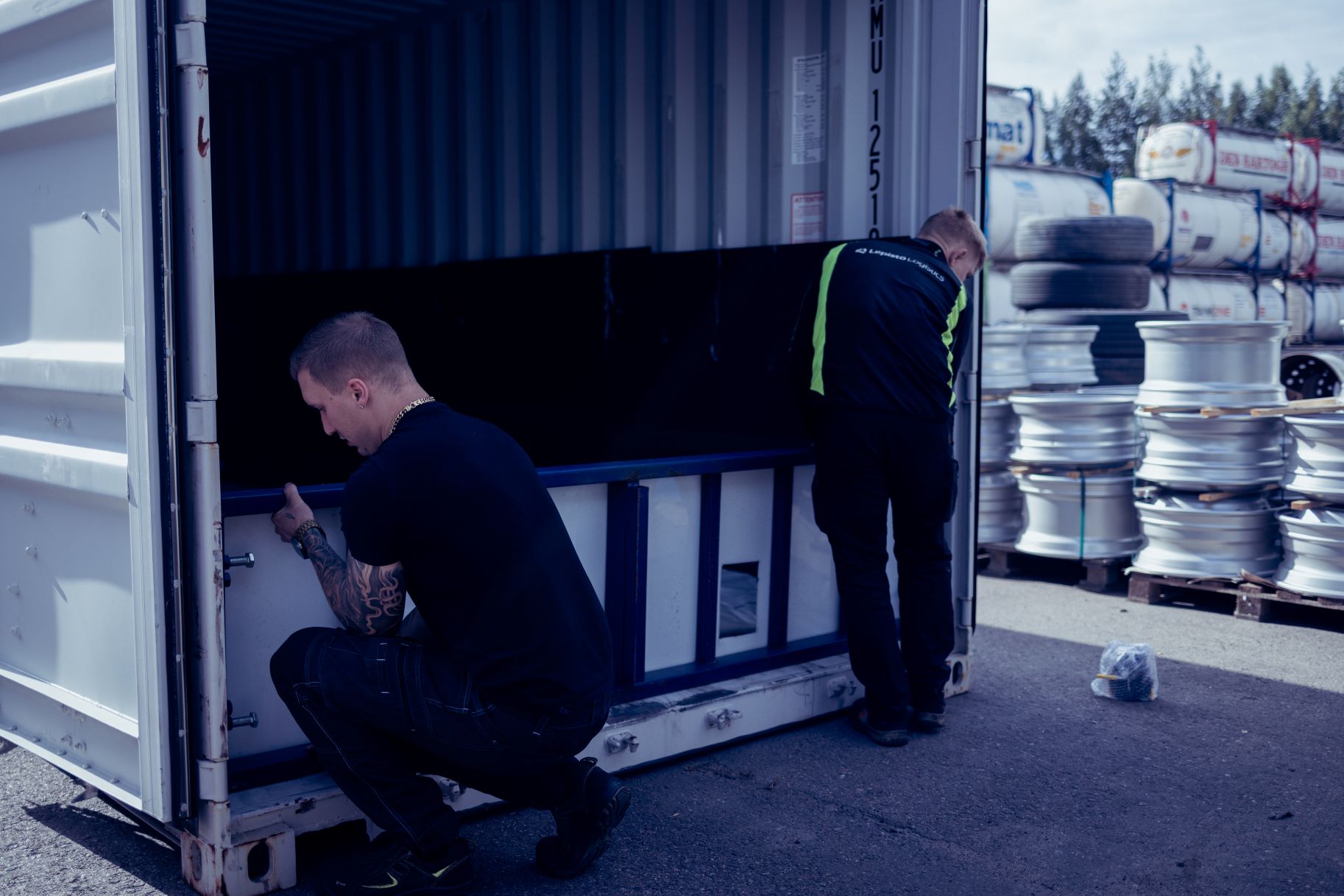
A flexitank is a large, flexible bladder made from food-grade or industrial-grade polyethylene that fits inside a standard 20-foot dry freight container. It can hold up to 27,000 litres of bulk liquid cargo, converting an ordinary shipping container into a single-use or multi-use liquid transport unit. The bladder is fitted inside the container at a depot, filled at the point of origin, and emptied at the destination.
The concept is straightforward. Instead of using rigid tank infrastructure, the flexitank conforms to the interior of the container, maximising usable volume while keeping the overall footprint identical to that of a standard intermodal unit. This means flexitank shipments can move through the same sea, road, and rail networks as any other containerised freight, without requiring specialised equipment at every point in the chain.
Loading and unloading typically happen through a valve fitted to the container door. Gravity discharge and pump-assisted unloading are both common methods, depending on the cargo and the destination setup. Because the flexitank is a single-use liner in most cases, no cleaning cycle is required between shipments, which significantly reduces turnaround time.
Are flexitank container services available worldwide?
Yes, flexitank container services are available worldwide. Because flexitanks use standard 20-foot dry containers, they can move through virtually any global shipping lane and intermodal network. Flexitank shipping solutions are supported by major shipping lines operating deep-sea and short-sea routes, making them accessible for both high-volume trade lanes and more regional distribution needs.
The global availability of flexitank transport services does come with one important nuance: not every logistics provider offers the same level of support in every market. Fitting quality, depot access, and technical assistance vary by region. When you work with a flexitank logistics provider that has an established depot network and partnerships with reliable shipping lines, you gain consistent service regardless of where your cargo originates or where it needs to go.
For companies importing or exporting through the Nordics and Baltics specifically, local expertise matters. Access to fitting facilities, temperature-controlled storage, and cross-pumping support in your home market directly affects how smoothly your shipment moves from origin to destination. Flexitank freight forwarding combining local and global expertise gives you the best of both worlds.
What types of cargo can be transported in a flexitank?
Flexitanks are designed for non-hazardous bulk liquids. Common cargo types include food-grade liquids such as edible oils, syrups, fruit juices, wine, and liquid sweeteners, as well as industrial liquids such as non-hazardous chemicals, lubricants, glycols, and latex. If your cargo is a pumpable, non-dangerous liquid, a flexitank is likely a viable option worth evaluating.
The food-grade category is particularly well suited to flexitank transport because the liner material can be manufactured to meet hygiene standards, and the single-use nature of most flexitank liners eliminates the risk of cross-contamination between shipments. This makes flexitank shipping solutions popular with food and beverage manufacturers that need to move large volumes of ingredients reliably and cost-effectively.
There are clear boundaries to what flexitanks can carry. Hazardous materials classified under international dangerous goods regulations are not permitted in flexitanks. For those cargo types, ISO tank containers are the correct solution. Knowing which category your cargo falls into is the starting point for any flexitank or tank container decision.
How does flexitank shipping compare to ISO tank containers?
The most important difference between flexitank shipping and ISO tank containers is not technical; it is operational. Flexitanks are a cost-efficient, flexible option for non-hazardous bulk liquids moving in standard container volumes, while ISO tanks are purpose-built, reusable stainless steel units designed for hazardous, high-purity, or temperature-sensitive cargo that demands a higher level of containment and control.
When flexitanks make sense
Flexitank logistics works well when you are shipping non-hazardous liquids in volumes that fit a 20-foot container, you want to avoid the cost of dedicated tank equipment, and your supply chain can accommodate a liner-based solution. Because you are using a standard dry container, freight rates are often more competitive, and you are not dependent on the availability of specialised tank equipment at your origin or destination.
Flexitank container rental or single-use liner costs are also generally lower than ISO tank positioning fees, particularly on trade lanes where tank availability is limited. For high-frequency, high-volume non-hazardous liquid shipments, this cost structure adds up to meaningful savings over time.
When ISO tanks are the right choice
ISO tank containers are the correct choice when your cargo is hazardous, requires strict temperature control throughout transit, or demands the kind of containment integrity that only a stainless steel pressure vessel can provide. ISO tanks are also reusable, which suits operators that run regular, high-volume routes and want to manage their own equipment cycle.
We operate tank containers globally, which means you do not need to manage equipment availability, scheduled routes, or positioning logistics yourself. That full-service model, in which we handle the operational complexity end to end, is a meaningful advantage for businesses that want reliable bulk liquid transport without building internal tank logistics capability.
What should you look for in a flexitank logistics provider?
A strong flexitank logistics provider offers more than just a liner and a container. Look for a company with a nationwide or regional depot network for reliable fitting, partnerships with established shipping lines, and the technical capability to support loading, unloading, and cross-pumping operations. End-to-end service, from inland transport to documentation and recycling, is a sign of a provider that understands the full supply chain.
Technical assistance matters more than many buyers initially expect. Flexitank fitting quality directly affects cargo safety during transit. A provider with trained personnel, quality-controlled fitting procedures, and access to temperature-controlled storage gives you a much higher baseline of reliability than one that simply supplies the liner and leaves the rest to you.
Recycling and sustainability programmes are also worth asking about. Responsible flexitank suppliers offer liner recycling as part of their service, which reduces waste and helps you meet your own environmental commitments. This is increasingly relevant for quality-focused companies that hold their logistics partners to the same standards they apply internally.
At Transitainer Shipping, we provide flexitank logistics services in Finland with a nationwide depot network, door-to-door delivery, loading and unloading support, temperature-controlled storage, cross-pumping capability, and a recycling programme. We work with reliable shipping line partners to connect your cargo to global markets, and our team brings the technical expertise to handle your shipment from first fitting to final delivery. If you are evaluating flexitank shipping solutions for your business, reach out to our team and we will walk you through the options that fit your cargo and your supply chain.