Flexitank transport has quietly become one of the more sustainable choices in bulk liquid logistics, and more businesses are taking notice. If you’re shipping non-hazardous bulk liquids and want to understand how your choice of packaging affects your environmental footprint, this article breaks it down question by question.
From how flexitanks actually work to what happens to them after use, we cover the environmental angle honestly, without overstating the benefits or ignoring the trade-offs. Whether you’re evaluating cost-effective flexitank transport solutions or comparing options for your supply chain, here’s what you need to know.
What is a flexitank and how does it work for bulk liquids?
A flexitank is a large, flexible bladder made from food-grade or industrial-grade polyethylene film, designed to fit inside a standard 20-foot shipping container. It can hold up to 27,000 litres of bulk liquid, turning a dry container into a liquid cargo carrier without any permanent modification to the container itself.
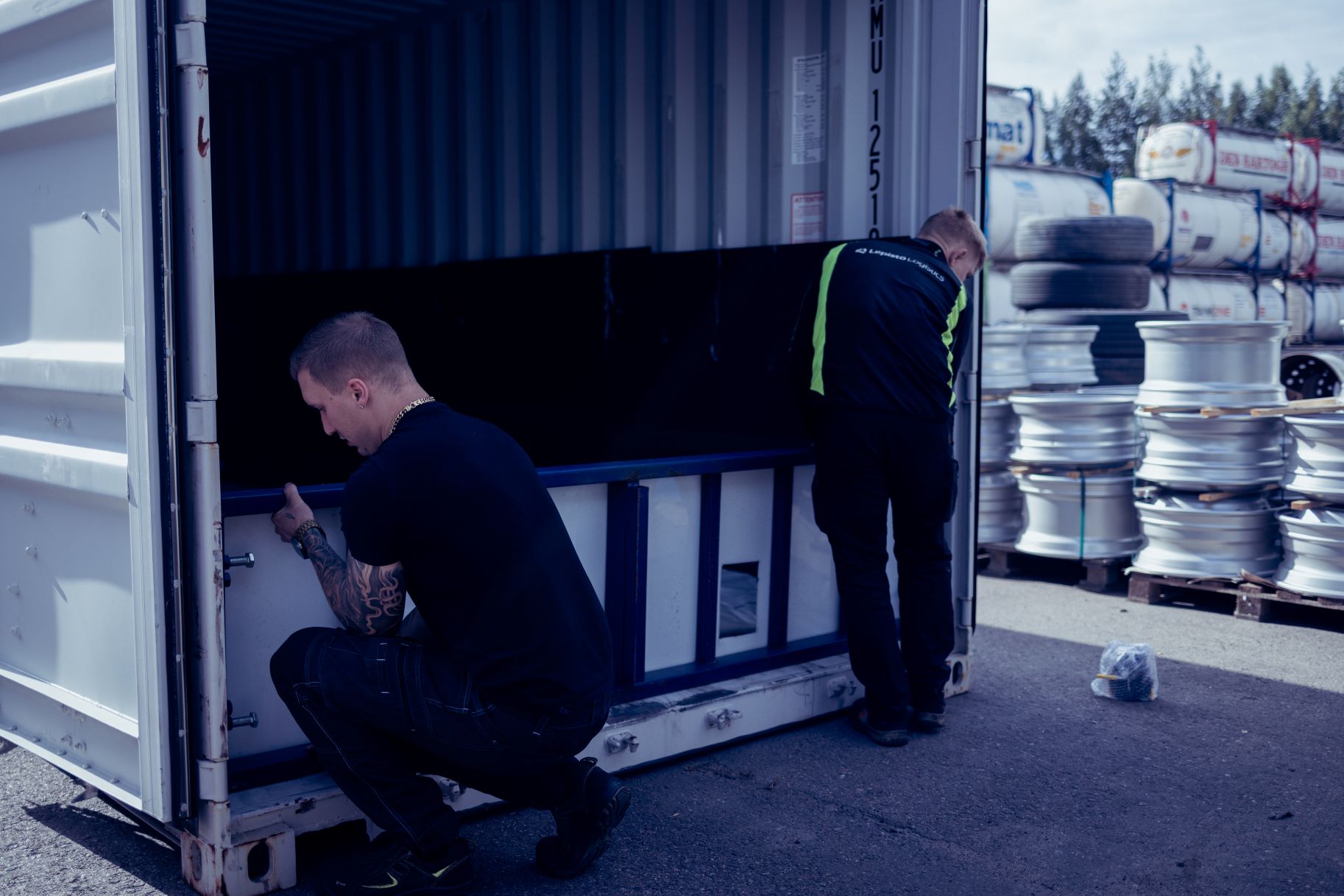
The flexitank is installed inside the container before loading, then filled through a valve fitted at the container doors. Once the liquid cargo is loaded, the container is sealed and transported like any standard dry container, by road, rail, or sea. At the destination, the liquid is pumped out through the same valve system. The process is straightforward, which is part of what makes flexitanks attractive for businesses shipping non-hazardous liquids in volume.
Because flexitanks use the existing global container network, they slot into established intermodal transport routes without requiring specialized equipment at every step. This compatibility with standard containers is one of the practical reasons they work well for door-to-door bulk cargo logistics services, particularly for businesses that need flexibility without investing in dedicated tank infrastructure.
Why is flexitank transport considered more sustainable than alternatives?
Flexitank transport is considered more sustainable primarily because it maximizes cargo volume per shipment, reduces the number of containers needed, and eliminates the need to return empty rigid containers. Compared to drums and intermediate bulk containers (IBCs), flexitanks carry significantly more liquid in a single unit, which directly reduces the total number of transport movements required.
Fewer movements mean fewer fuel-burning journeys. When you ship 27,000 litres in a single flexitank container versus the same volume spread across hundreds of drums, the difference in transport efficiency is substantial. Fewer trips, fewer vehicles, and fewer port handlings all contribute to a lower overall environmental load per litre of cargo delivered.
There is also the weight factor. Flexitanks are lightweight compared to rigid alternatives, which means the total weight of packaging relative to cargo is much lower. This improves the payload efficiency of each journey, which is a meaningful sustainability metric in logistics. Less packaging weight transported per litre of product is a straightforward measure of resource efficiency.
How does flexitank shipping reduce carbon emissions in logistics?
Flexitank shipping reduces carbon emissions primarily by consolidating large volumes of liquid cargo into fewer transport units, which cuts the total number of vehicle movements across a supply chain. Fewer trucks, fewer vessel slots, and fewer port operations per litre of cargo all translate directly into lower fuel consumption and reduced emissions.
The logic is simple: if you can move 27,000 litres in one container instead of needing multiple smaller units or return trips for empties, you are burning less fuel for the same commercial outcome. In logistics, the carbon cost of a shipment is closely tied to the number of movements it requires, so consolidation is one of the most direct levers available.
There is also an emissions benefit tied to the return leg. Rigid containers like drums and IBCs often need to be transported back to their origin for cleaning, refilling, or disposal. Flexitanks are single-use, which eliminates the return journey entirely. While single-use packaging has its own considerations, removing the return transport leg is a genuine emissions reduction in the overall lifecycle of the shipment.
What happens to flexitanks after use — are they recyclable?
After use, flexitanks are typically deflated, folded, and removed from the container at the destination. Whether they are recyclable depends on the material and the infrastructure available locally, but polyethylene flexitanks are technically recyclable as a plastic material, and some logistics providers offer structured recycling programs to handle them responsibly.
We offer recycling programs as part of our flexitank services, which means the end-of-life handling of the flexitank is built into the service rather than left to the customer to figure out. This matters because improper disposal of large plastic bladders is an environmental concern, and having a clear recycling pathway addresses that directly.
It is worth being honest here: recycling rates and local infrastructure vary by region, and not every used flexitank will end up being recycled. The environmental benefit of recycling programs depends on how consistently they are applied and what downstream processes handle the material. That said, a logistics provider with an active recycling program is meaningfully better than one without, because it at least creates the conditions for responsible disposal at scale.
How do flexitanks compare to drums and IBCs in environmental impact?
Flexitanks generally have a lower environmental impact per litre of cargo transported compared to drums and IBCs, primarily because they carry far greater volumes in a single unit, require no return journey, and generate less packaging weight relative to the cargo they carry. The comparison shifts depending on reuse rates for IBCs, but for single-use scenarios, flexitanks are typically the more efficient option.
Drums
Drums are typically made from steel or high-density polyethylene and carry between 200 and 220 litres each. To move the same volume as one flexitank, you would need well over 100 drums. Each drum requires manufacturing, transport, cleaning, and either reuse or disposal. The cumulative environmental cost of producing, moving, and managing that many individual units adds up quickly, both in emissions and in material use.
IBCs
Intermediate bulk containers are more efficient than drums, typically holding around 1,000 litres, and many are designed for multiple reuse cycles. When IBCs are genuinely reused many times over, their lifecycle environmental performance can be competitive. However, they still require return transport, cleaning, inspection, and maintenance between uses, all of which carry environmental costs. For cargo types or trade lanes where return logistics are impractical, the reuse advantage diminishes significantly.
For businesses evaluating packaging options for bulk liquids, the right comparison is not just the unit itself but the full transport cycle, including return journeys, cleaning processes, and disposal. In most single-trip scenarios, flexitanks come out ahead on total environmental impact per litre delivered.
What types of cargo are best suited for sustainable flexitank transport?
Flexitank transport is best suited for non-hazardous bulk liquids that can be loaded and unloaded by pumping, do not require temperature extremes during transit, and are shipped in volumes that benefit from full container consolidation. Common examples include food-grade liquids, industrial fluids, and agricultural products that meet these criteria.
The sustainability benefits of flexitanks are most pronounced when the cargo volume justifies a full container load. Shipping a partial volume in a flexitank reduces the efficiency advantage, so flexitanks work best when you have enough liquid to fill or nearly fill the bladder. At up to 27,000 litres per unit, this typically suits businesses shipping in commercial quantities rather than small sample or trial volumes.
It is also important that the cargo is non-hazardous. Flexitanks are not approved for dangerous goods classification, which means chemicals or substances that require specialized containment must use ISO tank containers instead. For those cargo types, tank container transport offers the appropriate safety standards and regulatory compliance that flexitanks cannot provide.
If you are shipping food-grade liquids, non-hazardous industrial fluids, or agricultural commodities in bulk, flexitanks are worth serious consideration both for their cost efficiency and their reduced environmental footprint compared to smaller packaging formats.
At Transitainer Shipping, we provide flexitank logistics across Finland and beyond, including door-to-door delivery, loading and unloading support, and recycling programs for used flexitanks. We also operate ISO tank containers globally for cargo that requires more specialized handling, so whether your bulk liquid is non-hazardous or requires certified containment, we can help you find the right solution for your supply chain. If you are ready to explore the most efficient and sustainable transport option for your cargo, get in touch with our team and we will help you find the right fit.
This content was generated with the help of AI — it may contain mistakes