Dry bulk transport involves moving loose, unpacked commodities such as granules, powders, and other solid materials across complex supply chains. When something goes wrong during transit, the consequences can quickly ripple through your operations, affecting production schedules, customer commitments, and costs. Understanding how to handle emergencies in dry bulk shipping is not just useful for logistics teams; it is important for any business that depends on a steady, reliable flow of bulk materials.
Whether you are working with dry bulk freight services for the first time or managing an established supply chain, knowing what to expect from your dry bulk transport providers in a crisis gives you a real operational advantage. This article walks through the most common emergency scenarios, how logistics providers respond, and what you can do to protect your cargo and your business.
What counts as an emergency in dry bulk transport?
An emergency in dry bulk transport is any unplanned event that disrupts the safe, timely, or compliant delivery of bulk cargo. This includes physical damage to cargo or containers, contamination of the product, significant delays caused by equipment failure or route disruptions, regulatory or customs issues that stop a shipment, and situations in which cargo integrity is compromised during loading, transit, or unloading.
Not every delay or minor issue qualifies as an emergency, but the threshold is lower than many shippers expect. Dry bulk commodities are often sensitive to moisture, temperature, and contamination. A small breach in liner bag integrity, for example, can render an entire shipment unusable. Similarly, a container arriving at a port with incorrect documentation can trigger customs holds that cascade into costly production stoppages at your facility. The defining characteristic of an emergency is that it demands immediate, coordinated action rather than routine problem-solving.
What are the most common risks in dry bulk cargo shipments?
The most common risks in dry bulk cargo shipments include moisture ingress and contamination, cargo shifting during transit, liner bag failure, equipment breakdowns, documentation errors, and port or border delays. Each of these can compromise either the physical condition of your cargo or its ability to move through the supply chain on schedule.
Cargo condition risks
Moisture is one of the most persistent threats to dry bulk commodities. Granules and powders can clump, degrade, or become unusable when exposed to humidity during loading, transit, or unloading. Liner bags used inside containers provide a protective barrier, but if they are not fitted correctly or if the container itself is not properly sealed, moisture can still find a way in. Food-grade and chemical granules are particularly vulnerable, and any contamination in these categories can have serious regulatory and commercial consequences.
Operational and documentation risks
On the operational side, cargo shifting is a real concern with dry bulk materials, especially on longer sea routes or when containers are handled multiple times during an intermodal journey. Incorrect weight distribution during loading can cause structural stress on the container and create safety hazards during transport. Documentation errors, such as incorrect cargo classifications or missing certificates, can bring a shipment to a complete halt at customs, particularly when crossing international borders with chemical or food-grade products.
How do logistics providers respond to dry bulk cargo emergencies?
Experienced dry bulk logistics providers respond to emergencies by activating a structured chain of communication, assessing the nature and scope of the problem, and deploying practical solutions that minimise disruption to your supply chain. The response typically involves immediate notification to all relevant parties, on-the-ground assessment of cargo condition, and coordination with carriers, terminals, and customs authorities to resolve the issue as quickly as possible.
The speed and quality of the response depend heavily on how well the logistics provider knows your cargo, your route, and your operational requirements. Providers with strong partner networks in the regions where your cargo moves can mobilise local resources quickly, whether that means arranging alternative transport, coordinating emergency unloading, or liaising directly with port authorities. Dry bulk container logistics is not a one-size-fits-all operation, and the best providers treat each emergency as a specific problem that requires a tailored solution rather than a generic response.
Communication during a crisis
Clear, proactive communication is one of the most important things a logistics provider can offer during an emergency. You should expect to receive timely updates on what has happened, what is being done, and what the realistic timeline for resolution looks like. Providers who go silent during a crisis or who pass responsibility between departments create additional stress and delay. A good dry bulk freight forwarding partner keeps you informed at every step.
What should you do if dry bulk cargo is damaged in transit?
If dry bulk cargo is damaged in transit, you should document the damage immediately and thoroughly, notify your logistics provider and freight forwarder without delay, and preserve all evidence before any cargo is moved, cleaned, or disposed of. This documentation is important for insurance claims, liability assessments, and understanding what went wrong so it can be prevented in the future.
Photographs, written condition reports, and witness statements from terminal or warehouse staff all form part of a strong damage record. Once the immediate documentation is complete, work with your logistics provider to assess whether the cargo can be salvaged, reprocessed, or must be disposed of. In food-grade or chemical categories, contaminated cargo may need to be handled according to specific regulatory requirements, so your provider should be able to guide you through the correct disposal or remediation process. Do not attempt to use or sell damaged cargo without first confirming its regulatory status.
After resolving the immediate situation, conduct a root cause review with your logistics partner. Understanding whether the damage resulted from improper loading, inadequate liner bag quality, handling errors, or route-specific conditions helps you make targeted improvements to your dry bulk transport solutions going forward.
How does intermodal transport affect emergency handling for bulk cargo?
Intermodal transport adds complexity to emergency handling because your cargo passes through multiple modes of transport and multiple handling points, each with different operators, responsibilities, and regulatory environments. When an emergency occurs in an intermodal dry bulk shipment, identifying exactly where the problem happened and who is responsible requires coordination across several parties simultaneously.
The advantage of intermodal dry bulk container services is that your cargo stays in the same container throughout the journey, which reduces the risk of contamination and physical damage during transfers. However, when something does go wrong, the involvement of sea carriers, road hauliers, terminal operators, and customs authorities means that resolving the issue requires a logistics provider with strong relationships and clear communication channels across all these parties.
Providers who specialise in intermodal dry bulk transport logistics understand how to navigate these multi-party situations. They know which contacts to reach at each stage of the chain and how to escalate quickly when a standard resolution process is moving too slowly. If your cargo is stuck at a terminal due to a documentation issue or equipment failure, having a provider with local presence and established relationships in that region can make a significant difference in how quickly the situation is resolved.
How can businesses prevent emergencies in dry bulk logistics?
Businesses can prevent most dry bulk logistics emergencies by investing in thorough pre-shipment planning, using high-quality packaging materials, working with experienced dry bulk shipping providers, and maintaining clear, accurate documentation throughout the supply chain. Prevention is far more cost-effective than crisis response, and most common emergencies have identifiable root causes that can be addressed before they escalate.
Pre-shipment preparation
Start with the basics: make sure your cargo is correctly classified, your containers are inspected before loading, and your liner bags or other protective materials are appropriate for the specific commodity you are shipping. For food-grade and chemical granules, the quality and correct fitting of liner bags are particularly important. A poorly fitted liner bag is one of the most common causes of contamination and cargo loss in dry bulk container shipping.
Documentation and compliance
Accurate documentation is your first line of defence against customs delays and regulatory holds. Make sure all cargo descriptions, weight declarations, and certificates are complete and correct before the shipment moves. Work with a freight forwarding partner who understands the import and export requirements for your specific cargo type and destination markets, particularly when shipping across multiple borders during an intermodal journey.
Choosing the right logistics partner
The logistics partner you choose has a direct impact on your risk exposure. Dry bulk shipping companies with deep technical knowledge, a strong partner network, and a clear process for handling problems are better positioned to prevent emergencies and resolve them quickly when they do occur. Ask potential providers how they handle cargo incidents, what their communication process looks like during a crisis, and what preventive measures they build into their standard operations.
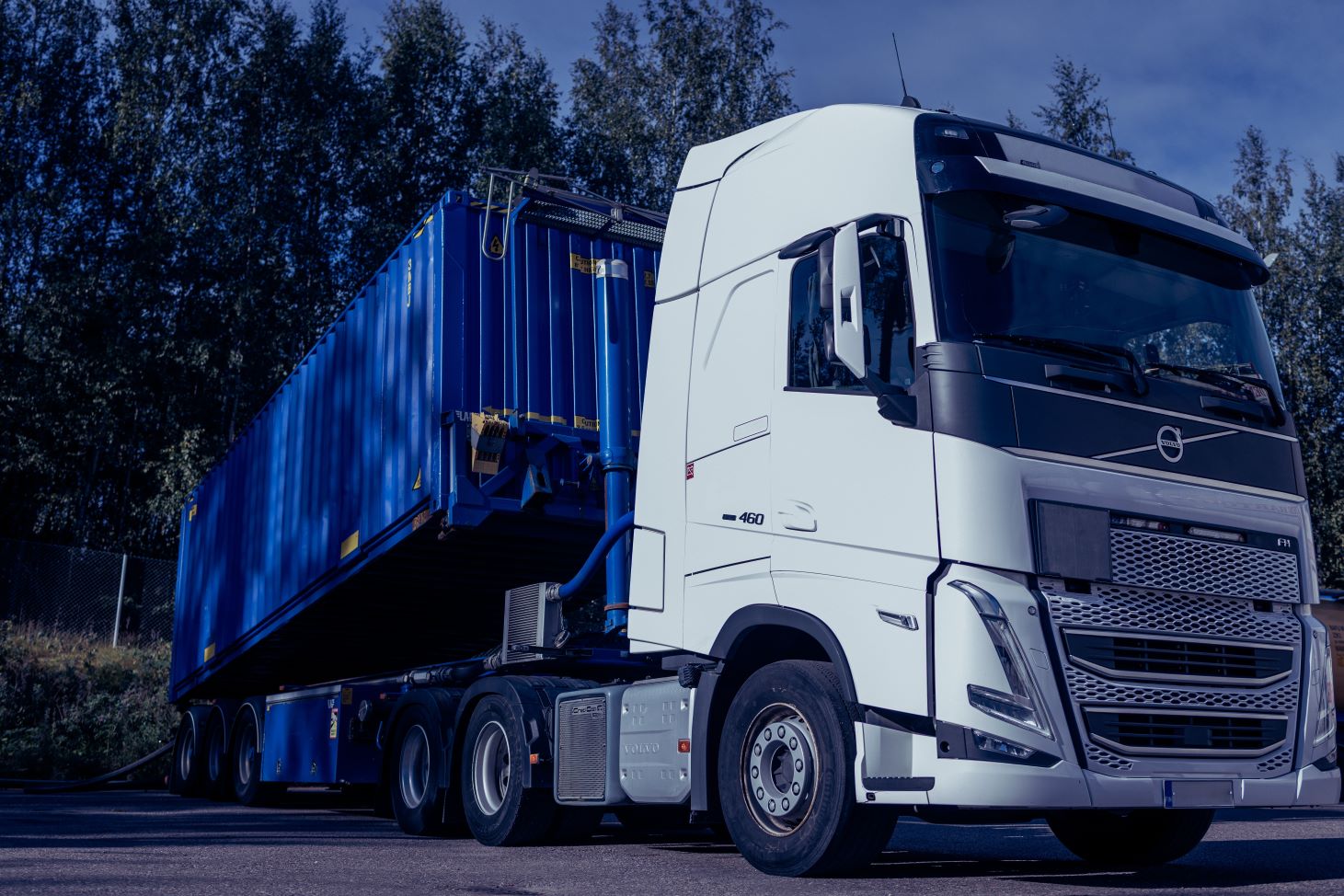
At Transitainer Shipping, we offer tailored dry bulk logistics solutions that cover the full journey from loading to delivery, including door-to-door transport via standard, bulk, and silo containers; flexible inland transport with tipping chassis; and container-to-silo transfers. Our technical expertise, trusted partner network, and recycling solutions mean we approach every shipment with the same focus on safety and reliability, so that emergencies become the exception rather than the rule. If you are looking for a dry bulk transport partner that takes both prevention and response seriously, get in touch with our team to discuss how we can support your operations.