If you work with dry bulk materials, you have probably come across the term rotary valve system at some point. Whether you are receiving granules at a production facility, transferring powders between containers, or managing silo deliveries, this equipment plays a central role in keeping dry bulk transport smooth and controlled. Understanding how it works helps you make better decisions about your logistics setup and avoid costly handling mistakes.
This article walks you through the mechanics of rotary valve systems, the different types available, how they compare with alternative equipment, and how they fit into modern dry bulk transport solutions. Each question below is answered directly, so feel free to jump to the section most relevant to your operation.
What is a rotary valve system in dry bulk handling?
A rotary valve system is a mechanical device used to control and meter the flow of dry bulk materials between two zones with different pressures. It allows bulk solids such as granules, powders, or pellets to pass through a sealed chamber without allowing air or pressure to transfer between the two sides. This makes it a core component in pneumatic conveying and silo discharge operations.
In dry bulk handling, maintaining pressure separation is important because bulk materials are often moved using pressurised or vacuum pneumatic systems. Without a device like a rotary valve, the pressure differential between the conveying line and the storage vessel would be lost, making controlled material flow impossible. The rotary valve sits at the interface between these two environments, acting as a metering and sealing unit at the same time.
In the context of dry bulk container logistics solutions, rotary valve systems are particularly relevant for SDU (silo discharge unit) deliveries, where bulk cargo needs to be transferred from a container directly into a customer silo or storage system. This delivery method eliminates the need for manual unloading and reduces the risk of contamination, which is especially valuable for food-grade and chemical granule shipments.
How does a rotary valve system work step by step?
A rotary valve works by using a rotating impeller with multiple pockets that fill with material at the inlet, rotate through a sealed housing, and discharge the material at the outlet. As each pocket rotates from the fill zone to the discharge zone, it carries a measured volume of material while the housing walls maintain the pressure seal between the two sides.
Here is a step-by-step breakdown of the process:
- Material enters the inlet: Bulk material flows by gravity or pressure from a hopper, container, or storage vessel into the top of the rotary valve.
- Pockets fill: The rotating impeller pockets capture a fixed volume of material as they pass under the inlet opening.
- Rotation occurs: The impeller turns, carrying the filled pockets through the sealed housing body away from the inlet zone.
- Material discharges: When the pocket reaches the outlet at the bottom, the material falls or is blown into the conveying line or receiving vessel.
- Pocket returns empty: The now-empty pocket continues rotating back to the inlet to fill again, creating a continuous, metered flow.
The speed of the impeller directly controls the flow rate of material. By adjusting the rotation speed, operators can increase or decrease throughput without stopping the system. This makes rotary valves well suited for operations that require consistent, adjustable material feed rates, such as filling packaging lines or transferring cargo into silos during a container-to-silo delivery.
What types of rotary valves are used for dry bulk cargo?
The most common types of rotary valves used for dry bulk cargo are standard drop-through valves, blow-through valves, and side-entry valves. Each type suits different material characteristics and conveying system configurations. Choosing the right type depends on the bulk material’s properties, the required flow rate, and the type of pneumatic system in use.
Drop-through rotary valves
Drop-through valves are the most widely used type. Material enters from the top, fills the pockets, and drops out from the bottom into the conveying line. They work well for free-flowing granules and pellets and are commonly found in food and chemical bulk handling applications.
Blow-through rotary valves
In blow-through designs, the conveying air passes directly through the valve body, sweeping material out of the pockets as they reach the outlet. This configuration is useful for fine powders or sticky materials that might otherwise build up inside the pockets and cause blockages.
Side-entry rotary valves
Side-entry valves allow material to enter from the side rather than the top. These are used in applications where vertical space is limited or where the material feeding arrangement requires a different geometry. They are less common but useful in specialised bulk handling setups.
For dry bulk shipping services involving food-grade products or sensitive chemical granules, the choice of valve type also affects hygiene and cleanability. Valves used in food-grade applications typically feature smooth internal surfaces and easy-access designs to allow thorough cleaning between product runs.
What is the difference between a rotary valve and a screw conveyor?
The key difference between a rotary valve and a screw conveyor is their primary function. A rotary valve controls material flow while maintaining a pressure seal between two zones. A screw conveyor moves material horizontally or at an incline from one point to another, but it does not provide a pressure seal. They serve different purposes and are often used together in the same bulk handling system.
A screw conveyor is a conveying device. It uses a rotating helical screw blade inside a tube or trough to push material along a defined path. It is useful for moving bulk solids over distance, feeding material into a process, or metering flow in low-pressure applications. However, it cannot isolate pressure zones, which limits its use in pneumatic conveying systems.
A rotary valve, by contrast, is primarily a pressure-control and metering device. Its value lies in its ability to introduce material into a pressurised or vacuum conveying line without breaking the system’s pressure balance. In many dry bulk transport setups, a screw conveyor might feed material into a rotary valve, which then meters it into the pneumatic conveying line. The two pieces of equipment work together rather than replacing each other.
For dry bulk logistics providers managing container-to-silo transfers, understanding this distinction helps when evaluating equipment compatibility at the receiving end of a shipment. The discharge method at the customer’s facility needs to match the type of container and unloading system being used.
What causes rotary valve wear and how can it be prevented?
Rotary valve wear is most commonly caused by abrasive bulk materials gradually eroding the impeller tips and housing bore, increasing the clearance between them and allowing pressure to leak across the valve. Secondary causes include material bridging inside the valve, corrosion from moisture or reactive materials, and mechanical stress from oversized particles entering the pockets.
Common wear factors
- Abrasive materials: Hard granules, crystalline powders, and mineral-based products accelerate wear on the impeller and housing surfaces.
- Incorrect clearances: If the gap between the impeller tips and the housing is too large from the start, or widens due to wear, pressure leakage increases and performance drops.
- Oversized particles: Lumps or agglomerates larger than the pocket opening can jam the valve, causing mechanical damage to the impeller or drive.
- Moisture and corrosion: Hygroscopic materials or humid conditions can cause material to stick inside the pockets and corrode metal surfaces over time.
Prevention strategies
Selecting a valve with hardened or coated internal surfaces significantly extends service life when handling abrasive dry bulk materials. Regular inspection of impeller tip clearances allows operators to identify wear before it causes performance problems. Installing a pre-separator or filter before the valve inlet helps prevent oversized particles from entering. For corrosive or hygroscopic materials, stainless steel construction and proper sealing reduce long-term degradation.
Routine maintenance schedules are also important. Cleaning the valve regularly, checking the drive components, and replacing worn parts before they cause secondary damage keeps the system running reliably. In dry bulk freight services, valve reliability directly affects unloading speed and cargo integrity, so preventive maintenance is a practical investment.
How does a rotary valve system connect to intermodal bulk transport?
A rotary valve system connects to intermodal bulk transport at the point of cargo discharge, specifically during SDU (silo discharge unit) deliveries, where bulk material is transferred from a container directly into a silo or storage vessel using a pneumatic conveying system. The rotary valve acts as the interface between the container outlet and the pneumatic conveying line, enabling controlled, enclosed transfer without manual handling.
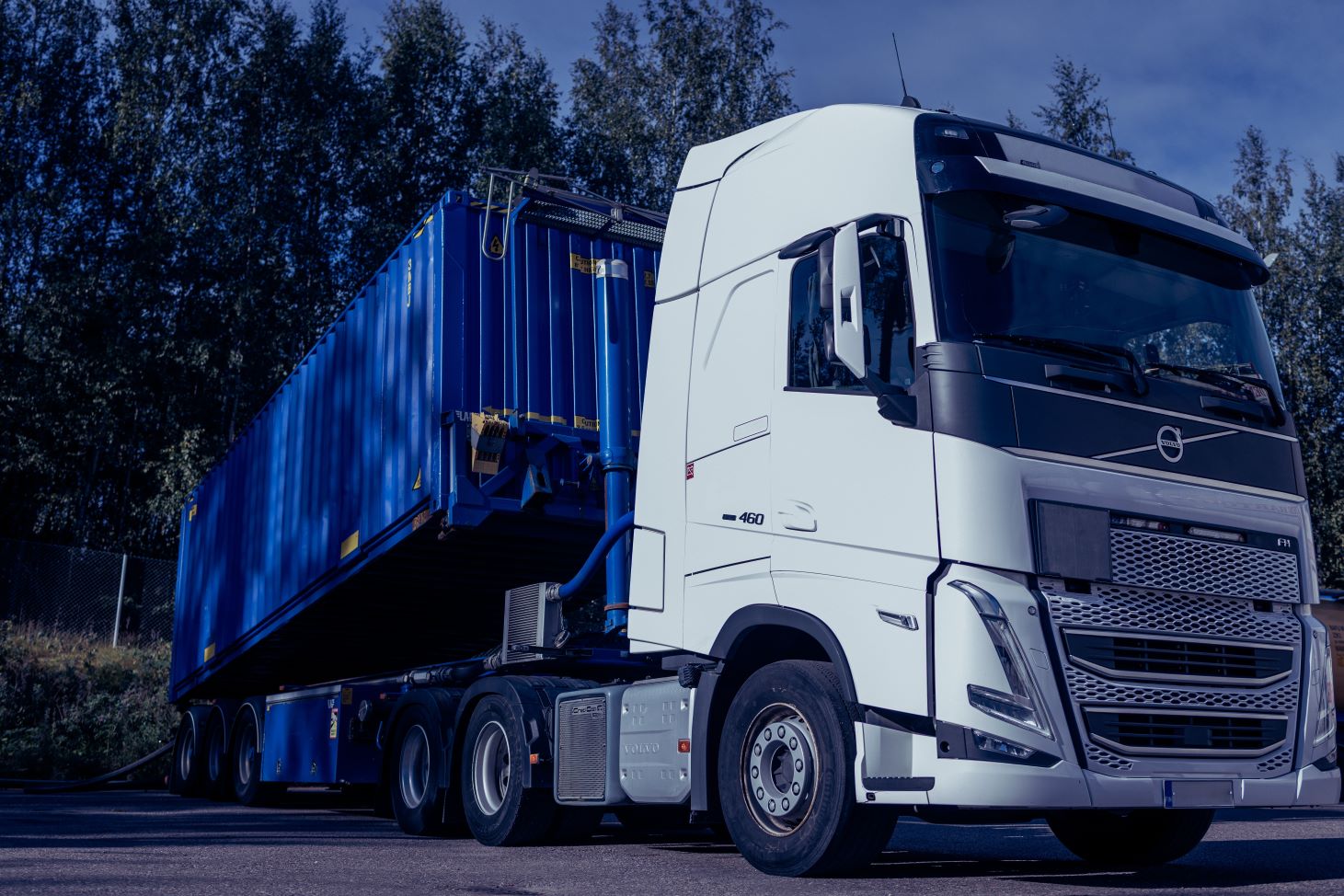
In intermodal dry bulk container shipping, cargo travels in standard containers fitted with liner bags or bulk container configurations. When the container arrives at the destination, the discharge method depends on the receiving facility’s setup. SDU deliveries using rotary valve systems allow the material to be conveyed directly from the container into the customer’s silo, keeping the product enclosed throughout the process. This reduces the risk of contamination, dust emissions, and labour requirements compared with manual unloading methods.
This connection between container logistics and on-site handling equipment means that dry bulk transport providers need to understand both the transport side and the receiving end of the operation. A container loaded and shipped correctly but discharged with incompatible equipment can result in product loss, contamination, or delays. Coordinating the full chain from loading to final silo transfer is what makes dry bulk container logistics genuinely end to end.
At Transitainer Shipping, we support exactly this kind of complete dry bulk logistics solution. Our dry bulk services include SDU deliveries via rotary valve systems, container-to-silo transfers, and flexible inland transport using tipping chassis, all backed by technical expertise and a trusted partner network. Whether you need door-to-door dry bulk freight forwarding or a reliable partner for container-based silo deliveries in the Nordics and Baltics, we are here to help. Reach out to our team to discuss how we can support your dry bulk cargo needs from first mile to final silo transfer.