Shipping dry bulk cargo across borders involves more paperwork than most people expect. Whether you’re moving food-grade granules, chemical powders, or agricultural commodities, the documentation behind each shipment determines whether your cargo clears customs smoothly or sits at a port waiting for corrections. Getting it right from the start saves time, money, and a great deal of frustration.
This guide walks you through every important document you’ll encounter in dry bulk shipping, explains what each one does, and highlights the mistakes that most commonly cause delays. If you’re new to dry bulk freight forwarding or looking to sharpen your logistics process, these answers will give you a solid foundation to work from.
What is dry bulk shipping, and what makes it unique?
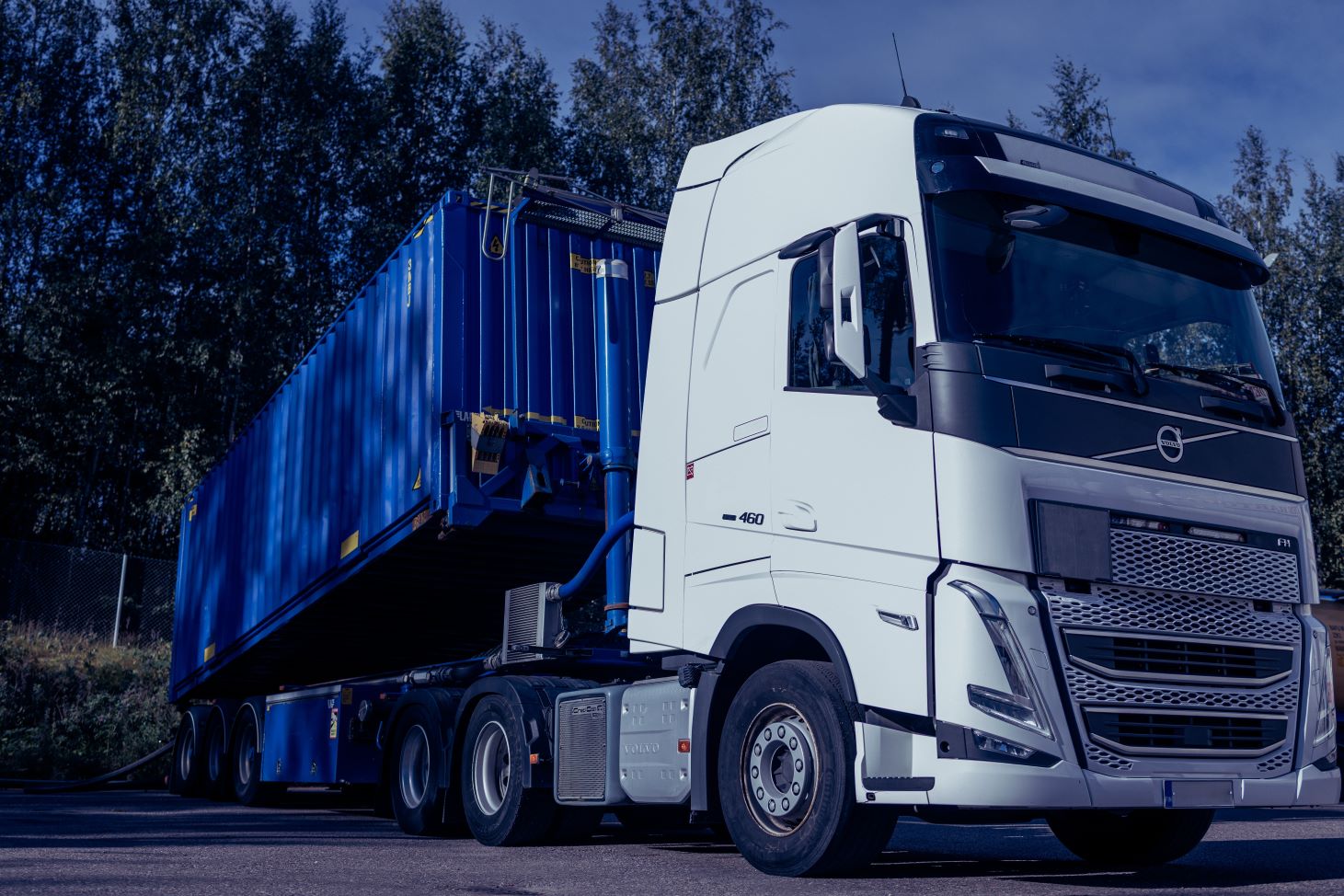
Dry bulk shipping is the transportation of unpackaged solid commodities in large quantities, including materials such as granules, powders, pellets, and grains. What makes it unique is that the cargo is not individually packed or containerized in the traditional sense. Instead, it moves in bulk form using specialized equipment such as bulk containers, silo containers, or liner bags fitted inside standard containers.
This method of transport creates specific logistical and documentary requirements that differ from those of general cargo shipping. Because the cargo type, physical state, and end use vary significantly from one shipment to the next, dry bulk transport solutions must be tailored to each situation. A shipment of food-grade starch, for example, demands different handling standards and documentation than a load of industrial chemical granules. The equipment used, the cleaning certifications required, and the customs classification all shift depending on what you’re moving and where it’s going.
Dry bulk container logistics also involves a range of specialized handling methods. Container-to-silo transfers, tipping chassis for inland delivery, and rotary valve systems for SDU deliveries are all part of the operational picture. Each of these methods can influence which documents you need to prepare and what information those documents must contain.
What documents are required for dry bulk shipping?
The core documents required for dry bulk shipping are the Bill of Lading or Sea Waybill, the Commercial Invoice, the Packing List, and the Certificate of Origin. Depending on the cargo type and destination, you may also need cargo analysis or quality certificates, safety data sheets, and phytosanitary or health certificates for food-grade or agricultural products.
Commercial Invoice and Packing List
The Commercial Invoice records the transaction between the buyer and the seller. It includes details such as the cargo description, quantity, unit price, total value, and trade terms. For dry bulk freight services, the cargo description must be precise enough to match the customs tariff classification. Vague descriptions such as “powder” or “granules” are not sufficient and will likely trigger requests for clarification.
The Packing List complements the invoice by specifying how the cargo is loaded. For bulk container shipping, this typically includes the number of containers, the liner bag type (if applicable), and the net and gross weight per unit. Even though dry bulk cargo is not individually packaged, customs authorities and carriers still require this document to verify what has been loaded.
Cargo Quality and Analysis Certificates
Many dry bulk shipments, particularly those involving food-grade or chemical products, require a certificate confirming the cargo’s composition, purity, or compliance with specific standards. These certificates are often issued by an independent laboratory or the manufacturer. For food-grade granules moving through international supply chains, this document may also be required by the receiving party before they accept delivery.
What customs documents are needed for international dry bulk cargo?
For international dry bulk cargo, the primary customs documents are the customs export declaration, the customs import declaration, and the Certificate of Origin. Additional documents such as phytosanitary certificates, EUR.1 movement certificates for preferential tariff treatment, and import licenses may be required depending on the destination country and the nature of the commodity.
The export declaration is submitted to the customs authority in the country of departure. It records what is being exported, its value, its HS (Harmonized System) code, and the identity of the exporter. This document is not optional. Attempting to move dry bulk cargo without a completed export declaration will result in the shipment being held at the border.
The import declaration mirrors this process on the receiving end. The importer or their customs broker submits this document to the destination country’s customs authority, declaring the cargo and paying any applicable duties or taxes. For dry bulk shipping providers operating across the Nordics and Baltics, smooth customs clearance depends on accurate alignment between the export and import declarations. Any discrepancy in weight, value, or cargo description between the two documents is a common trigger for delays.
The Certificate of Origin establishes where the goods were produced or manufactured. This matters because trade agreements between countries often grant reduced or zero tariff rates for goods originating from specific regions. Without the correct certificate, you may pay higher duties than necessary, or your shipment may be held while customs investigates the cargo’s origin.
What’s the difference between a Bill of Lading and a Sea Waybill for bulk shipments?
A Bill of Lading is a negotiable document of title, meaning it represents ownership of the cargo and must be physically presented to release the goods at the destination. A Sea Waybill is a non-negotiable transport document that does not represent title. The cargo can be released to the named consignee without presenting the original document, making it faster but less secure for transactions where payment and delivery are not simultaneous.
For dry bulk container shipping, the choice between these two documents depends on the commercial relationship between the buyer and the seller. If the transaction involves a letter of credit, or if the seller needs to retain control of the goods until payment is confirmed, a Bill of Lading is the appropriate choice. The seller holds the original Bills of Lading and releases them only once payment is received, at which point the buyer can present them to claim the cargo.
A Sea Waybill works well when there is established trust between trading partners, or when the buyer and seller are part of the same corporate group. Because the consignee is named directly and no original document needs to change hands, the process is simpler and faster. This can be useful for high-frequency dry bulk transport logistics, where speed and operational efficiency matter more than documentary security.
How does cargo classification affect dry bulk shipping paperwork?
Cargo classification directly determines which documents you need, what duties apply, and whether any permits or special declarations are required. Every dry bulk commodity is assigned an HS code, a standardized numerical classification used by customs authorities worldwide. The HS code on your documents controls tariff rates, import restrictions, and regulatory requirements at the destination.
Misclassifying your cargo, even unintentionally, can cause significant problems. If the HS code on your Commercial Invoice does not match the actual product, customs authorities may seize the shipment for inspection, apply incorrect duty rates, or reject the import declaration entirely. For dry bulk freight forwarding involving chemical granules, the classification also determines whether the cargo falls under hazardous material regulations, which would trigger additional documentation requirements such as a Safety Data Sheet and proper labeling declarations.
Food-Grade vs. Industrial Cargo Classification
The distinction between food-grade and industrial cargo has a direct impact on paperwork. Food-grade dry bulk shipments often require health certificates, food safety compliance documentation, and, in some cases, prior approval from the destination country’s food authority. Industrial bulk commodities may require REACH compliance declarations within Europe or specific import licenses in certain markets.
Getting the classification right from the outset is not just a regulatory formality. It shapes the entire document set for your shipment and influences which dry bulk logistics providers and transport routes are even viable for your cargo.
What documentation mistakes cause delays in dry bulk shipments?
The most common documentation mistakes that cause delays in dry bulk shipments are mismatched cargo descriptions across documents, incorrect or missing HS codes, incomplete customs declarations, and late submission of required certificates. Any inconsistency between your Commercial Invoice, Bill of Lading, and customs declarations gives customs authorities a reason to stop and inspect your shipment.
Weight discrepancies are particularly problematic in dry bulk transport. Because bulk cargo is measured by weight rather than unit count, even small differences between the declared weight on the Bill of Lading and the actual weight recorded at the port can trigger a hold. Always verify that the weight figures on every document align before the shipment departs.
Missing certificates are another frequent cause of delays. If your cargo requires a phytosanitary certificate, a quality analysis certificate, or an EUR.1 form for preferential tariff treatment, these must be ready before the shipment arrives at customs. Attempting to submit them after the fact slows the process considerably and, in some cases, results in the cargo being returned or destroyed.
Finally, vague cargo descriptions remain one of the most avoidable mistakes in dry bulk shipping documentation. Describing your cargo as a “chemical product” or a “food ingredient” without specifying the exact substance, its physical form, and its intended use gives customs officers insufficient information to process the declaration. Be specific, be consistent, and make sure every document in your set tells the same accurate story about what you’re shipping.
At Transitainer Shipping, we handle dry bulk logistics end-to-end, including documentation, customs clearance, and inland transport across the Nordics and Baltics. Whether you’re shipping food-grade granules or industrial powders, we bring the technical expertise and partner network to keep your cargo moving without unnecessary delays. If you want a logistics partner who understands what dry bulk shipping actually involves, reach out to our team and we’ll be ready to help.