Liner bags are gaining attention across dry bulk shipping operations—and for good reason. As businesses look for smarter, more flexible dry bulk transport solutions, liner bags offer a practical way to move granular and powder-based cargo in standard containers without the mess, contamination risk, or costly cleaning cycles that come with unlined container use. If you are evaluating your dry bulk container logistics options, this guide answers the questions that matter most.
Whether you are shipping food-grade ingredients, chemical granules, or agricultural products, understanding how liner bags work and where they fit into your supply chain can help you make better decisions. Let’s walk through the key questions.
What is a liner bag and how is it used in dry bulk shipping?
A liner bag is a large, flexible inner bag fitted inside a standard shipping container to carry dry bulk cargo. It acts as a protective barrier between the cargo and the container walls, allowing loose granular or powder materials to be loaded, transported, and discharged without direct contact with the container structure. This makes it possible to use standard 20-foot or 40-foot containers for bulk shipments that would otherwise require specialized equipment.
In practice, the liner bag is installed inside the container before loading. The dry bulk cargo is then filled into the liner, which is sealed to protect the product during transit. At the destination, the cargo is discharged through a discharge spout, often using gravity, pneumatic systems, or rotary valve mechanisms. This process supports a range of dry bulk container services, from container-to-silo transfers to direct delivery to processing facilities.
The simplicity of the system is a large part of its appeal. You do not need to invest in specialized bulk containers or manage complex equipment. A standard container fitted with a liner bag becomes a purpose-built bulk transport unit, making liner bags a cost-effective entry point into dry bulk container shipping for many businesses.
What are the main advantages of using liner bags for dry bulk?
The main advantages of liner bags for dry bulk transport are cost efficiency, cargo protection, flexibility, and cleanliness. By fitting a liner into a standard container, you avoid the need for dedicated bulk equipment while still achieving a sealed, contamination-free environment for your product. This combination makes liner bags one of the most practical dry bulk shipping solutions available for granular and powder cargo.
Cost savings and equipment flexibility
Liner bags allow you to use standard containers rather than sourcing specialized bulk containers, which are less widely available and often more expensive to rent or position. This opens up access to a broader range of dry bulk container rental options and shipping routes, giving you more flexibility in planning your supply chain.
Cargo protection and hygiene
For food-grade products and sensitive chemical granules, contamination is a serious concern. Liner bags create a sealed environment that protects the cargo from moisture, dust, and contact with the container surface. This is particularly relevant for businesses in the food and chemical sectors, where product integrity directly affects compliance and quality standards.
Cleaner operations
Because the cargo never touches the container walls, post-shipment cleaning is minimal or unnecessary. This reduces turnaround time between shipments and lowers overall handling costs, which is a meaningful benefit for businesses running high-frequency dry bulk freight services.
How do liner bags compare to flexitanks for bulk cargo?
Liner bags and flexitanks serve fundamentally different cargo types. Liner bags are designed for dry bulk cargo such as granules, powders, and pellets. Flexitanks, by contrast, are designed for non-hazardous bulk liquids and can hold up to 27,000 litres of liquid cargo inside a standard container. The choice between them depends entirely on whether your product is solid or liquid.
Both solutions share a similar operating principle: a flexible inner bag is fitted into a standard container, removing the need for specialized tank or bulk equipment. For liquid cargo such as food-grade oils, syrups, or chemical liquids, a flexitank is the appropriate choice. For granular or powder products, a liner bag is the right tool. Trying to use one in place of the other is not operationally viable.
From a customer perspective, both options offer a cost-efficient alternative to dedicated equipment, and both can be integrated into intermodal dry bulk transport logistics or liquid freight chains. The operational benefits, including reduced equipment costs, simpler logistics, and broader container availability, apply to both formats—just for different cargo categories.
What types of dry bulk cargo are best suited for liner bags?
Liner bags are best suited for dry bulk cargo that flows freely, including granules, powders, pellets, and flakes. Common applications include food-grade ingredients such as sugar, flour, starch, and feed materials, as well as chemical granules and agricultural commodities. The cargo needs to be dry, non-hazardous in its standard form, and compatible with the liner material used.
In our dry bulk transport services, liner bags are used specifically for food-grade and chemical granules, reflecting the two primary sectors where product purity and contamination prevention are non-negotiable. If your cargo falls into either of these categories, liner bags are worth evaluating seriously as part of your dry bulk freight forwarding strategy.
Cargo that is too coarse, sharp-edged, or heavy for the liner material may not be suitable, as it could damage the bag during loading or transit. Similarly, cargo with high moisture content, or cargo that requires temperature control during transport, may need additional handling considerations beyond what a standard liner bag provides.
Are there any limitations or risks to consider with liner bags?
Yes, liner bags do have limitations. The most important ones to consider are material compatibility, discharge constraints, and structural limits. Not all cargo types are suitable, and the discharge process requires appropriate equipment at the destination. Understanding these factors upfront helps you avoid operational problems and choose the right dry bulk logistics solution for your specific cargo.
Discharge requirements
Discharging cargo from a liner bag requires either gravity-based unloading, pneumatic systems, or rotary valve equipment, depending on the cargo and the receiving facility. If the destination does not have compatible discharge infrastructure, this can create bottlenecks. Confirming discharge capabilities at both origin and destination is an important step in planning any liner bag shipment.
Structural and material limits
Liner bags have weight and volume limits that depend on the specific bag design and container type used. Overloading, or using an incompatible liner for a particular cargo, can lead to bag failure during transit, resulting in product loss and container damage. Working with an experienced dry bulk transport provider who understands liner bag specifications reduces this risk significantly.
Single-use considerations
Most liner bags are single-use products. While this supports hygiene and prevents cross-contamination, it does generate waste. Recycling programs can offset some of this environmental impact, and it is worth asking your dry bulk logistics provider whether they have recycling solutions in place.
How do you choose the right liner bag solution for your cargo?
Choosing the right liner bag solution starts with understanding your cargo properties, your discharge setup, and your transport route. The liner material, bag size, and discharge spout configuration all need to match the specific requirements of your product and the infrastructure at your destination. Getting these details right from the start prevents costly mistakes later in the shipping process.
Here are the key factors to evaluate when selecting a liner bag solution:
- Cargo type and properties: Is the cargo food-grade or chemical? Is it in granular, powder, or pellet form? Does it have any moisture sensitivity or special handling requirements?
- Container type: Standard 20-foot containers are most commonly used with liner bags, but the container condition and door configuration also matter for safe installation and discharge.
- Discharge method: Confirm whether the receiving facility uses gravity discharge, pneumatic systems, or rotary valve equipment, and ensure the liner bag’s discharge spout is compatible.
- Weight and volume: Make sure the liner bag specification matches the volume and weight of your cargo to avoid overloading.
- Regulatory requirements: For food-grade cargo, confirm that the liner material meets the relevant food safety standards in your market.
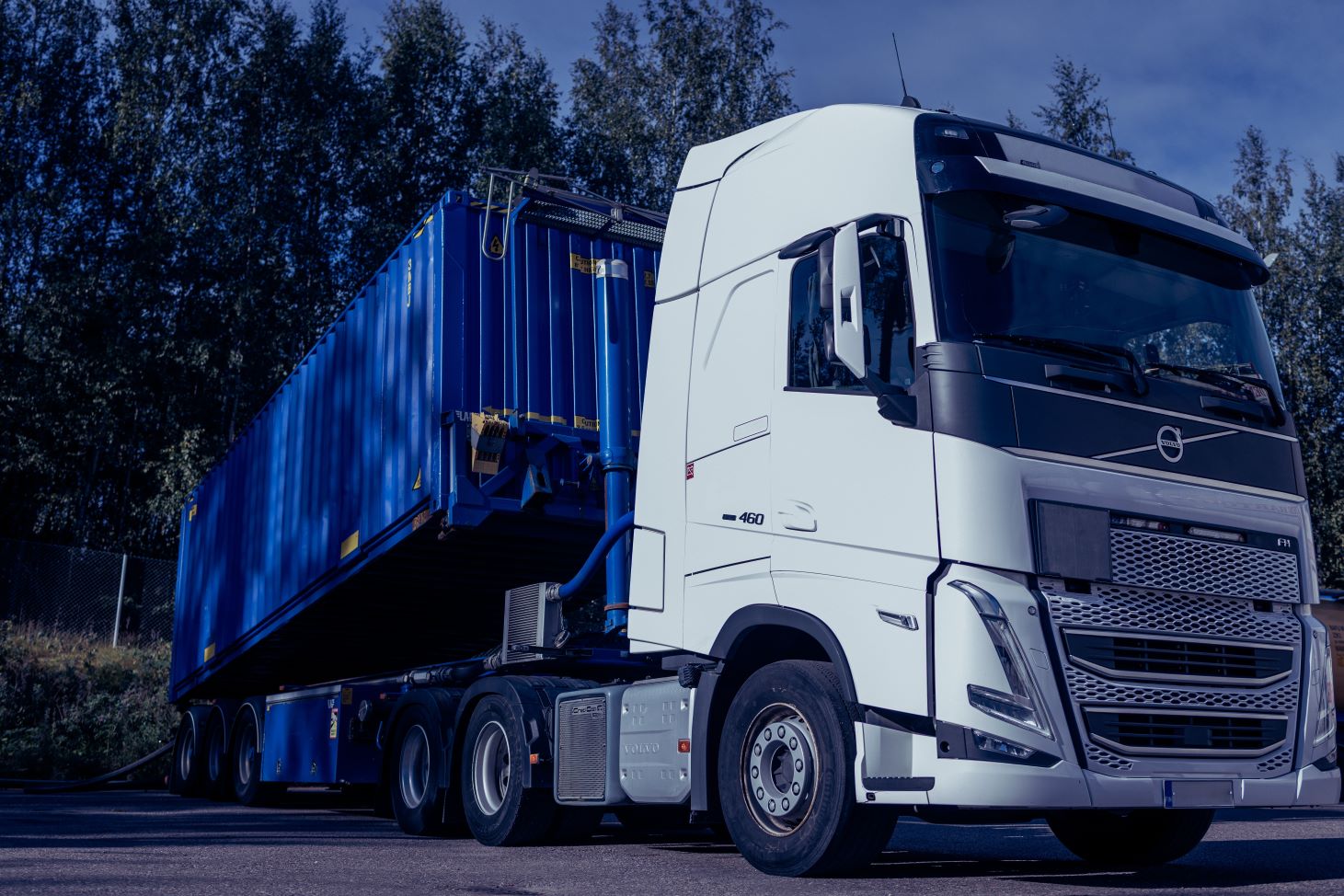
Working with an experienced dry bulk transport provider makes this process considerably more straightforward. At Transitainer Shipping, we offer tailored dry bulk container logistics using high-quality liner bags for both food-grade and chemical granules. Our services cover door-to-door transport, flexible inland transport with tipping chassis, container-to-silo transfers, and recycling solutions, all supported by technical expertise and a trusted partner network. If you are ready to find the right liner bag solution for your cargo, reach out to our team and we will help you get started.