Shipping dry bulk cargo internationally involves more moving parts than a standard container shipment. Whether you’re moving food-grade granules, chemical powders, or agricultural commodities, understanding how dry bulk container shipping works—and what drives its cost—helps you plan smarter and avoid surprises. This guide answers the questions we hear most often from businesses looking for reliable dry bulk transport solutions.
What is dry bulk container shipping?
Dry bulk container shipping is the transport of unpackaged solid commodities, such as granules, powders, or pellets, inside standard shipping containers. Rather than packing cargo into bags or boxes, the material is loaded directly into the container, often with the help of a liner bag to protect both the cargo and the container.
This approach suits a wide range of industries, including food processing, chemicals, and agriculture. Common cargo types include plastic granules, starch, sugar, flour, and various chemical powders. The container itself can be a standard dry container fitted with a liner bag, a bulk container with roof hatches for top loading, or a silo container designed for direct discharge into storage silos. Each format serves a different unloading requirement, which is why matching the container type to your logistics setup matters from the start.
What factors affect dry bulk container shipping costs?
Dry bulk container shipping costs depend on several interconnected factors: the cargo type and volume, the container format required, the origin and destination of the shipment, inland transport needs, and any special handling, such as liner bag fitting, tipping chassis, or silo discharge. Each of these adds to or reduces the final freight bill.
Cargo type and packaging requirements
Food-grade cargo often requires certified liner bags and stricter hygiene standards, which adds to the overall cost. Chemical granules may require specific documentation, labeling, and handling procedures. The nature of your cargo directly determines which container type and services you need.
Container type and handling method
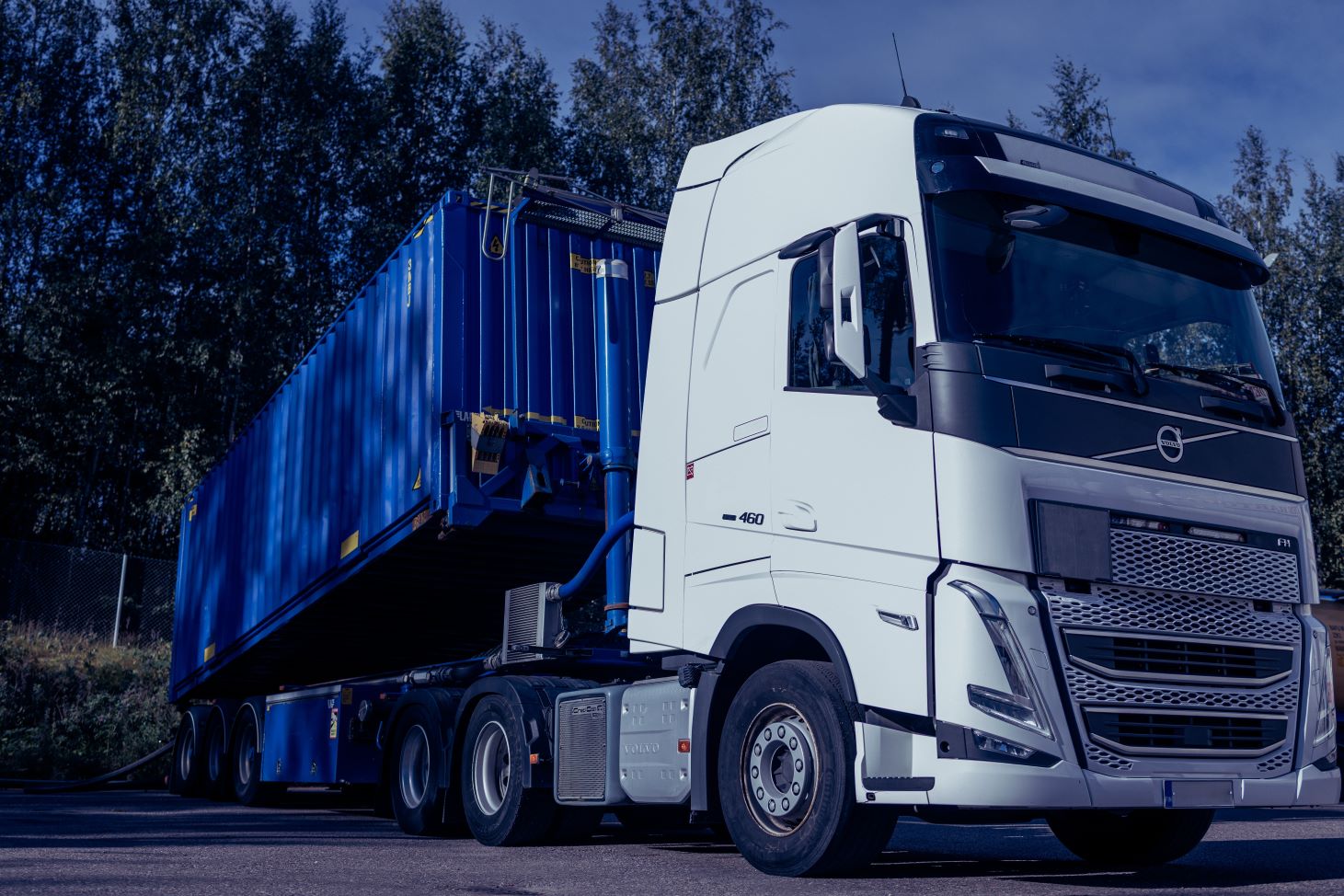
Standard bulk containers, silo containers, and containers fitted with liner bags each carry different cost profiles. Silo containers with rotary valve discharge systems, for example, require specialized equipment at the destination. Tipping chassis for inland delivery and container-to-silo transfers also add to the total logistics cost, but they may eliminate the need for manual unloading, saving time and labor at the receiving end.
Origin, destination, and transport mode
Sea freight rates vary significantly by trade lane, season, and carrier availability. Inland transport from the port to your facility adds another layer of cost, particularly if the destination is remote or requires special equipment. Intermodal routes that combine sea and road can offer both flexibility and cost efficiency, depending on your location.
How much does dry bulk container shipping typically cost?
Dry bulk container shipping costs vary widely and depend on the specific cargo, route, container type, and service scope. There is no single standard rate because each shipment involves a combination of sea freight, inland transport, handling, and specialized services such as liner bag fitting, tipping, or silo discharge.
Rather than quoting a fixed price range, the most accurate way to understand costs is to request a tailored quote from a dry bulk logistics provider who can assess your specific requirements. In that quote, look for a clear breakdown of sea freight, inland transport, terminal handling, equipment, and any additional services. Bundled door-to-door pricing can often be more cost-effective than sourcing each element separately, particularly when the provider manages the full logistics chain and can optimize routing and equipment use.
What’s the difference between dry bulk container shipping and breakbulk?
The key difference is how cargo is handled and transported. Dry bulk container shipping moves unpackaged solid commodities inside standardized containers, while breakbulk shipping involves individually packaged or unitized cargo, such as bags, drums, or pallets, loaded directly onto a vessel without a container.
Containers offer significant advantages in terms of protection, handling efficiency, and intermodal flexibility. Once your cargo is inside a container, it can move seamlessly between ship, truck, and rail without being handled. Breakbulk cargo, by contrast, requires more manual handling at each transfer point, which increases both time and the risk of damage or loss.
For dry bulk commodities specifically, containerized transport also allows for better cargo segregation and hygiene control, which matters for food-grade and pharmaceutical-grade materials. Breakbulk may still make sense for very large volumes that require full vessel loads, but for most industrial and commercial shippers, dry bulk container services offer a more practical and cost-controlled solution.
How can you reduce dry bulk container shipping costs?
You can reduce dry bulk container shipping costs by optimizing container utilization, choosing the right container type for your unloading setup, consolidating shipments where possible, and working with a provider who manages the full logistics chain rather than booking each element separately.
- Maximize container fill rates: Shipping a partially filled container costs nearly the same as shipping a full one. Planning order quantities to match container capacity reduces the cost per tonne shipped.
- Match the container type to your facility: Using a silo container with direct discharge eliminates the need for manual unloading and reduces labor costs at the destination. Choosing the wrong container type leads to workarounds that cost more.
- Use liner bags effectively: For food-grade and chemical cargo, high-quality liner bags protect the cargo and the container, reducing cleaning costs and potential liability. Recycling programs for used liner bags can also lower your overall operating costs.
- Work with a provider that offers door-to-door solutions: Coordinating sea freight, inland transport, and terminal handling through a single provider reduces administrative overhead and often results in better-negotiated rates across the chain.
- Plan ahead on documentation: Customs delays and documentation errors add cost. Working with a logistics partner who handles freight forwarding and customs clearance as part of the service reduces the risk of costly hold-ups.
What should you ask a dry bulk shipping provider before booking?
Before booking dry bulk container services, ask about the provider’s experience with your specific cargo type, which container formats they offer, how they handle inland transport and discharge, and whether they manage customs documentation. These questions help you assess whether the provider can genuinely handle your shipment from end to end.
Here are the most useful questions to ask:
- Do you have experience with my cargo type? Food-grade, chemical, and agricultural bulk cargo each have different handling and documentation requirements. Confirm that the provider knows your sector.
- Which container types do you work with? Ask about standard bulk containers, silo containers, and liner bag fitting to make sure they can match your loading and unloading setup.
- Do you offer door-to-door logistics? A provider who covers sea freight, inland transport, terminal handling, and customs in one service is easier to work with and often more cost-efficient.
- How do you handle documentation and customs clearance? For international shipments, smooth customs handling is important. A provider with in-house freight forwarding capability reduces the risk of delays.
- What does your partner network look like? Reliable dry bulk transport depends on trusted partners at origin and destination. Ask about their network, especially if your shipments involve the Nordics, the Baltics, or global trade lanes.
- Do you offer recycling solutions for liner bags and packaging materials? This matters if sustainability is part of your procurement criteria.
At Transitainer Shipping, we offer tailored dry bulk logistics solutions that cover the full journey, from liner bag fitting and container selection to inland transport with tipping chassis, silo container deliveries via rotary valve systems, and container-to-silo transfers. We work with trusted partners across the Nordics, the Baltics, and globally, and our team handles freight forwarding and customs clearance so you can focus on your core business. If you’re ready to move forward or want to talk through your specific requirements, reach out to our team and we’ll be happy to help.