Getting the most out of every dry bulk container shipment is not just about filling the box. It is about making smart decisions before the cargo ever reaches the port. Whether you are shipping chemical granules, agricultural powders, or food-grade dry commodities, poor utilization quietly eats into your margins and slows down your supply chain. Understanding how to optimize dry bulk container utilization puts you in control of both costs and reliability.
This article walks you through the most important questions about dry bulk container efficiency, from understanding what utilization actually means to the specific mistakes that cost shippers the most. If you work in procurement, supply chain management, or logistics operations, these answers will help you make better decisions every time you book a dry bulk shipment.
What is dry bulk container utilization?
Dry bulk container utilization is a measure of how effectively a container’s available capacity is used during a shipment. It looks at the relationship between the actual cargo loaded and the maximum payload or volume the container can carry. High utilization means you are moving more cargo per container, reducing the cost per unit shipped.
In dry bulk container shipping, utilization is measured in two ways: by weight and by volume. A container might reach its weight limit before it is physically full, or it might be full by volume before hitting the weight limit. Both scenarios affect efficiency differently depending on the cargo type. Understanding both dimensions helps you plan shipments that genuinely maximize what each container can do for you.
Utilization also extends beyond a single container. Across a full shipping program, it reflects how consistently your dry bulk logistics solutions are performing. Low average utilization across multiple shipments signals that your load planning, cargo matching, or container selection needs attention.
Why does poor container utilization increase shipping costs?
Poor container utilization increases shipping costs because you are paying for space and capacity you are not using. Ocean freight, inland transport, terminal handling, and documentation costs are largely fixed per container, regardless of how full it is. When you ship a container at 60% capacity, you are absorbing the full cost of a container while only moving 60% of the cargo it could carry.
The financial impact compounds quickly. If you regularly ship underloaded containers, you need more containers to move the same total volume of cargo. More containers mean more bookings, more handling fees, more customs entries, and more trucking movements. Each of these adds cost without adding value.
There is also a reliability dimension. Booking more containers than necessary puts pressure on equipment availability, especially during peak seasons or on high-demand trade lanes. Dry bulk transport providers with strong network access can help you consolidate shipments and reduce the number of containers you need, but the foundation has to be better utilization on your side first.
What factors affect dry bulk container fill rates?
Several factors directly affect how well you can fill a dry bulk container. The most important ones are cargo density, flowability, moisture content, packaging format, and the specific container type in use. Each factor either expands or limits how much cargo you can safely and efficiently load.
Cargo density and weight limits
Dense materials like mineral powders or chemical granules often hit the container’s weight limit before the volume is full. Lighter dry bulk materials, such as certain agricultural products, may fill the volume before reaching the weight ceiling. Knowing your cargo’s bulk density helps you predict which constraint you will hit first and plan accordingly.
Flowability and loading method
Free-flowing granules load efficiently and settle evenly, making it easier to achieve high fill rates. Powders with poor flowability or materials that clump can create air pockets and uneven distribution, reducing effective utilization. The loading method, whether pneumatic, gravity-fed, or manual, also influences how densely cargo packs into the container.
Moisture content and cargo condition
Moisture affects both the weight and the behavior of dry bulk cargo. Wet or humid cargo is heavier, which can push you to the weight limit faster. It can also cause caking or bridging, making it harder to load efficiently and harder to discharge at the destination.
How do you match cargo type to the right container?
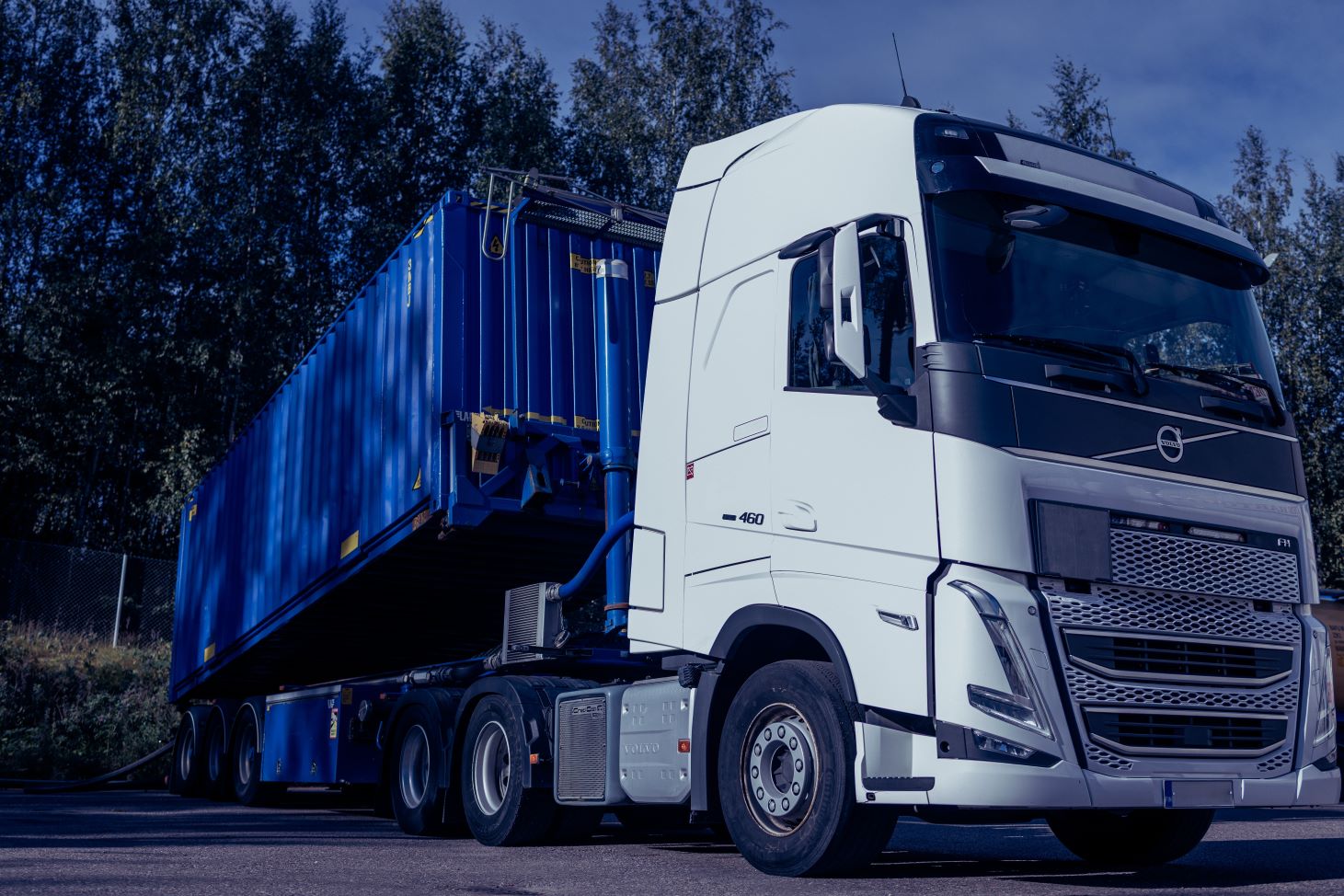
Matching cargo type to the right container starts with understanding the three main options in dry bulk container services: standard dry containers with liner bags, bulk containers with top-loading hatches, and silo containers designed for pneumatic loading and discharge. Each suits different cargo characteristics and handling requirements.
Standard containers fitted with high-quality liner bags work well for food-grade granules and chemical powders that need protection from contamination and moisture. Liner bags create a sealed inner layer that keeps the cargo clean and simplifies discharge. For free-flowing bulk materials that can tolerate direct contact with the container walls, bulk containers with roof hatches offer a straightforward and efficient solution. Silo containers are the right choice when your destination uses pneumatic discharge systems, such as direct container-to-silo transfers at industrial facilities.
Choosing the wrong container type creates problems at both ends of the journey. Cargo that needs a liner bag but is loaded into an unlined container risks contamination or loss. A free-flowing granule shipped in a standard container without proper liner support can shift in transit, creating safety risks and discharge difficulties. Getting the match right at the planning stage prevents costly problems downstream.
How can load planning improve dry bulk container efficiency?
Effective load planning improves dry bulk container efficiency by maximizing the usable payload on every shipment while staying within legal weight limits and ensuring cargo integrity in transit. Good planning accounts for cargo density, container tare weight, road weight limits for inland transport, and the specific discharge requirements at the destination.
Calculate payload before booking
Start with the container’s maximum gross weight, subtract the tare weight of the container and any liner bag or equipment, and you have your available payload. Cross-reference this against the bulk density of your cargo to estimate volume. This calculation tells you whether weight or volume will be your binding constraint before you commit to a booking.
Account for inland transport weight limits
Road weight limits vary between countries and can be lower than the container’s rated maximum. A container loaded to its full maritime payload might exceed road limits in the destination country, forcing partial unloading or special permits. Building these limits into your planning from the start avoids expensive surprises at the border or delivery point.
Plan discharge logistics in advance
Dry bulk container logistics at the destination affect how you load at the origin. If the receiver uses a tipping chassis for discharge, the cargo needs to flow freely when the container is tilted. If they use a rotary valve system for SDU deliveries, the liner bag needs to be compatible with that process. Aligning loading decisions with discharge requirements is one of the most practical ways to improve end-to-end efficiency.
What are the most common dry bulk utilization mistakes to avoid?
The most common dry bulk utilization mistakes fall into three categories: underloading due to poor payload calculation, mismatching cargo to container type, and failing to align loading decisions with discharge requirements. Each of these mistakes is avoidable with better upfront planning and communication across the supply chain.
Underloading is often caused by overly conservative estimates of cargo density or failure to account for how cargo settles during transit. Many shippers use rough estimates rather than accurate bulk density data, which leads to systematic underutilization across their entire shipping program. Using verified density figures and recalculating regularly as cargo specifications change closes this gap.
Mismatching container type to cargo is a planning failure that usually happens when the booking is made without consulting the technical requirements of the cargo or the receiver’s discharge setup. This is especially common when logistics decisions are made by freight forwarding teams without input from operations or quality teams who understand the cargo’s handling characteristics.
Ignoring the discharge end during load planning is perhaps the most overlooked mistake. Shippers often optimize for loading efficiency without thinking about what happens at the destination. A container that loads quickly but discharges slowly or incompletely creates delays, demurrage costs, and potential cargo loss. Thinking about the full journey from the start is what separates good dry bulk freight forwarding from reactive problem-solving.
At Transitainer Shipping, we help businesses across industries navigate exactly these challenges. Our dry bulk transport solutions cover door-to-door logistics using standard, bulk, and silo containers, supported by liner bag expertise, tipping chassis options, and container-to-silo transfer capabilities. If you want to improve your dry bulk container utilization and reduce unnecessary shipping costs, reach out to our team and we will help you build a smarter logistics setup from the ground up.