Choosing the right dry bulk transport provider is one of those decisions that looks straightforward on the surface but quickly reveals its complexity when you start comparing options. The wrong choice can lead to delays, damaged cargo, unexpected costs, and supply chain headaches that are difficult to untangle. Whether you are moving food-grade granules, chemical powders, or agricultural commodities, the provider you select will directly affect the reliability and efficiency of your entire operation.
This guide walks you through the most important questions to ask before signing any contract. We have structured it around the questions that logistics managers and procurement teams ask most often, so you can move from a general understanding to confident decision-making without getting lost in jargon.
What is dry bulk transport, and what cargo does it cover?
Dry bulk transport is the movement of unpackaged solid commodities in large quantities using containers, silo containers, or bulk carriers. It covers a wide range of materials, including granules, powders, and other dry commodities found in the chemical, agricultural, and food sectors. The cargo travels loose or inside liner bags rather than in individual packaging.
In practical terms, dry bulk container services handle materials like chemical granules, food-grade powders, and agricultural products that need to move efficiently from production facilities to end users. The method of transport depends on the nature of the cargo, its destination, and the infrastructure available at both ends of the journey.
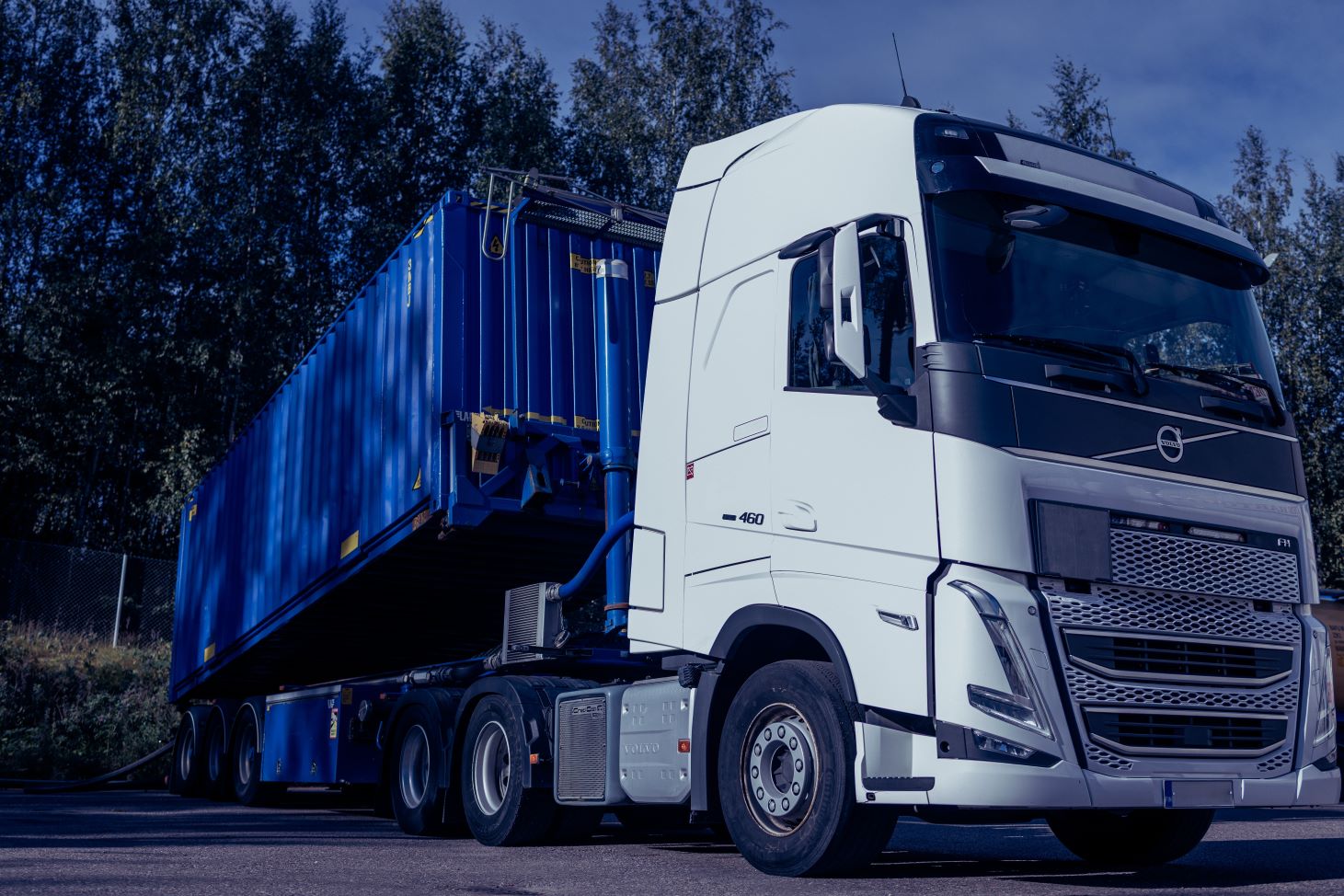
One important distinction in dry bulk logistics is the use of liner bags inside standard containers. High-quality liner bags allow food-grade and chemical granules to travel safely inside standard shipping containers, protecting the cargo from contamination while keeping transport costs manageable. Beyond standard containers, dry bulk shipping solutions from Transitainer also include bulk containers, silo containers, and tipping chassis for inland delivery, giving shippers flexibility depending on where the cargo needs to go and how it needs to be unloaded.
What services should a dry bulk transport provider offer?
A capable dry bulk transport provider should offer door-to-door solutions that cover the full journey: inland transport, container loading and unloading, documentation, and customs clearance. Relying on a provider who only handles one segment of the chain forces you to coordinate multiple parties, which increases the risk of miscommunication and delays.
Beyond basic container shipping, look for providers that offer flexible inland transport options. This includes tipping chassis for direct delivery to silos, SDU deliveries via rotary valve systems, and container-to-silo transfers. These capabilities matter because dry bulk cargo rarely ends its journey at a port. It typically needs to reach a production facility or storage site, and the final mile often requires specialized equipment.
Freight forwarding and customs as part of the package
Dry bulk freight forwarding is not just about booking space on a vessel. A full-service provider also handles import and export customs clearance, documentation, and compliance. This is particularly relevant for cross-border shipments into and out of regions with specific regulatory requirements. A provider that manages these elements in-house saves you from having to coordinate between separate freight and customs agents, which can slow down shipments and create gaps in accountability.
Recycling and sustainability programs
Liner bags and other single-use materials generate waste. Responsible dry bulk logistics providers offer recycling programs for these materials. This matters both from an environmental standpoint and from a compliance perspective, as many industrial and food-sector companies operate under strict sustainability commitments.
How do you evaluate a dry bulk logistics company’s reliability?
Reliability in dry bulk container logistics comes down to three factors: network strength, technical expertise, and consistency of service. A provider with a strong partner network can handle disruptions without passing the problem on to you. Technical expertise means they understand cargo-specific requirements, not just general shipping. Consistency means their service quality does not vary depending on shipment size or destination.
When assessing a dry bulk shipping company, ask about their partner network and how they handle situations when primary routes are disrupted. Providers who operate through a trusted partner network rather than relying on a single carrier or route are generally better positioned to maintain service continuity.
Technical expertise is another reliable indicator. A provider who understands the difference between food-grade liner bags and standard liner bags, or who can advise on the right container type for your specific cargo, demonstrates operational knowledge that goes beyond basic freight booking. This kind of expertise reduces the likelihood of cargo damage, contamination, or compliance issues.
What’s the difference between flexitanks and ISO tank containers for bulk cargo?
The main difference is what they carry and how they operate. ISO tank containers are designed for liquid and gas cargo, including chemicals, food-grade liquids, and gases, and we operate them globally, so you do not need to manage routes or logistics yourself. Flexitanks are single-use or limited-use bladders installed inside standard 20-foot containers, designed for non-hazardous bulk liquids with a capacity of up to 27,000 litres.
From a customer perspective, the choice between these two options depends on your cargo type, volume, and how frequently you ship. ISO tanks are a strong fit for hazardous chemicals, gases, and high-heat cargo where containment integrity and global operational coverage matter. Because we manage the tank containers ourselves, you gain access to a global network without needing to coordinate equipment availability or scheduled routes independently. This full-service model keeps pricing transparent and tied to the comprehensive service rather than fragmented, per-leg costs.
Flexitanks, on the other hand, offer a cost-efficient solution for non-hazardous liquid cargo. They are particularly useful when you need temperature-controlled storage, cross-pumping capability, or a more flexible arrangement for one-off or seasonal shipments. Both solutions provide flexibility, reliability, and scalability, but the right choice depends on your specific operational requirements rather than a one-size-fits-all recommendation.
What questions should you ask a dry bulk transport provider before hiring?
Before committing to a dry bulk transport company, ask specific questions about their capabilities, not general ones about their experience. The answers will reveal whether they can actually handle your cargo or whether they are overpromising services they subcontract without oversight.
Here are the most useful questions to ask:
- Do you offer door-to-door service, including the final mile to silos or production facilities? This reveals whether they own or manage the inland transport leg or simply hand it off.
- What container types do you work with? Standard containers with liner bags, bulk containers, silo containers, and tipping chassis each serve different purposes. A provider who only offers one option may not suit your cargo.
- How do you handle customs and documentation for cross-border shipments? In-house customs expertise is a significant advantage over providers who outsource this.
- Do you offer recycling programs for liner bags and packaging materials? This matters if your company has sustainability commitments.
- How do you manage disruptions to primary shipping routes? Their answer tells you a lot about the strength of their partner network.
- What is your experience with food-grade or chemically sensitive cargo? Cargo-specific knowledge reduces contamination and compliance risks.
The goal is not to catch the provider out but to understand how they operate in practice. A provider who answers these questions confidently and specifically is far more trustworthy than one who responds with broad assurances.
What are the most common mistakes when choosing a bulk cargo provider?
The most common mistake is selecting a provider based on price alone without evaluating their actual service scope. A low freight rate that excludes inland transport, customs handling, or documentation support can quickly become more expensive than a higher all-in rate once you add the cost of coordinating those elements separately.
Another frequent mistake is not checking whether the provider has experience with your specific cargo type. Dry bulk container shipping covers a wide range of materials, and the requirements for food-grade granules are very different from those for chemical powders. A provider without cargo-specific knowledge may use the wrong liner type, mishandle documentation, or fail to meet the hygiene standards your buyers expect.
Overlooking the importance of the inland transport leg is also a common oversight. Many shippers focus on the sea freight portion of the journey and assume the last mile will take care of itself. In dry bulk logistics, the final delivery to a silo or production facility often requires specialized equipment like tipping chassis or rotary valve systems. Confirming that your provider can handle this before you sign a contract saves significant trouble later.
Finally, failing to ask about contingency planning is a mistake that often only becomes apparent during a disruption. Providers with a strong and trusted partner network can reroute shipments or find alternative solutions when primary routes are affected. Providers without this network leave you exposed when things do not go according to plan.
At Transitainer Shipping, we offer tailored dry bulk logistics solutions that cover the full transport chain, from liner bag selection and container loading through to inland delivery, documentation, and recycling. Our partner network spans the Nordics, the Baltics, and beyond, and our team brings the technical expertise needed to handle both food-grade and chemical dry bulk cargo safely and efficiently. If you are evaluating your options for dry bulk freight services, reach out to our team to discuss what a solution for your specific cargo and routes would look like.