Moving dry bulk cargo across borders involves a lot of moving parts: multiple carriers, different transport modes, customs paperwork, and constant pressure to keep costs under control. Intermodal dry bulk transport brings these elements together into one coordinated system, giving businesses a smarter way to move commodities such as granules, powders, and other dry materials from origin to destination. Whether you are sourcing raw materials internationally or distributing finished goods across the Nordics and beyond, understanding how dry bulk container logistics works can help you make better decisions for your supply chain.
This article answers the most common questions businesses ask about intermodal dry bulk transport, from the basics of how it works to how to choose the right dry bulk logistics partner for your needs.
What is intermodal dry bulk transport?
Intermodal dry bulk transport is the movement of dry bulk cargo using two or more transport modes, such as sea, road, and rail, within a single logistics chain. The cargo stays in the same container throughout the journey, which means it does not need to be repacked or transferred between vehicles. This approach combines the efficiency of deep-sea shipping with the flexibility of inland transport.
The “intermodal” part refers to the use of standardized containers that can move seamlessly between ships, trucks, and rail wagons without any changes to the cargo itself. For dry bulk specifically, this often involves bulk containers, silo containers, or standard containers fitted with liner bags that protect the cargo during transit. The result is a coordinated, door-to-door dry bulk transport solution that connects producers and buyers across different regions and continents.
What makes intermodal dry bulk different from simple trucking or conventional shipping is the integration. Instead of managing separate contracts with a shipping line, a trucking company, and a terminal operator, you work within one system in which each transport leg is planned and coordinated. This reduces gaps, delays, and communication failures between different parties.
What types of cargo are suitable for intermodal dry bulk?
Intermodal dry bulk transport is suitable for granules, powders, and other free-flowing dry commodities that can be loaded into bulk containers, silo containers, or standard containers fitted with liner bags. This includes both food-grade materials and industrial chemical products, as long as the cargo does not require liquid or gas containment.
Common cargo types that work well with dry bulk container services include:
- Chemical granules and powders used in manufacturing and processing
- Food-grade ingredients such as starches, sugars, and grain-based products
- Agricultural commodities such as seeds, feed, and fertilizers
- Plastic resins and polymer pellets
- Mineral products and other industrial dry materials
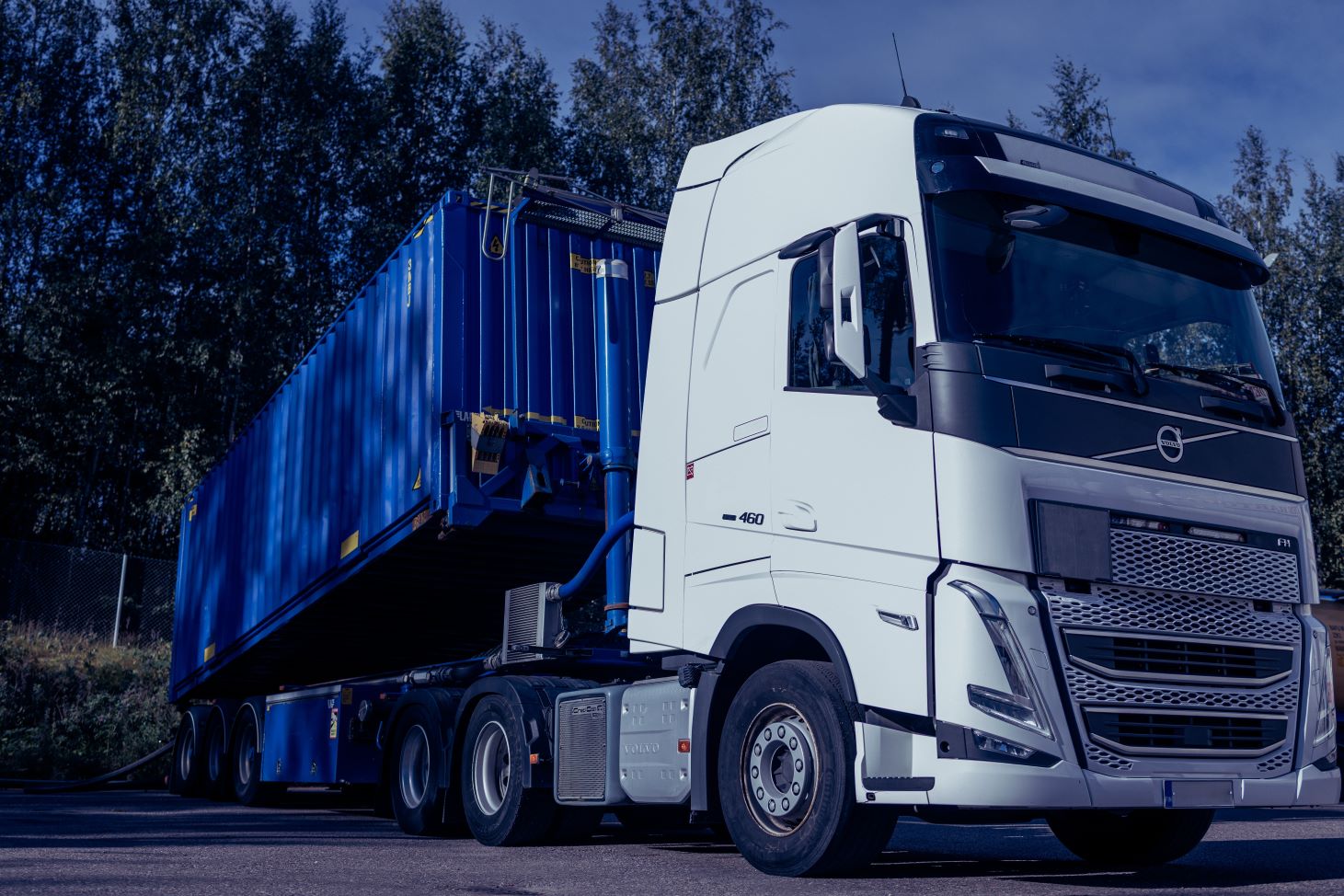
The suitability of a cargo type depends on several factors: the particle size and flow characteristics of the material, whether it requires food-grade handling, and how it needs to be discharged at the destination. Some cargo works best with tipping chassis systems that allow the container to be tilted for gravity discharge, while other cargo requires rotary valve systems for controlled container-to-silo transfers. Choosing the right container type and discharge method for your specific product is an important part of planning an effective dry bulk freight solution.
What are the main advantages of intermodal dry bulk transport?
The main advantages of intermodal dry bulk transport are flexibility, cost efficiency, cargo protection, and end-to-end coordination. By using standardized containers across multiple transport modes, you reduce handling steps, lower the risk of contamination or damage, and gain access to a wider range of routes and destinations than with single-mode shipping.
Fewer handling steps, better cargo integrity
One of the clearest benefits of dry bulk container logistics is that the cargo stays sealed inside the same container from loading to discharge. This reduces the number of times the product is exposed to external conditions, which is particularly important for food-grade materials and moisture-sensitive chemicals. Fewer handling steps also mean fewer opportunities for contamination, spillage, or loss in transit.
Flexible routing and scalability
Intermodal dry bulk freight services give you access to a broader network of routes by combining sea freight with inland transport by road or rail. This flexibility is useful when direct routes are not available or when you need to reach inland destinations that are not accessible by ship. You can also scale shipments up or down more easily because containerized transport does not require full-vessel bookings the way conventional bulk shipping does.
Simplified logistics management
Working within an intermodal system means you deal with one coordinated logistics chain rather than managing separate relationships with multiple transport providers. This simplifies documentation, customs clearance, and scheduling, which saves time and reduces the administrative burden on your team.
How does intermodal dry bulk compare to conventional bulk shipping?
The key difference between intermodal dry bulk and conventional bulk shipping is how the cargo is carried. Conventional bulk shipping uses dedicated bulk vessels where loose cargo is loaded directly into the ship’s hold, while intermodal dry bulk uses standardized containers that move across multiple transport modes. Each approach has its strengths, and the right choice depends on your cargo volume, destination, and handling requirements.
Conventional bulk shipping is typically more cost-effective for very large volumes moving between major ports because bulk vessels can carry enormous quantities in a single voyage. However, this approach requires specialized port infrastructure for loading and discharge, and the cargo is exposed to more handling at each transfer point. It also offers less flexibility for smaller shipments or destinations that are not served by bulk terminals.
Intermodal dry bulk container shipping, by contrast, works well for a wider range of volumes and destinations. Because standard or specialized containers can be loaded onto trucks, trains, or ships, you are not limited to ports with bulk-handling facilities. This makes intermodal solutions particularly useful for businesses shipping to or from inland locations, or for those that need more control over delivery schedules and cargo integrity. For food-grade products and sensitive chemicals, the enclosed container environment also provides a cleaner, more controlled transport condition than open-hold shipping.
What industries benefit most from intermodal dry bulk solutions?
The industries that benefit most from intermodal dry bulk solutions are chemical manufacturing, food and beverage production, agriculture, and plastics and polymer processing. These sectors regularly ship granular or powdered materials in volumes that suit containerized transport, and they often have strict requirements around cargo hygiene, traceability, and safe handling.
Chemical companies, for example, frequently ship industrial granules and powders that require careful containment and documentation, especially for cross-border shipments involving customs clearance. Intermodal dry bulk freight services that include documentation support and customs expertise are particularly valuable here.
Food and beverage manufacturers benefit from food-grade liner bag solutions that keep ingredients clean and uncontaminated throughout transit. Agricultural businesses shipping seeds, fertilizers, or feed products benefit from the flexible routing options that intermodal transport provides, especially when moving cargo between regions with different levels of infrastructure.
Logistics managers and supply chain professionals across all these sectors also benefit from the simplified coordination that intermodal dry bulk logistics providers offer. Rather than piecing together transport legs from separate vendors, they can work with a single partner that manages the full chain from pickup to delivery.
How do you choose the right intermodal dry bulk partner?
To choose the right intermodal dry bulk partner, look for a provider with hands-on experience with your specific cargo type, a reliable network covering your required routes, and the technical capability to handle loading, discharge, and documentation end to end. A good partner does more than book containers; they help you design a transport solution that fits your product and your supply chain.
Here are the most important factors to evaluate:
- Cargo expertise: Does the provider understand the specific requirements of your product, whether it is food-grade, chemical, or agricultural? Ask about liner bag options, container types, and discharge methods they support.
- Route coverage: Can they handle both the international sea freight leg and the inland transport to your final destination? A provider with a strong network in the Nordics and the Baltics, for example, is valuable if your supply chain runs through that region.
- End-to-end services: Look for providers that offer door-to-door dry bulk transport services, including customs clearance, documentation, terminal handling, and recycling of used packaging materials.
- Technical support: Do they provide guidance on container selection, discharge systems, and any special requirements for your cargo? Technical expertise matters when things do not go exactly to plan.
- Reliability and communication: A trustworthy dry bulk logistics provider keeps you informed and responds quickly when issues arise. Ask about their processes for tracking shipments and managing exceptions.
At Transitainer Shipping, we offer tailored dry bulk logistics solutions that cover the full transport chain, from door-to-door delivery using bulk, standard, and silo containers to flexible inland transport with tipping chassis, container-to-silo transfers via rotary valve systems, and recycling programs for liner bags. Our team brings technical expertise and a trusted partner network to every shipment, so you can focus on your business while we manage the complexity of your dry bulk freight.
If you are ready to streamline your dry bulk supply chain, reach out to our team to discuss your specific requirements and find a solution tailored to your cargo and routes.