Flexitank container services provide cost-efficient bulk liquid transport using flexible bladders that fit inside standard shipping containers. These services handle non-hazardous liquids with capacities up to 27,000 litres, offering door-to-door solutions without requiring specialised equipment ownership. Flexitank logistics combine global shipping networks with local handling expertise to deliver seamless liquid transport solutions.
What exactly is a flexitank and how does it work for liquid transport?
A flexitank is a flexible bladder made from multiple layers of polyethylene that transforms a standard 20-foot shipping container into a bulk liquid transport solution. The bladder fills the entire container space, creating a temporary tank that can hold liquid cargo safely during transport.
The system works by fitting the flexitank inside a dry container before loading your liquid cargo through a top-loading valve. Once filled, the flexitank takes the shape of the container, maximising space utilisation while protecting the liquid from contamination. This approach eliminates the need for expensive tank containers while maintaining product integrity throughout the journey.
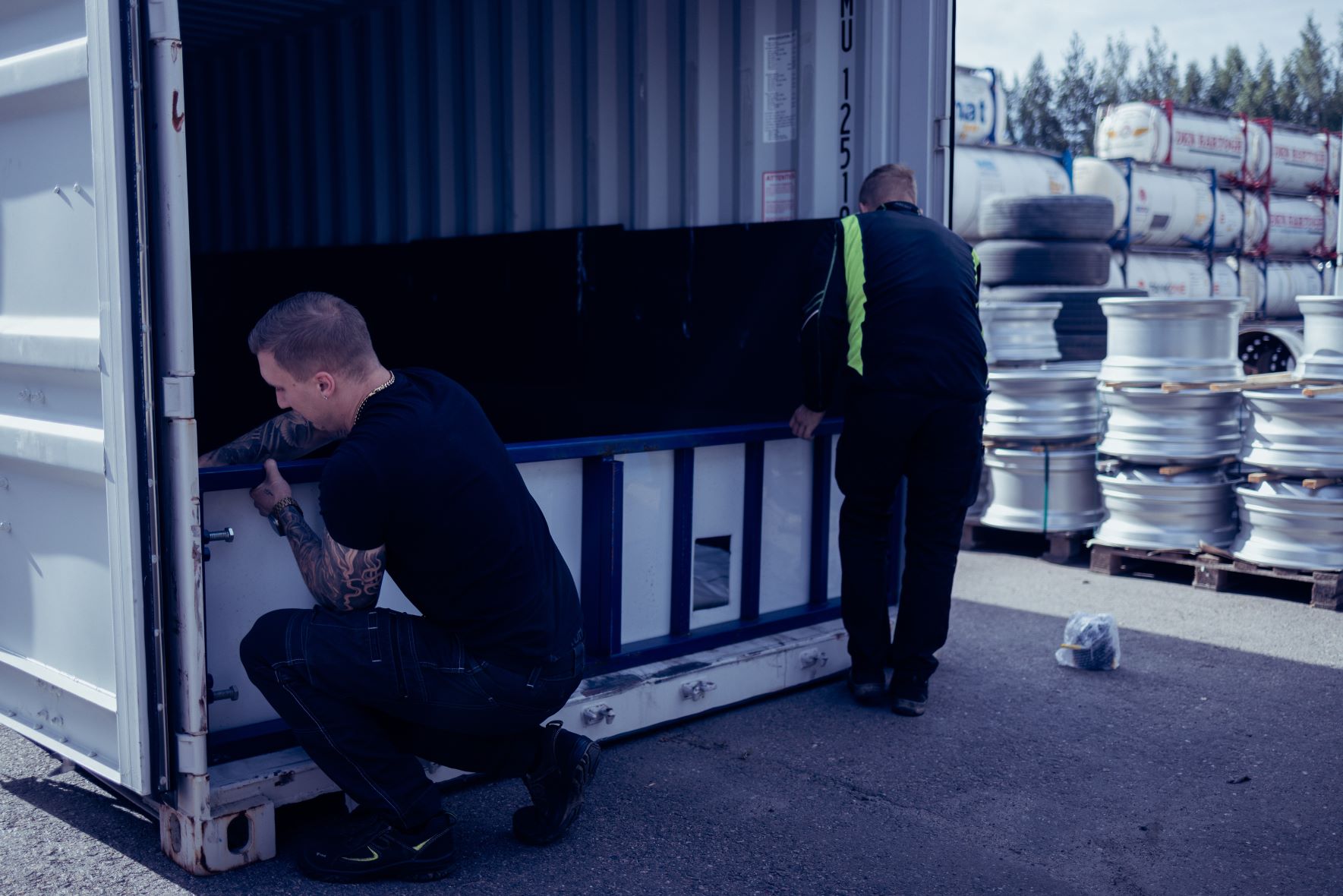
Flexitank shipping services handle the entire process from installation to discharge. The fitting process requires expertise to ensure proper placement and connection of valves, heating systems when needed, and discharge equipment. Professional flexitank providers manage these technical requirements, ensuring safe transport without requiring you to understand the complexities of installation and handling.
How much liquid can a flexitank actually hold?
A flexitank can hold up to 27,000 litres of liquid cargo, making it significantly more efficient than traditional packaging methods. This capacity represents approximately 24,000 litres of usable space, accounting for safety margins and proper loading procedures.
Compared to other liquid transport methods, flexitanks offer substantial volume advantages. Standard drum shipping typically handles 16,000–18,000 litres per container, while intermediate bulk containers (IBCs) manage around 20,000 litres. The flexitank’s 27,000-litre capacity means you can ship more product per container, reducing your per-litre transport costs.
This volume efficiency becomes particularly valuable for flexitank freight forwarding operations spanning long distances. The additional capacity reduces the number of containers needed for large shipments, lowering overall logistics costs and simplifying supply chain management. For businesses shipping regular volumes, this capacity advantage translates into meaningful cost savings over time.
What types of liquids can you transport using flexitank services?
Flexitank transport services specialise in non-hazardous liquids across multiple industries. Food-grade products, including oils, wine, fruit juices, and liquid ingredients, represent a major category, along with industrial liquids such as lubricants, glycols, and non-dangerous chemicals.
The food and beverage industry benefits significantly from flexitank logistics services because the single-use nature of flexitanks ensures no cross-contamination between shipments. Each flexitank is new and food-grade certified, meeting strict hygiene requirements for edible products. This makes flexitanks ideal for transporting cooking oils, liquid sweeteners, and beverage concentrates.
Industrial applications include automotive fluids, pharmaceutical ingredients (non-hazardous), and chemical products that do not require specialised handling. Flexitank suppliers provide different bladder specifications depending on your product characteristics, including temperature-controlled options for heat-sensitive liquids and specialised materials for products requiring enhanced chemical compatibility.
What makes flexitank services different from ISO tank container transport?
Flexitanks and ISO tanks serve different cargo requirements and operational needs. Flexitanks work best for non-hazardous liquids requiring single-use, contamination-free transport, while ISO tanks handle hazardous materials, gases, and liquids requiring temperature control or pressure management.
The key operational difference lies in equipment ownership and logistics management. Flexitank shipping companies typically provide complete service packages where you do not own or manage the equipment. ISO tank operations often require long-term equipment leases, positioning management, and specialised handling capabilities.
Cost structures differ significantly between the two solutions. Flexitank services operate on a per-shipment basis with transparent pricing that includes fitting, transport, and disposal. ISO tank solutions involve equipment rental, positioning costs, cleaning requirements, and return logistics. For regular shipments of non-hazardous liquids, flexitanks often provide better cost predictability and lower total logistics expenses.
From a service perspective, flexitank operations offer greater flexibility because they do not require equipment repositioning between shipments. Flexitank transport companies can handle irregular shipping patterns more efficiently, making them suitable for businesses without consistent volume commitments.
How do global flexitank container services actually work in practice?
Global flexitank container services operate through integrated networks that manage your shipment from origin to destination without requiring your involvement in logistics coordination. The service model combines equipment supply, fitting services, shipping arrangements, and destination handling into a single managed solution.
The process begins when you book a shipment with flexitank shipping solutions providers who coordinate container supply, flexitank fitting, and pickup scheduling. Professional teams handle the technical aspects of installation, ensuring proper valve connections and safety procedures. This eliminates the need for you to manage multiple suppliers or understand technical requirements.
During transport, global networks manage routing, documentation, and customs procedures across different countries. Flexitank logistics providers maintain relationships with shipping lines and local handling agents, ensuring consistent service quality regardless of destination. This network approach means you receive the same service standards whether shipping within Europe or to more distant markets.
At destination, local teams handle discharge operations, equipment disposal, and delivery coordination. The comprehensive service model means you do not need to arrange separate discharge services or manage flexitank disposal, as these elements are included in the overall service package.
Understanding flexitank container services helps you evaluate whether this transport method suits your liquid shipping requirements. The combination of cost efficiency, global availability, and comprehensive service management makes flexitanks particularly valuable for businesses shipping non-hazardous liquids internationally. We specialise in providing these complete flexitank solutions, managing every aspect of your liquid transport needs through our global network and local expertise. For specific requirements or quotes, contact our logistics experts today.