Flexitanks function as flexible containers that transform standard shipping containers into bulk liquid transport solutions. These collapsible bags hold non-hazardous liquids during transit, offering a cost-efficient alternative to traditional tank containers. They fit inside 20-foot shipping containers and can transport up to 27,000 litres of liquid cargo worldwide.
What exactly is a flexitank and how does it work?
A flexitank is a flexible container system designed specifically for bulk liquid transport within standard shipping containers. The flexitank consists of multiple layers of polyethylene that create a secure, food-grade barrier for liquids during international shipping.
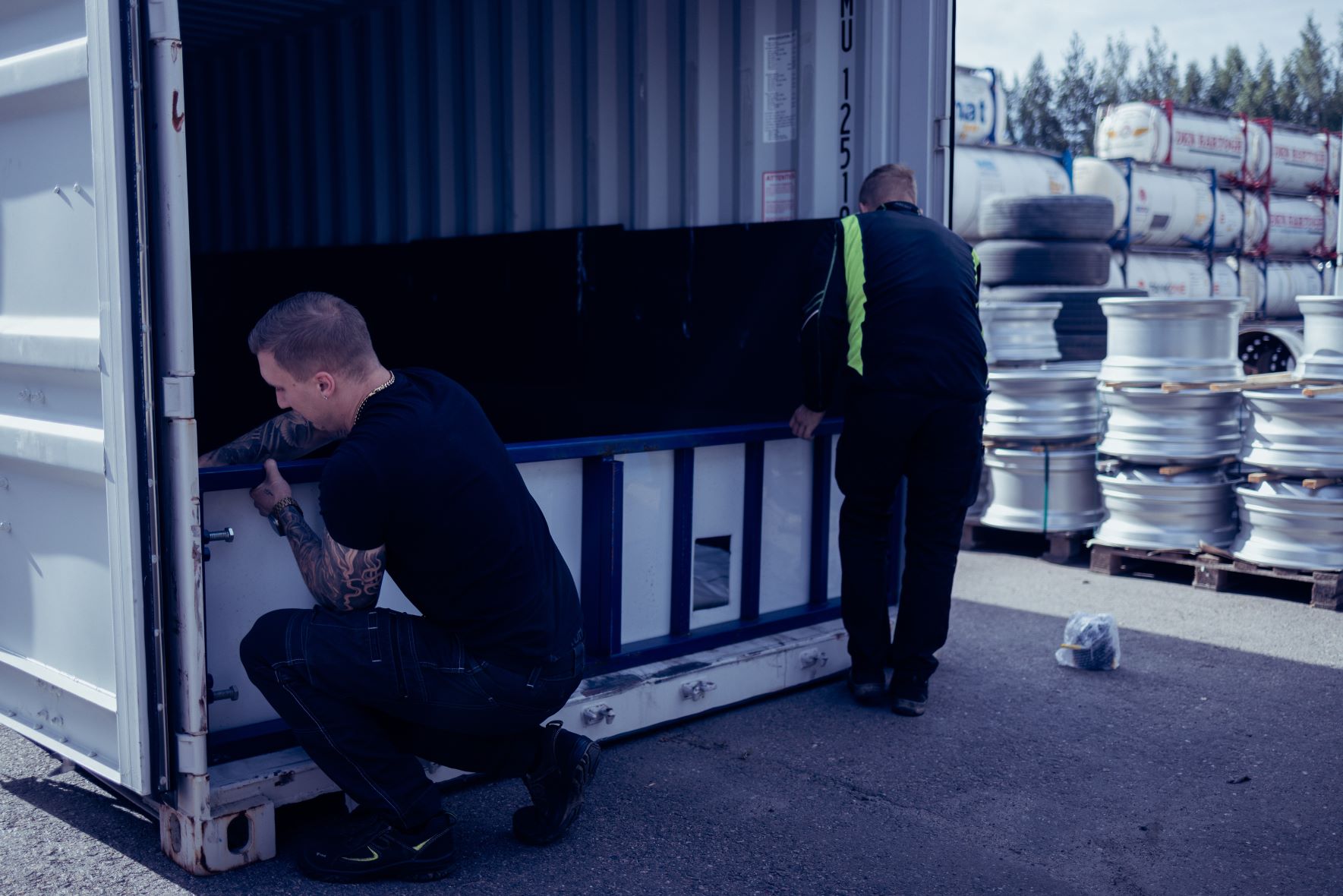
The operating principle is straightforward. The flexitank is fitted inside a standard 20-foot shipping container, where it expands to fill the available space as liquid is pumped in. This design transforms any regular shipping container into a liquid transport vessel without requiring permanent modifications.
During loading, the flexitank connects to pumping equipment through valves and fittings. The liquid fills the bag, which then maintains its shape throughout the journey. Upon arrival, the discharge process reverses this: pumps extract the liquid through the same valve system, and the empty flexitank can be recycled or disposed of properly.
How much liquid can a flexitank actually hold?
A flexitank can hold up to 27,000 litres of liquid cargo, making it suitable for substantial bulk shipments. This capacity represents a significant volume that works well for industrial-scale liquid transport requirements across global shipping routes.
To put this volume in perspective, 27,000 litres equals roughly 27 cubic metres of liquid, nearly filling the entire interior space of a standard 20-foot shipping container. This capacity makes flexitanks particularly attractive for companies that need to ship large quantities of non-hazardous liquids without investing in permanent tank infrastructure.
The practical implications for shipping operations are considerable. This volume allows businesses to consolidate liquid shipments efficiently, reducing per-litre transport costs compared with smaller container options. You can ship substantial quantities in a single container, which simplifies logistics coordination and documentation processes for international trade.
What’s the difference between flexitanks and ISO tanks for liquid transport?
Flexitanks and ISO tanks serve different cargo requirements and operational needs in liquid transport. Flexitanks work best for non-hazardous liquids and single-use applications, while ISO tanks handle hazardous materials and provide reusable transport solutions.
The fundamental difference lies in their construction and application scope. Flexitanks are disposable systems designed for one-way shipments of food-grade liquids, oils, and other non-dangerous cargo. ISO tanks are permanent steel containers built to transport chemicals, gases, and hazardous materials that require robust containment systems.
From an operational perspective, flexitanks offer flexibility for companies that do not need regular liquid transport services. You use them when needed without maintaining permanent equipment. ISO tanks provide reliability and scalability for businesses with consistent liquid shipping requirements, especially when handling specialised cargo that demands technical expertise and strict safety compliance.
Both solutions offer advantages depending on your specific transport needs. Flexitanks reduce capital investment and work well for occasional bulk liquid shipments. ISO tanks provide long-term value for companies with regular liquid transport requirements and complex cargo specifications.
Why do companies choose flexitanks for bulk liquid shipping?
Companies choose flexitanks primarily for their cost-efficiency and reliability in transporting non-hazardous bulk liquids. This transport method eliminates the need for permanent tank investments while providing flexible capacity for varying shipment volumes.
The cost advantages become apparent when you consider the complete shipping process. Flexitanks reduce handling complexity compared with drums or smaller containers, cutting labour costs and loading time. You do not need specialised terminal equipment or dedicated storage facilities, which keeps operational expenses manageable.
Flexitanks integrate seamlessly into global intermodal transport solutions, allowing end-to-end handling without cargo transfers between different container types. This compatibility with standard shipping containers means your liquid cargo moves through the same logistics networks as general freight, providing access to established shipping lines and routes worldwide.
The reliability factor matters significantly for supply chain planning. Flexitanks work with existing container shipping schedules, so you do not depend on specialised tank container availability or dedicated liquid transport services. This flexibility helps maintain consistent delivery schedules while keeping transport costs predictable and transparent.
Understanding how flexitanks operate helps you evaluate whether this transport method suits your bulk liquid shipping requirements. The combination of substantial capacity, cost-effectiveness, and operational flexibility makes flexitanks a practical choice for many international liquid transport needs. We specialise in flexitank logistics services, providing comprehensive solutions that cover everything from container fitting to final delivery, ensuring your bulk liquid shipments reach their destination safely and efficiently. For more information about how we can help with your specific requirements, please contact our shipping specialists.