When you’re shipping bulk liquids across international borders, you face a maze of logistical challenges. Different transport modes, varying regulations, and the need for safe cargo handling can quickly turn your supply chain into a complex puzzle. ISO tank container services offer a standardised solution that cuts through this complexity, providing a reliable way to move your liquid cargo from point A to point B, regardless of geography.
Understanding your options in bulk liquid transport helps you make informed decisions that affect your bottom line, delivery schedules, and cargo safety. This guide walks you through the fundamentals of ISO tank containers, how they handle different cargo types, their global transport advantages, and when they work better than alternatives like flexitanks.
What are ISO tank containers and why do they matter
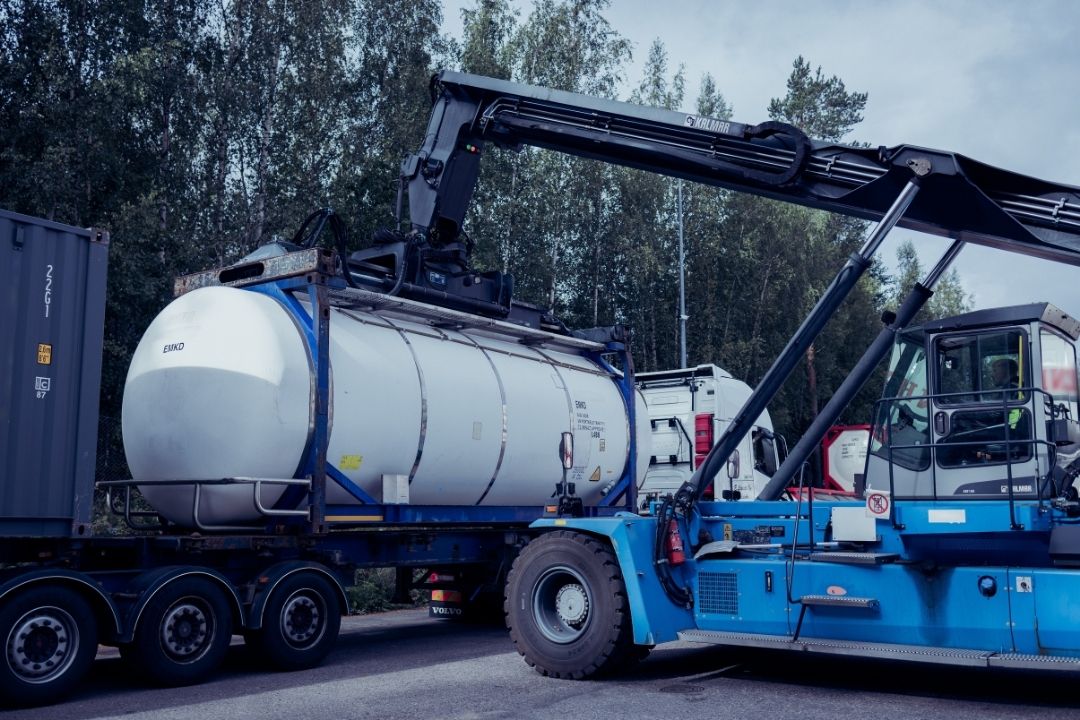
ISO tank containers are standardised steel containers designed specifically for transporting liquid and gas cargo. Built to International Organisation for Standardisation specifications, these tanks fit standard container handling equipment worldwide, making them compatible with trucks, trains, and ships without requiring special infrastructure.
The standardised design matters because it eliminates the guesswork from international shipping. Whether your cargo travels through Nordic ports, Baltic terminals, or global destinations, the same handling procedures apply. This consistency reduces delays, minimises handling errors, and ensures your cargo moves efficiently through different transport modes.
These containers feature robust construction with safety systems designed for various liquid types. The standardisation extends beyond physical dimensions to include safety features, connection points, and documentation requirements, creating a unified approach to bulk liquid transport that works across borders and transport networks.
How ISO tank containers handle different types of cargo
ISO tanks accommodate an impressive range of liquid and gas cargo types, from food-grade products to hazardous chemicals. The versatility comes from different tank specifications and internal coatings that match specific cargo requirements.
For food and beverage manufacturers, food-grade ISO tanks maintain hygiene standards throughout transport. These tanks feature specialised internal surfaces and cleaning protocols that prevent contamination and ensure your products meet quality standards at destination.
Chemical and industrial companies benefit from ISO tanks designed for hazardous materials. These containers include additional safety features, pressure management systems, and heating capabilities for high-temperature cargo. The robust construction handles corrosive substances whilst maintaining safety standards during transport.
Gas transport requires different specifications again, with pressure-rated tanks designed for liquefied gases. Each cargo type gets matched with appropriate tank specifications, ensuring compatibility between your product and the transport container.
Global transport advantages of ISO tank container services
Operating ISO tanks globally means you don’t need to worry about scheduled routes or managing logistics yourself. This service model removes the constraints of fixed shipping schedules that often limit bulk liquid transport options.
Intermodal capabilities represent a major advantage of ISO tank shipping solutions. Your cargo moves between trucks, trains, and ships without transferring the liquid itself. This reduces handling risks, prevents contamination, and speeds up transit times compared to traditional bulk transport methods.
The global equipment network ensures availability when and where you need it. Rather than being limited to specific routes or schedules, ISO tank container services adapt to your shipping requirements. This flexibility proves particularly valuable for Nordic and Baltic operations, where seasonal variations and port accessibility can affect traditional bulk shipping options.
Door-to-door capability eliminates intermediate storage and handling steps. Your cargo travels in the same container from loading to final delivery, reducing costs and minimising handling risks throughout the journey.
Choosing between ISO tanks and flexitanks for your cargo
The choice between ISO tanks and flexitanks depends on your specific cargo requirements and shipping needs. Flexitanks can hold up to 27,000 litres and work well for non-hazardous liquids that don’t require temperature control or special handling.
Flexitanks offer cost advantages for straightforward liquid transport. They fit inside standard containers and provide an economical solution for food-grade oils, beverages, and other non-hazardous liquids. The single-use nature eliminates cleaning costs and cross-contamination risks.
ISO tanks excel when you need temperature control, pressure management, or multiple discharge points. They handle hazardous materials that flexitanks cannot accommodate and provide better protection for high-value cargo. The reusable nature makes them cost-effective for regular shipments.
Consider your cargo characteristics when making this choice. Hazardous materials, temperature-sensitive products, and gases require ISO tanks. Non-hazardous liquids that travel at ambient temperature often work well with flexitanks, particularly for one-way shipments where return logistics aren’t a concern.
Tank container shipping Nordic operations benefit from both options, with the choice depending on your specific requirements. ISO tanks provide year-round reliability in challenging weather conditions, whilst flexitanks offer cost-effective solutions for seasonal cargo flows.
Understanding these transport options helps you select the right solution for your bulk liquid shipping needs. Whether you choose ISO tanks for their versatility and global compatibility, or flexitanks for their cost-effectiveness, the key lies in matching the solution to your cargo requirements and operational needs. At Transitainer Shipping, we operate both ISO tank containers and flexitank solutions globally, ensuring you get the right transport method for your specific cargo whilst maintaining the quality and reliability your business demands. Contact us today to discuss your requirements.