ISO tank container transportation provides a secure, standardized method for shipping liquid and gas chemicals worldwide. These specialized containers use robust construction and precise engineering to safely transport hazardous and non-hazardous chemical cargo through intermodal shipping networks. Understanding the process helps businesses choose the right transport solution for their chemical logistics needs.
What exactly are ISO tank containers and how do they work for chemical transport?
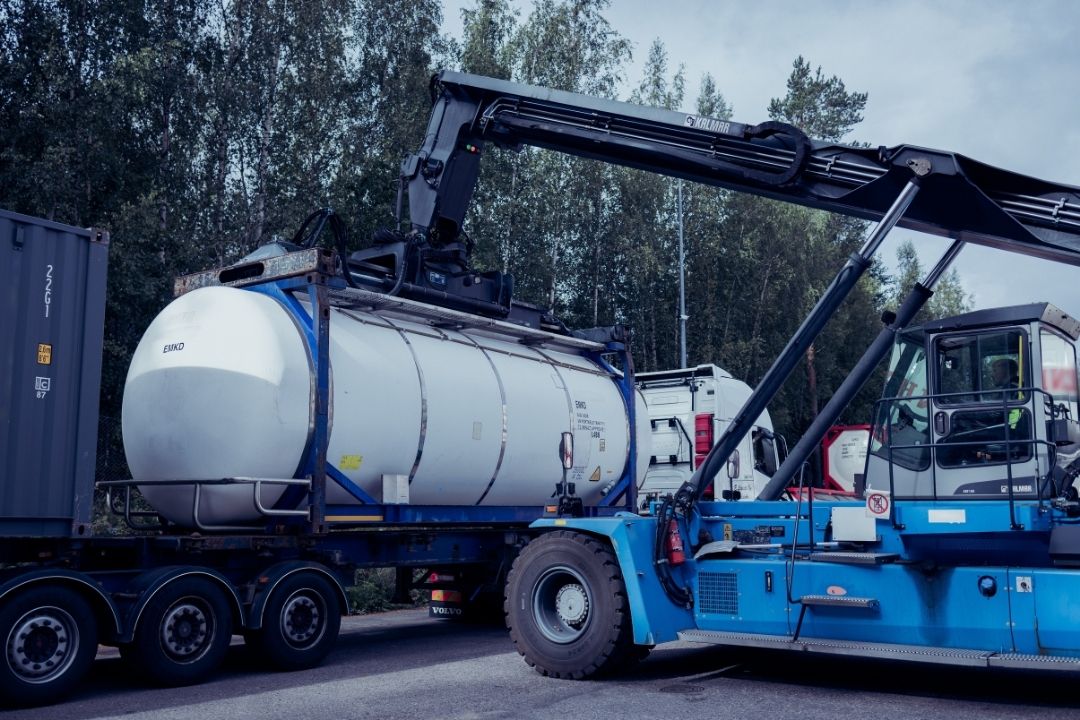
ISO tank containers are standardized cylindrical vessels built into steel frames that conform to international shipping container dimensions. They transport liquid and gas chemicals safely across multiple transport modes including ships, trucks, and railways without transferring the cargo between different containers.
The containers feature stainless steel construction with specialized linings that resist chemical corrosion and contamination. Standard dimensions of 20 feet allow them to fit seamlessly into existing container shipping infrastructure. The cylindrical tank sits within a protective steel frame that includes connection points for lifting, securing, and handling during transport operations.
Temperature control systems maintain product integrity for chemicals requiring specific storage conditions. Insulation and heating elements ensure temperature-sensitive cargo remains within required parameters throughout the journey. Pressure relief valves and safety systems protect against overpressure situations that could compromise container integrity.
Multiple connection points allow for efficient loading and unloading operations at chemical facilities worldwide. The standardized design means the same container can move from a chemical plant in one country to a processing facility on another continent without requiring specialized handling equipment at each location.
How does the loading and unloading process work for chemical shipments in tank containers?
Chemical loading begins with thorough container cleaning and inspection to ensure compatibility with the intended cargo. Operators connect specialized hoses and pumping systems to designated inlet valves, then pump liquid chemicals into the tank while monitoring pressure and temperature levels throughout the filling process.
Pre-loading preparation includes verifying the container’s cleaning certificate and conducting compatibility checks between the tank materials and chemical properties. Connection systems use standardized fittings that create secure, leak-proof seals during product transfer. Operators monitor fill levels using gauges and electronic systems to prevent overfilling.
Safety protocols require operators to wear appropriate protective equipment and follow specific procedures for each chemical type. Grounding systems prevent static electricity buildup during product transfer. Emergency shutdown systems allow immediate cessation of loading operations if safety concerns arise.
Unloading reverses the process using gravity discharge or pump systems depending on the chemical properties and facility requirements. Bottom discharge valves enable complete product evacuation, while top connections allow for pressurized unloading when necessary. Documentation throughout the process ensures proper handling records and regulatory compliance.
What safety measures and regulations apply to ISO tank container chemical transport?
International regulations classify chemical cargo according to hazard levels and specify corresponding safety requirements for tank container transport. These include proper labeling, documentation, emergency response procedures, and specialized handling protocols that vary based on the specific chemical properties and risk classifications.
Container certification requires regular inspections and testing to maintain transport authorization. Regulatory compliance involves multiple international standards including IMO (International Maritime Organization) codes for sea transport and ADR/RID regulations for road and rail movement. Each chemical requires specific placarding and documentation that travels with the container.
Emergency response procedures include detailed safety data sheets that outline proper handling methods and emergency contacts. Operators must understand chemical-specific risks and appropriate response measures for potential incidents. Communication systems ensure rapid response coordination between transport operators and emergency services.
Driver and operator training covers chemical handling procedures, emergency response protocols, and equipment operation specific to tank container transport. Regular recertification ensures personnel maintain current knowledge of safety requirements and regulatory changes affecting chemical transport operations.
What are the main advantages of using ISO tank containers versus other methods for chemical shipments?
ISO tank containers offer superior contamination prevention compared to bulk shipping methods because the product remains in the same sealed container throughout the entire journey. This eliminates transfer risks while providing cost efficiency through reduced handling requirements and global transport compatibility across multiple shipping modes.
Contamination prevention represents a major advantage since chemicals never contact external transfer equipment or temporary storage facilities. The sealed system maintains product purity from origin to destination. Reduced handling minimizes exposure risks and potential safety incidents during transport operations.
Global compatibility allows seamless movement through international shipping networks without requiring specialized infrastructure at every port or terminal. Standard container dimensions fit existing handling equipment, reducing costs and complexity for shippers and logistics providers.
Operational flexibility enables door-to-door delivery services that eliminate the need for intermediate storage or transfer facilities. This reduces total transport time and costs while providing better supply chain control. The reusable containers also offer environmental benefits compared to single-use packaging alternatives.
How do you choose the right type of tank container for different chemical products?
Tank container selection depends on chemical compatibility requirements, temperature control needs, and regulatory classifications specific to your product. Different lining materials, heating systems, and pressure capabilities match various chemical properties to ensure safe transport while maintaining product quality throughout the shipping process.
Chemical compatibility analysis examines how your product interacts with different tank materials and coatings. Compatibility requirements prevent chemical reactions that could damage the container or contaminate the product. Stainless steel grades and specialized linings accommodate different corrosivity levels and chemical families.
Temperature requirements determine heating and insulation specifications needed to maintain product integrity. Some chemicals require heating during transport to prevent solidification, while others need cooling systems to maintain stability. Insulation thickness and heating capacity match specific temperature control needs.
Regulatory classifications affect which tank specifications you can use for specific chemicals. Hazardous materials require containers with enhanced safety features and certification levels. Working with experienced operators helps ensure you select compliant equipment that meets all regulatory requirements for your chemical transport needs.
Choosing the right ISO tank container transportation solution requires understanding your specific chemical properties and regulatory requirements. The combination of safety, efficiency, and global compatibility makes tank containers an attractive option for chemical logistics. We specialize in tank container operations worldwide, managing the technical requirements and logistics coordination so you can focus on your core business operations.