Dry bulk containers play an important role in global supply chains, moving everything from food-grade granules to industrial powders across continents. But like any piece of freight equipment, they require consistent care to perform safely and reliably. If you work with dry bulk shipping solutions, understanding maintenance requirements helps you protect your cargo, avoid costly delays, and stay compliant with international transport standards.
Whether you are a supply chain manager, a commodity producer, or a logistics coordinator sourcing dry bulk container services, this guide walks you through what good maintenance looks like, how often it should happen, and who is responsible.
What are dry bulk containers and how are they used?
Dry bulk containers are freight containers specifically designed to transport loose, unpacked dry commodities such as granules, powders, and pellets. Unlike standard shipping containers, they are built to handle cargo that cannot be palletized or boxed, and they are loaded and discharged in bulk form. They are used across industries including food production, agriculture, and chemicals.
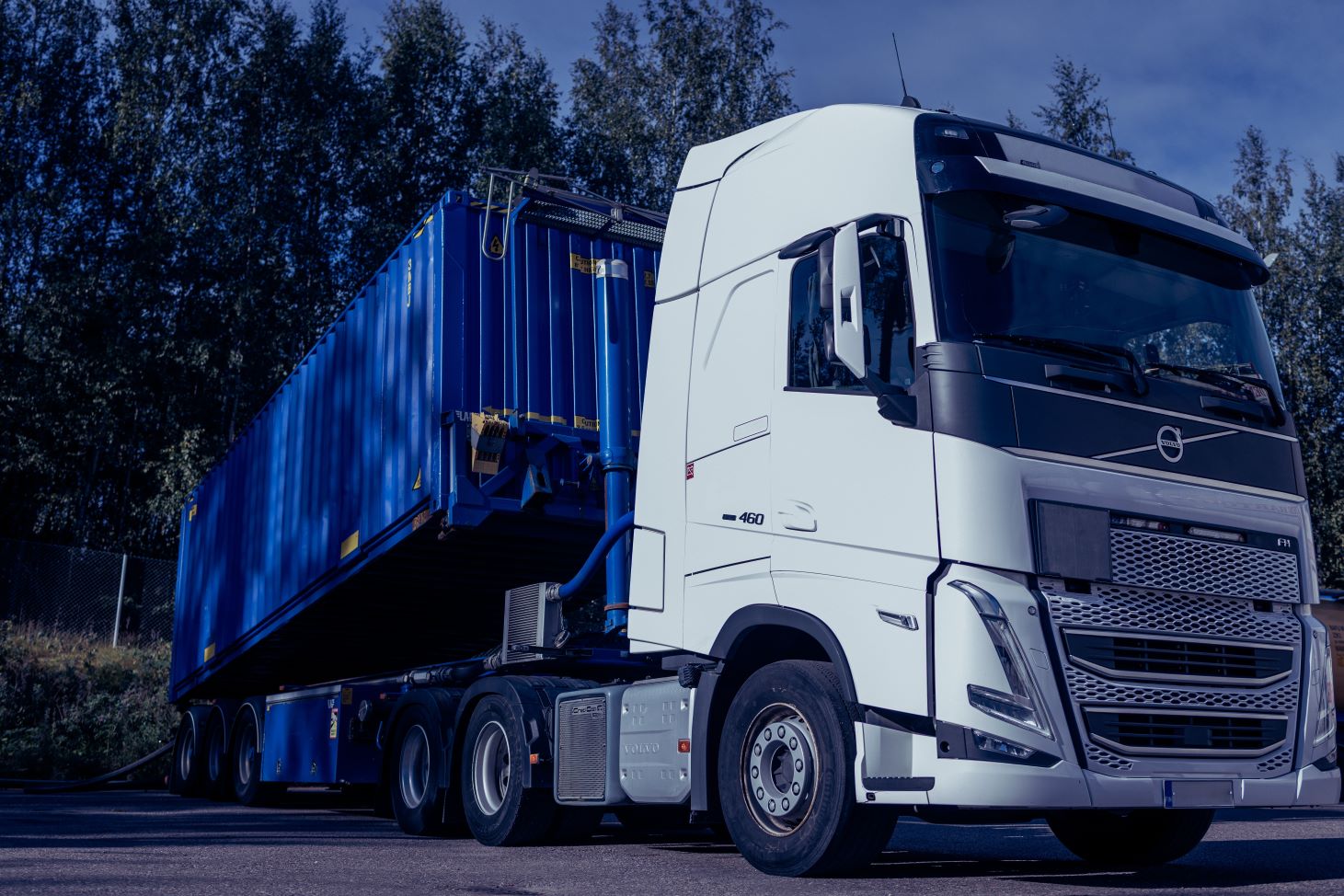
In dry bulk transport solutions, containers come in several configurations depending on the cargo type and destination. Standard bulk containers allow top loading and bottom discharge, while silo containers are designed for pressure-based loading and unloading. Liner bags are frequently used inside standard containers to protect food-grade or chemical granules from contamination and moisture. Tipping chassis and rotary valve systems support flexible inland delivery, including container-to-silo transfers, which are common in industrial and agricultural operations.
Because these containers handle loose materials that are sensitive to moisture, contamination, and structural damage, keeping them in good condition is not just a matter of equipment longevity. It directly affects cargo quality and safety.
Why does regular maintenance of dry bulk containers matter?
Regular maintenance of dry bulk containers matters because it protects cargo integrity, ensures safe handling, and keeps operations running without unexpected interruptions. A container that leaks, corrodes, or has damaged seals can contaminate a full load of food-grade or chemical cargo, resulting in significant financial loss and potential regulatory issues.
Dry bulk freight services operate across multiple modes of transport, often combining sea, road, and intermodal legs. Each transition exposes the container to different physical stresses, weather conditions, and handling environments. Without consistent upkeep, small issues such as hairline cracks in the container floor or worn door gaskets can escalate into serious problems mid-shipment.
From a compliance perspective, containers used in international dry bulk container shipping must meet standards set by bodies such as the International Maritime Organization and national customs authorities. Containers that fail inspection can be held at ports, delaying delivery and generating additional costs. Regular maintenance keeps your equipment compliant and your supply chain moving.
What are the key maintenance requirements for dry bulk containers?
The key maintenance requirements for dry bulk containers include structural inspection, cleaning, seal and gasket checks, ventilation assessment, and liner bag management. Each requirement targets a specific risk area, from physical damage to contamination, and together they ensure the container is fit for purpose before every shipment.
Structural and surface integrity
The container body, floor, and corner castings must be checked for corrosion, dents, cracks, and weld failures. The floor is particularly important in dry bulk transport because heavy or abrasive materials can wear it down over time. Any structural weakness can compromise load security and lead to cargo loss during transit.
Cleaning and contamination control
After each use, dry bulk containers must be thoroughly cleaned to remove residue from the previous cargo. This is especially important when containers are used for food-grade products or when switching between different commodities. Residue left in a container can contaminate the next load or attract moisture, leading to clumping or spoilage.
Door seals and gaskets
Door seals and gaskets prevent moisture ingress and cargo leakage. These components degrade with repeated use and exposure to temperature changes. Inspecting and replacing worn seals is a straightforward but important step in maintaining a watertight container.
Ventilation systems
Some dry bulk containers include ventilation to manage moisture inside the container during long voyages. Vents must be checked for blockages and damage to ensure they function correctly. Blocked vents can lead to condensation buildup, which damages moisture-sensitive cargo such as powders and granules.
Liner bag assessment
When liner bags are used, they must be inspected before loading to confirm they are free from holes, tears, or weak seams. A compromised liner bag can allow cargo to shift into the container structure, making unloading difficult and potentially damaging the container itself.
How often should dry bulk containers be inspected?
Dry bulk containers should be inspected before every shipment as a minimum standard. A pre-use inspection checks the most critical elements: structural condition, cleanliness, seal integrity, and any visible damage. In addition to these pre-shipment checks, containers require periodic in-depth inspections at defined intervals based on usage frequency and regulatory requirements.
Containers used in international dry bulk container logistics are typically subject to periodic examination programs, often on a two-and-a-half- or five-year cycle depending on the container type and the certifying body. These formal inspections go beyond visual checks and may include pressure testing and detailed structural assessment.
High-usage containers that complete multiple shipments per month warrant more frequent attention than those used occasionally. The nature of the cargo also influences inspection frequency. Containers carrying abrasive materials or chemicals may experience faster wear and should be checked more thoroughly between uses.
What are the most common dry bulk container defects to watch for?
The most common dry bulk container defects include floor damage, corroded panels, failed door seals, blocked or damaged vents, and liner bag failures. Catching these early prevents minor issues from becoming shipment-stopping problems.
- Floor damage: Cracks, holes, or excessive wear in the container floor are among the most frequent issues in dry bulk freight services. Abrasive cargo and repeated tipping can accelerate floor deterioration.
- Corrosion: Surface rust on the container walls, roof, or undercarriage can weaken structural integrity over time. Corrosion is especially common in containers that operate in humid or coastal environments.
- Seal failure: Worn or cracked door gaskets allow moisture to enter the container, which can damage cargo and lead to clumping or mold in food-grade products.
- Blocked vents: Dust and residue from previous loads can block ventilation openings, disrupting airflow and causing condensation to build up inside the container.
- Liner bag defects: Tears, pinholes, or poorly sealed seams in liner bags compromise cargo containment and can make unloading difficult.
- Damaged corner castings: Corner castings connect the container to lifting equipment and lashing systems. Damage here creates safety risks during loading, unloading, and transport.
Identifying these defects before a shipment departs is far more effective than discovering them at a port or during transit. A structured pre-use checklist helps ensure nothing is overlooked.
Who is responsible for maintaining dry bulk containers?
Responsibility for maintaining dry bulk containers depends on the ownership and service model in place. When a shipper owns the container outright, full maintenance responsibility falls on them. When containers are sourced through dry bulk container rental or a managed logistics service, the provider typically takes on maintenance obligations as part of the service agreement.
In practice, dry bulk transport providers who manage their own container fleets handle routine inspections, cleaning, repairs, and regulatory compliance on behalf of their customers. This arrangement removes a significant operational burden from the shipper, who can focus on their core business rather than tracking inspection schedules and managing repair workflows.
Even when a logistics provider manages the container, the shipper retains responsibility for reporting visible damage at the time of use and ensuring the cargo is loaded correctly to avoid unnecessary wear. Clear communication between shipper and provider at the handover point helps establish accountability and prevents disputes over damage liability.
Working with experienced dry bulk logistics providers who have technical expertise and established maintenance protocols gives you confidence that containers entering your supply chain meet the required standards before every shipment.
At Transitainer Shipping, we offer tailored dry bulk logistics solutions that combine technical expertise with a trusted partner network. Our services cover door-to-door transport using standard, bulk, and silo containers, supported by liner bag solutions for food-grade and chemical cargo, flexible inland transport with tipping chassis, and container-to-silo transfers. We also provide recycling solutions and technical support to help you manage your dry bulk shipments efficiently and safely. If you are looking for a reliable partner for dry bulk container services in the Nordics, the Baltics, or internationally, we would be glad to help — reach out to our team to discuss your shipping needs.