Managing bulk cargo shipments across borders involves a lot of moving parts. From the moment your product leaves the production facility to the point it arrives at its destination, there are trucks, terminals, vessels, customs procedures, and documentation to coordinate. For businesses shipping liquid, gas, or dry bulk commodities, this complexity can quickly become a distraction from core operations. That is where door-to-door bulk cargo logistics services come in.
Whether you are shipping food-grade liquids in flexitanks, chemicals in ISO tank containers, or dry granules in liner-bag containers, a well-structured door-to-door service removes the coordination burden from your team. This article walks you through what the service actually involves, what cargo it suits, and how to decide whether it is the right fit for your business.
What is door-to-door bulk cargo logistics?
Door-to-door bulk cargo logistics is a fully managed transport service in which a single provider handles every stage of the shipment, from collection at the origin facility to delivery at the final destination. This includes inland trucking, terminal handling, sea freight, customs clearance, documentation, and unloading, all coordinated under one contract.
Rather than managing separate vendors for trucking, freight forwarding, and port handling, you work with a single point of contact who takes responsibility for the entire chain. This model is particularly relevant for bulk cargo, where the cargo type, packaging method, and handling requirements demand specialist knowledge at every stage. A provider experienced in bulk logistics understands the specific requirements of tank containers, flexitanks, and dry bulk containers and builds the transport plan around those requirements from the start.
The door-to-door model also means that documentation, labeling, and customs procedures are managed as part of the service, not handed back to you at the border. For businesses operating internationally, this is one of the most practical advantages the model offers.
What types of bulk cargo can be shipped door to door?
Door-to-door bulk cargo logistics services cover three main cargo categories: liquid and gas cargo transported in ISO tank containers, non-hazardous bulk liquids transported in flexitanks, and dry bulk commodities transported in liner-bag or silo containers. Each category has its own handling requirements, and a specialist provider will have equipment and expertise across all three.
Liquid and gas cargo in ISO tank containers
ISO tank containers are used for chemicals, food-grade liquids, high-heat cargo, and gases. They are built to international standards, which makes them suitable for intermodal transport across road, rail, and sea. For businesses shipping sensitive or hazardous liquids, ISO tanks offer containment, traceability, and compatibility with global terminal infrastructure.
Non-hazardous bulk liquids in flexitanks
Flexitanks are single-use or recyclable flexible bladders fitted inside standard 20-foot shipping containers. With a capacity of up to 27,000 litres, they offer a cost-effective alternative to ISO tanks for non-hazardous liquids such as food-grade oils, syrups, and beverages. Flexitank logistics includes fitting, loading support, temperature-controlled storage where needed, cross-pumping, and recycling programs.
Dry bulk commodities
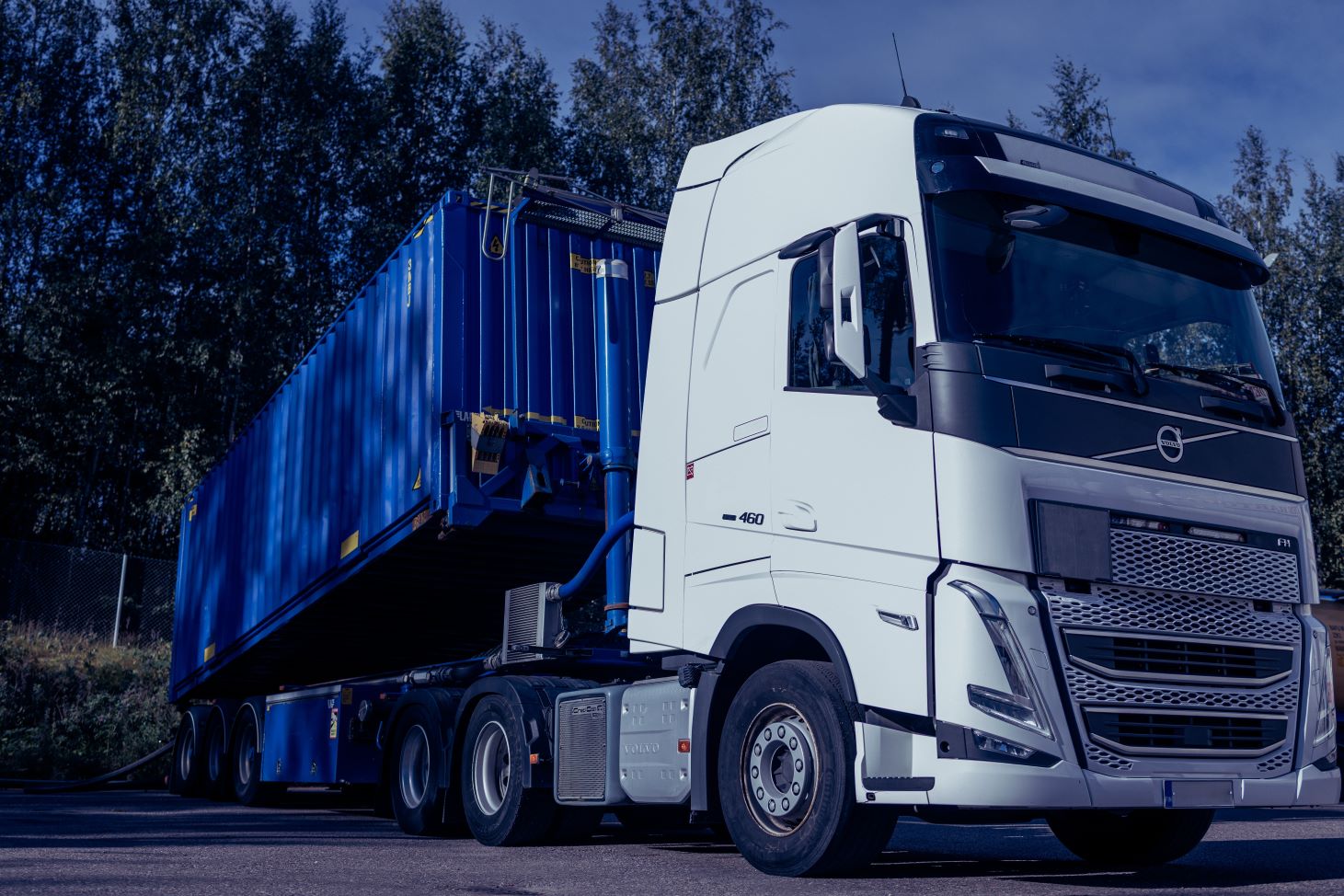
Dry bulk cargo such as chemical granules, food-grade powders, and agricultural commodities can be transported using liner bags inside standard containers, bulk containers, or silo containers. Door-to-door dry bulk services include container-to-silo transfers, SDU deliveries via rotary valve systems, and flexible inland transport with tipping chassis.
What are the main benefits of door-to-door bulk cargo logistics?
The main benefits of door-to-door bulk cargo logistics are simplified coordination, reduced operational risk, faster problem resolution, and cost transparency. Instead of managing multiple vendors across different legs of the journey, you deal with one provider who owns the entire process and is accountable for the outcome.
Coordination is one of the biggest hidden costs in international bulk shipping. When trucking, sea freight, and customs are handled by separate parties, information gaps and handover delays are common. A door-to-door provider eliminates those gaps because all stages are planned together from the beginning. This is especially useful for time-sensitive cargo or shipments that cross multiple borders.
Cost transparency is another practical benefit. When services are bundled, pricing reflects the full scope of work rather than accumulating as separate invoices from different vendors. This makes budgeting more predictable and reduces the risk of unexpected charges appearing at later stages of the shipment.
For businesses shipping bulk liquids or dry commodities to or from the Nordics and Baltics, working with a provider that operates locally but has a global network means you get regional expertise without sacrificing international reach. Local knowledge of terminal procedures, customs requirements, and inland transport routes makes a measurable difference in execution speed and reliability.
How does door-to-door bulk cargo transport actually work?
Door-to-door bulk cargo transport works by combining inland trucking, sea freight, terminal handling, and customs clearance into a single managed service. The provider plans the full route, books the equipment, coordinates each handover point, and manages documentation throughout, so the shipment moves from origin to destination without you needing to intervene between stages.
From collection to vessel loading
The process starts with collection at your facility or a designated loading point. For liquid cargo, this involves positioning the right container, whether an ISO tank or a flexitank-fitted dry container, and coordinating loading or fitting support. For dry bulk, it includes positioning liner-bag containers or silo containers and arranging filling equipment where needed. Once loaded, the container moves to the port terminal for vessel booking and documentation.
Sea freight and transit
During the sea freight leg, the provider manages vessel booking, container tracking, and any intermediate handling at transit ports. For businesses shipping to or from the Nordics and Baltics, intermodal routes are often the most efficient option, combining sea freight with road or rail connections to reach inland destinations.
Arrival, customs, and final delivery
At the destination, the provider handles customs clearance, terminal handling, and final delivery by truck. For bulk liquids, this may include unloading support or cross-pumping. For dry bulk, it can involve container-to-silo transfers or tipping chassis deliveries. The full cycle closes when the cargo reaches the agreed delivery point and the container is returned or recycled.
When should a business choose door-to-door over port-to-port shipping?
A business should choose door-to-door bulk cargo logistics over port-to-port shipping when it lacks in-house logistics capacity, ships to or from locations without established carrier relationships, or when the cargo type requires specialist handling that a general freight forwarder cannot reliably provide. Port-to-port works when you have strong local partners at both ends and the internal resources to manage them.
For businesses that ship bulk cargo infrequently or to varied destinations, building and maintaining those local partner relationships is not always practical. A door-to-door provider absorbs that complexity as part of the service. This is particularly relevant when shipping involves hazardous materials, food-grade products, or cargo with specific temperature or handling requirements, where errors at any single stage can affect the entire shipment.
Port-to-port shipping can appear cheaper on paper because you are only paying for one leg of the journey. But when you factor in the time your team spends coordinating the remaining legs, the risk of misaligned documentation, and the cost of delays caused by handover gaps, the total cost of port-to-port shipping often exceeds the all-in price of a well-run door-to-door service.
How do you choose the right door-to-door bulk logistics provider?
To choose the right door-to-door bulk logistics provider, look for a company with hands-on experience in your specific cargo type, a genuine presence in the regions you ship to and from, and the ability to handle the full chain, including customs, documentation, and specialist equipment. General freight forwarders can move containers, but bulk cargo requires specific technical knowledge.
Start by checking whether the provider has direct experience with your cargo category. A company that handles ISO tank containers, flexitanks, and dry bulk as core services will approach your shipment differently than one that treats bulk cargo as an occasional add-on. Ask about their equipment base, their depot network, and how they handle cleaning, maintenance, and recycling for reusable containers.
Regional coverage matters as much as global reach. If you ship to or from the Nordics or Baltics, a provider with established local operations, terminal relationships, and customs knowledge in those markets will deliver more reliable outcomes than one managing the region remotely. At the same time, you want a provider with a strong global network for the sea freight and international legs.
Finally, look at how they handle documentation and customs. Smooth import and export customs clearance is not a given, and providers that treat it as a core competency rather than a side task are far more likely to keep your shipments moving without unnecessary delays.
At Transitainer Shipping, we offer door-to-door bulk cargo logistics services across ISO tank containers, flexitanks, and dry bulk, with direct operations in the Nordics and Baltics and a global network for international shipments. We manage the full chain, from collection and loading through sea freight and customs to final delivery, so you can focus on your business rather than your logistics. If you are ready to simplify your bulk cargo operations, reach out to our logistics team to discuss your specific cargo needs and find the right solution.