Unloading a flexitank correctly comes down to using the right equipment, following a structured discharge sequence, and keeping safety front of mind throughout. The process is straightforward when the team on the ground is well-prepared, but skipping steps or rushing the discharge can lead to spills, product loss, or damage to the container. This article walks through everything you need to know, from equipment and step-by-step procedure to common mistakes, timing, safety, and what to do once the tank is empty.
What equipment do you need to unload a flexitank?
To unload a flexitank, you need a pump capable of handling the product’s viscosity, suitable hoses and fittings that match the flexitank’s outlet valve, a receiving tank or storage vessel, and appropriate personal protective equipment for the cargo type. For thicker or more viscous liquids, a dedicated transfer pump with a sufficient flow rate is essential.
The standard flexitank outlet is a butterfly valve or a cam-and-groove fitting, so your hose connections must match the specific valve type used on the bag. Before discharge begins, confirm you have:
- A centrifugal or peristaltic pump suited to the liquid’s viscosity and chemical compatibility
- Food-grade or chemically resistant hoses, depending on the cargo
- A drip tray or containment berm positioned under the container door
- A pressure gauge or flow monitoring if the receiving system requires it
- PPE including gloves, eye protection, and, where relevant, chemical-resistant clothing
For heated or temperature-sensitive products, you may also need heating equipment to bring the liquid to a pumpable viscosity before discharge begins. Working with an experienced flexitank logistics provider means you get guidance on exactly which equipment configuration suits your specific cargo, reducing the risk of costly improvisation on the day.
How does the flexitank unloading process work, step by step?
Flexitank unloading follows a sequential process: inspect the container on arrival, position it correctly, connect the pump and hoses to the outlet valve, open the valve gradually, pump the liquid into the receiving vessel, and manage the final emptying phase carefully to recover as much product as possible.
Here is the full sequence broken down:
- Inspect the container and flexitank before opening the doors. Check for any signs of leakage, damage to the door restraint system, or unusual pressure against the doors.
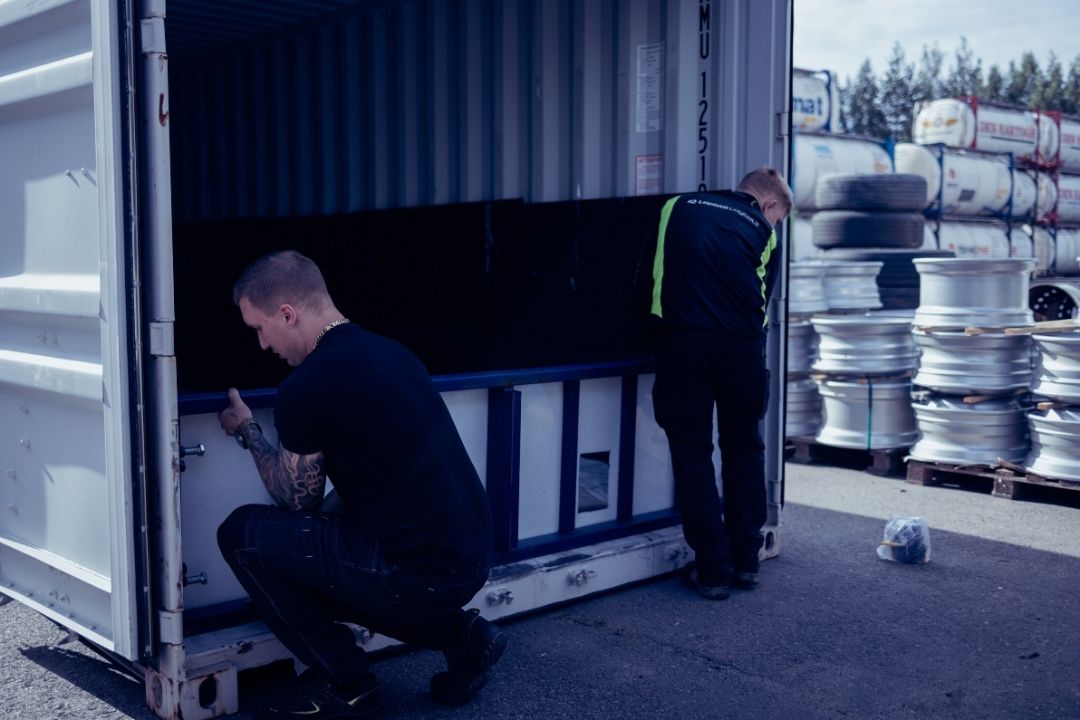
- Open the container doors carefully. Flexitanks hold up to 24,000 liters of liquid, so the hydrostatic pressure against the doors can be significant. Open one door slowly and stand to the side.
- Connect the pump and hoses to the outlet valve at the base of the flexitank. Ensure all connections are secure and leak-free before proceeding.
- Open the outlet valve gradually and start the pump at a low flow rate to confirm the system is working correctly before increasing speed.
- Monitor the discharge continuously. Watch for hose stress, connection integrity, and the receiving vessel’s fill level throughout the process.
- Manage the final emptying phase. As the flexitank empties, the bag will collapse. Tilt the container slightly if possible, or use a squeegee board against the bag to push residual liquid toward the outlet.
- Close the valve and disconnect hoses once discharge is complete, then prepare the empty bag for disposal or recycling.
What are the most common flexitank unloading mistakes?
The most common flexitank unloading mistakes are opening container doors without checking for pressure buildup, using pumps or hoses incompatible with the cargo, rushing the final emptying phase and leaving significant product residue, and failing to position containment equipment before starting discharge.
Each of these mistakes carries real consequences. Opening doors too quickly on a full flexitank can cause the bag to burst outward, resulting in product loss and a serious safety hazard. Using chemically incompatible hoses risks contamination of the cargo or degradation of the hose itself mid-transfer.
Neglecting the final emptying phase is one of the most commercially damaging errors. A flexitank can hold up to 27,000 liters, so even a small percentage of unrecovered product represents a meaningful financial loss. Taking time to tilt the container or manually work residual liquid toward the outlet pays off directly.
Another frequent oversight is skipping the pre-discharge inspection. Damage to the flexitank during transit, even minor punctures, can escalate rapidly once the outlet valve is opened and the bag is under pump suction. A two-minute visual check before connecting equipment prevents most of these incidents.
How long does it take to fully unload a flexitank?
A standard flexitank discharge takes between two and four hours for a full load of a low-to-medium viscosity liquid, using a correctly sized pump. Highly viscous products, heated cargoes, or situations requiring product heating before discharge can extend this to six hours or more.
Several factors influence total unloading time:
- Product viscosity: Water-thin liquids discharge quickly; thick oils, syrups, or concentrates take considerably longer and may require heating.
- Pump capacity: An undersized pump will extend discharge time significantly and may not clear residual product efficiently.
- Ambient temperature: Cold conditions increase viscosity for many products, slowing flow rates unless heating is applied.
- Final emptying method: Recovering the last few hundred liters from a collapsed bag takes additional time and care.
Planning for the realistic upper end of the time range avoids scheduling pressure that leads to shortcuts and incomplete discharge.
What safety precautions apply during flexitank discharge?
During flexitank discharge, the key safety precautions are: never stand directly in front of container doors when opening, use appropriate PPE for the specific cargo, position spill containment before connecting any hoses, and ensure the receiving vessel has sufficient capacity before discharge begins.
For non-hazardous food-grade liquids, safety requirements are relatively straightforward. For chemical cargoes, even non-hazardous ones, the precautions become more specific. Always consult the Safety Data Sheet for the product being discharged and ensure all personnel involved are familiar with the emergency response procedure for that cargo. If you are unsure about the right approach for your specific product, Contact us to speak with a specialist before discharge begins.
Ground stability matters too. The container should be on a firm, level surface during discharge. A container that shifts or tilts unexpectedly during pumping can stress hose connections and cause disconnections. Chocking the wheels of the transport chassis before starting is a simple but important step.
Ventilation is another consideration, particularly for products that release vapors. Ensure the discharge area is adequately ventilated and that personnel are not working in an enclosed space where vapor accumulation is possible.
What should be done with a flexitank after unloading is complete?
After unloading, the empty flexitank bag should be removed from the container, deflated, folded, and disposed of or recycled through an appropriate program. The container interior should be inspected for residue or damage before the unit is returned to service or cleaned.
Flexitanks are generally single-use, meaning the bag is not refilled after discharge. Responsible disposal is important from both a regulatory and environmental standpoint. Many flexitank providers, including us at Transitainer Shipping, operate recycling programs specifically for used flexitank bags, diverting this material from landfill and ensuring it is processed correctly. You can learn more about our flexitank services and solutions to understand the full scope of support available.
Once the bag is removed, inspect the container floor and walls for any residue that may have leaked during discharge. If residue is present, the container will need cleaning before it can carry another cargo. Document the condition of the container on return so that any damage attributable to the flexitank fitting or cargo can be identified clearly.
Returning the container promptly and in good condition is also a practical commercial consideration. Delays in returning equipment affect availability across the supply chain, particularly for businesses relying on consistent flexitank container services on regular trade lanes. Understanding how flexitank shipping companies differ from regular freight companies can also help businesses make more informed decisions when selecting a provider for their liquid cargo needs.
This content was generated with the help of AI — it may contain mistakes