Choosing the right bulk liquid transport service can make or break your supply chain efficiency. Whether you’re moving chemicals, food-grade liquids, or other bulk cargo, the transport method you select directly affects costs, safety, and delivery reliability. This guide walks you through the main considerations when evaluating bulk liquid transport services, from understanding different transport solutions to selecting a partner who can handle your specific requirements. You’ll learn how to match your cargo to the right equipment, what makes global tank container operations different, and how to assess service quality for long-term success.
What makes bulk liquid transport different from standard shipping
Transporting liquid cargo requires a different approach compared to moving palletised goods or standard freight. Liquids need specialised containment to prevent leaks, contamination, and damage during transit. The equipment must handle the cargo’s specific properties, whether that’s temperature sensitivity, chemical composition, or food safety requirements.
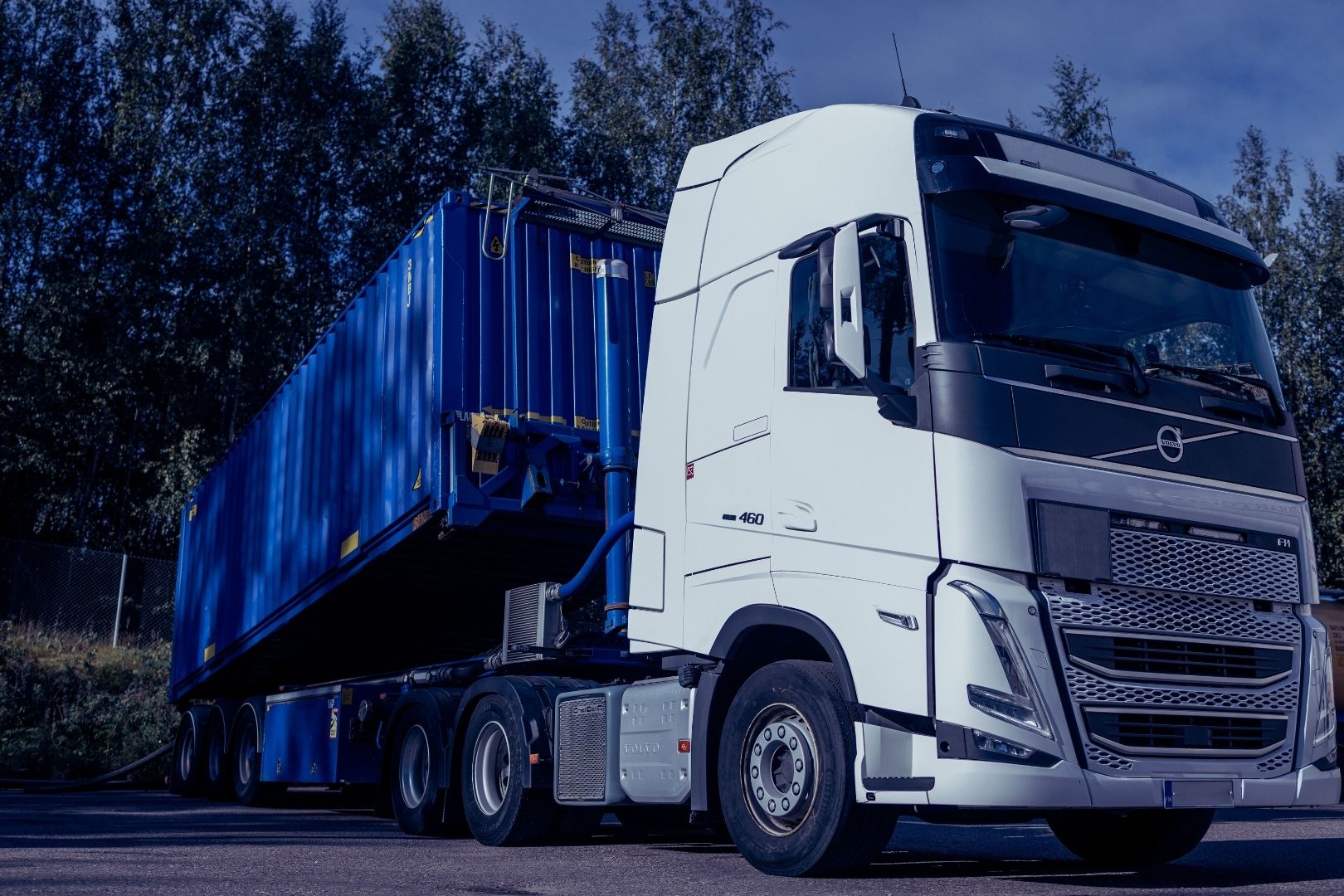
Bulk liquid transport services use dedicated equipment designed specifically for liquid cargo. This includes tank containers and flexitanks, each engineered to keep your product secure throughout the journey. The handling procedures differ too. Loading and unloading liquid cargo involves pumping systems, temperature controls, and cleaning protocols that standard freight simply doesn’t require.
Gas cargo adds another layer of complexity, requiring pressurised containers and specialised safety measures. Dry bulk materials, whilst not liquid, share some similarities in that they also need containment solutions that prevent spillage and contamination. The main takeaway is that bulk cargo transportation demands equipment and expertise that goes beyond conventional shipping methods.
ISO tanks vs flexitanks: which solution fits your cargo
When you’re selecting a bulk liquid transport service, you’ll typically choose between two main solutions: ISO tank containers and flexitanks. Each serves different cargo types and operational needs.
Flexitanks work well for non-hazardous liquids and can hold up to 27,000 litres. They offer a cost-efficient option for one-way shipments of products like food-grade oils, syrups, or non-hazardous chemicals. The setup is relatively straightforward, and they’re particularly useful when you need flexibility in your transport planning without long-term equipment commitments.
ISO tanks provide advantages for global-scale operations, especially when you’re transporting hazardous materials, gases, or cargo requiring precise temperature control. These containers are reusable, making them suitable for regular shipments and complex supply chains. They’re built to handle more demanding cargo specifications and can move between sea, road, and rail transport modes without transferring the liquid itself.
The choice between these solutions depends on your cargo characteristics, shipping frequency, and operational requirements. Rather than focusing solely on technical specifications, think about what matters most for your business: flexibility, reliability, and scalability. A transport provider who manages their own tank equipment can optimise routes, maintain consistent quality standards, and adapt quickly to your specific needs.
Why global tank container operators matter for your supply chain
Working with operators who manage tank containers on a global scale offers distinct advantages over relying on scheduled shipping routes. When a provider operates their own tank container fleet worldwide, you don’t need to worry about coordinating multiple logistics partners or managing equipment yourself.
This operational model enables seamless, end-to-end handling of your bulk liquid shipments. Instead of your cargo moving according to fixed schedules that might not align with your production cycles, global operators can adapt routes and timing to fit your operational needs. They handle the entire journey from origin to destination, which reduces coordination hassles and potential delays.
Route optimisation becomes more effective when one operator controls the entire transport chain. They can adjust to port congestion, find alternative pathways, and respond to your changing requirements without you having to renegotiate with multiple service providers. Quality control remains consistent because the same team oversees your cargo throughout its journey, using standardised procedures and equipment maintained to uniform specifications.
This approach provides both efficiency and peace of mind. You get a single point of contact who understands your cargo requirements and can make decisions quickly when situations change. For tank container transport services, this operational structure often translates to more predictable costs and fewer unexpected complications.
What to look for in a bulk liquid logistics partner
Selecting the right bulk liquid transport service requires evaluating several practical factors beyond basic shipping capabilities. Look for providers who offer end-to-end logistics support, not just point-to-point transport. This means they can handle everything from initial pickup through to final delivery, including any intermediate steps your cargo might require.
Intermodal transport expertise matters significantly. Your cargo might need to move by sea, then road, and possibly rail. A partner experienced in coordinating these different transport modes can keep your shipment moving smoothly without gaps in service or unnecessary delays. This becomes particularly important when shipping to or from regions with complex transport infrastructure.
Freight forwarding and customs services integration makes a real difference, especially for international shipments. When your transport provider can also handle documentation, customs clearance, and regulatory compliance, you avoid the complications of coordinating separate service providers. This integrated approach typically results in faster processing and fewer administrative headaches.
Transparency in costs helps you plan budgets accurately. Look for partners who explain how their pricing relates to the service model they provide. For tank container logistics, pricing often reflects the comprehensive operational support included, from equipment management to route optimisation. Understanding this connection helps you compare options fairly.
Operational standards reveal how a provider approaches their work. Ask about their handling procedures, safety protocols, and quality control measures. Partners who can manage complex supply chains with specialised cargo demonstrate the flexibility you’ll need when requirements change or unexpected situations arise.
How to evaluate service quality and reliability
Assessing a bulk liquid transport service’s quality requires looking beyond marketing claims to understand their actual operational capabilities. Technical expertise shows up in how providers discuss your specific cargo requirements. Can they explain the handling procedures for your product type? Do they understand the regulatory requirements for your industry?
Safety standards provide insight into operational maturity. Providers with established safety protocols, regular equipment maintenance programmes, and documented handling procedures demonstrate the systematic approach needed for reliable service. This becomes particularly important for sensitive cargo that requires careful handling throughout the journey.
Customer focus appears in how responsive and adaptable a provider is to your needs. Do they offer solutions tailored to your situation, or do they try to fit every customer into the same service template? The best partnerships develop when providers take time to understand your operational challenges and design transport solutions accordingly.
Long-term partnerships built on trust and collaboration often deliver better results than transactional relationships. Look for providers who view themselves as an extension of your supply chain rather than just a service vendor. This mindset typically leads to more proactive communication, better problem-solving, and consistent service delivery over time.
For food-grade cargo, ask specifically about hygienic transport procedures, cleaning protocols between loads, and temperature control capabilities. These details matter significantly for maintaining product quality and meeting regulatory requirements. Providers experienced in food-grade logistics understand these nuances and can demonstrate their compliance measures.
When you’re evaluating bulk liquid transport services, remember that the lowest price doesn’t always represent the best value. Consider the total cost of working with a provider, including the time you’ll spend managing the relationship, the reliability of their service, and their ability to handle complications when they arise. Quality and reliability in tank container transport services often justify higher costs through reduced delays, fewer damaged shipments, and simpler operational coordination.
At Transitainer Shipping, we specialise in bulk cargo transportation across the Nordics, Baltics, and globally. We operate tank containers worldwide, which means you don’t need to manage logistics yourself or worry about scheduled routes. Our services cover ISO tanks for liquid and gas cargo, flexitanks for non-hazardous liquids, and dry bulk solutions, all supported by freight forwarding and customs services. We focus on building partnerships based on collaboration, transparency, and consistent quality, providing the technical expertise and operational flexibility your supply chain needs. Contact us to discuss your requirements.