Switching from drums and IBCs to flexitank transport is one of those decisions that can quietly transform your bulk liquid supply chain. If you are shipping large volumes of non-hazardous liquids and still relying on dozens of drums or several IBCs per shipment, it is worth asking whether that approach still serves your business well. This article walks you through the practical questions companies ask before making the switch, so you can assess whether flexitank shipping is the right fit for your cargo and your operation.
What is a flexitank, and how does it work for bulk liquid transport?
A flexitank is a large, flexible bladder made from food-grade or industrial-grade polyethylene film that is installed inside a standard 20-foot shipping container. It can hold up to 27,000 litres of liquid cargo, turning a dry container into a cost-effective bulk liquid transport unit. Once filled, the container is sealed and shipped like any standard container, with no special equipment required at the port.
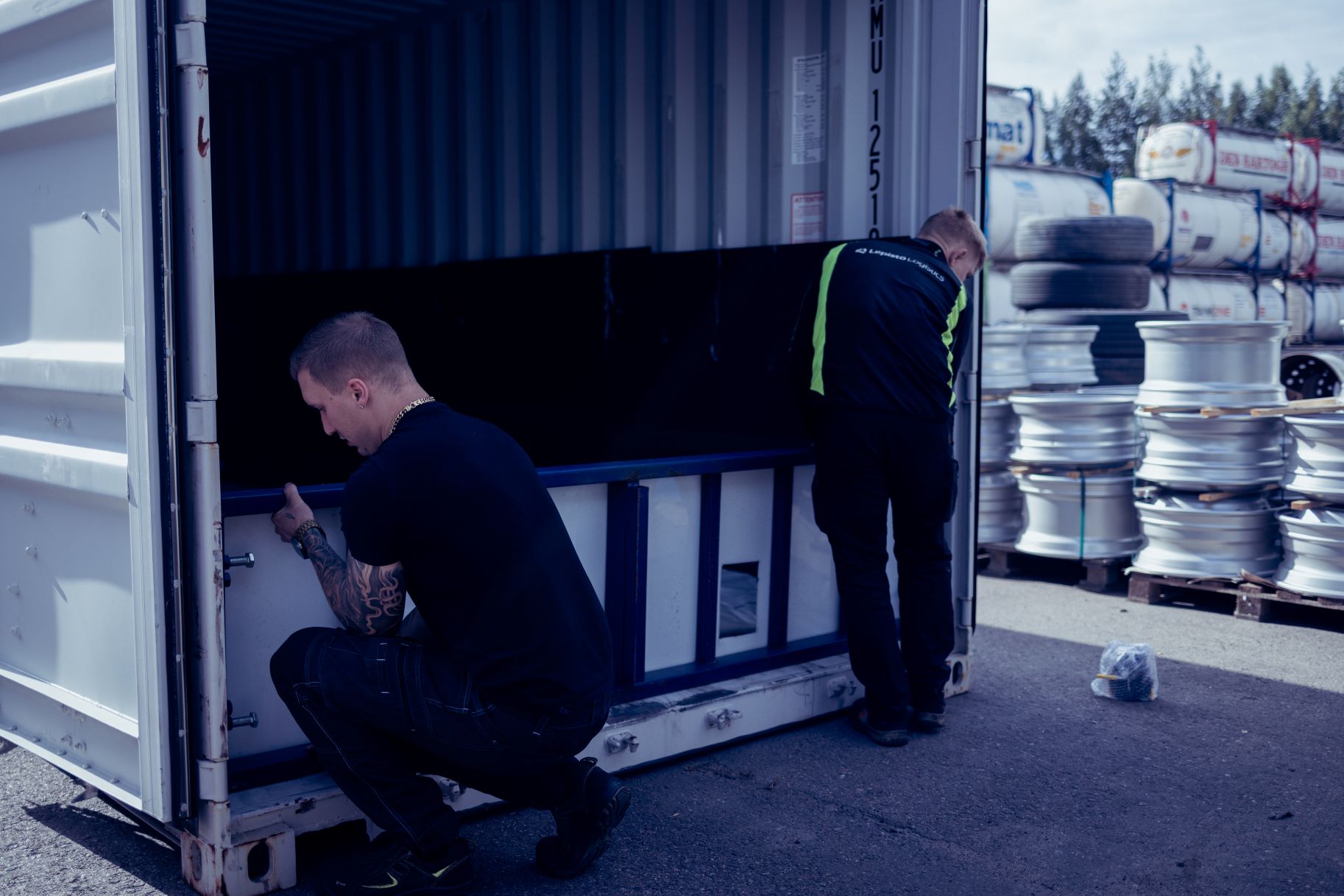
The installation process is straightforward. A flexitank is fitted inside a clean container at a depot or loading site, connected to a filling valve, and loaded with liquid cargo using a pump. At the destination, the same process works in reverse. Because flexitanks are single-use, there is no cleaning cycle between shipments, which removes a significant operational step compared with reusable packaging formats.
What makes flexitanks practical for bulk liquid logistics is their compatibility with the global container shipping network. You use the same containers, the same vessels, and the same port infrastructure that moves standard freight. This means your liquid cargo can reach virtually any destination that handles containerised trade, without requiring dedicated tank fleets or specialist terminals.
What are the main differences between flexitanks, drums, and IBCs?
The main difference lies in volume, handling complexity, and cost per litre shipped. Drums typically hold around 200 litres and IBCs around 1,000 litres, meaning a single 20-foot container fitted with a flexitank replaces up to 135 drums or 27 IBCs. This consolidation reduces labour, packaging material, and per-unit handling costs significantly for high-volume shipments.
Packaging and reuse
Drums and IBCs are reusable, which can seem economical at first. However, reuse comes with cleaning, inspection, reconditioning, and return-logistics costs that add up quickly over time. Flexitanks are single-use, which eliminates those cycles. Responsible suppliers offer recycling programmes for used flexitanks, reducing the environmental footprint of the single-use model.
Handling and labour
Moving drums and IBCs requires forklifts, pallet space, and manual handling at multiple points in the supply chain. A flexitank-filled container moves as a single unit from origin to destination, reducing touchpoints. Fewer touchpoints generally means fewer opportunities for damage, contamination, or loss during transit.
Cargo integrity
Drums and IBCs expose cargo to more handling, which increases the risk of leaks, contamination, or mislabelling across a large number of individual units. A flexitank keeps the entire shipment in one sealed environment, which supports cargo integrity for sensitive non-hazardous liquids throughout the journey.
When does switching from drums or IBCs to flexitanks make financial sense?
Switching to flexitank transport makes financial sense when you are regularly shipping volumes above roughly 14,000 to 16,000 litres per shipment and your cargo qualifies as non-hazardous. Below that volume threshold, the cost advantages of consolidation are less pronounced. Above it, the savings on packaging, labour, and freight typically outweigh the cost of the flexitank itself.
The financial case strengthens further when you factor in the full cost of your current packaging model. Drums and IBCs carry purchase or rental costs, cleaning and reconditioning fees, return freight, and storage costs for empty units. When you add these together across a year of regular shipments, the comparison with flexitank transport often shifts significantly in favour of the flexible bulk option.
Freight efficiency is another factor. A 20-foot container loaded with a flexitank carries far more product than the same container packed with drums or IBCs, because drums and IBCs leave dead space that you pay to ship. Maximising container utilisation directly reduces your cost per litre transported, which matters especially for companies managing tight margins on commodity liquids.
What types of cargo are suitable for flexitank shipping?
Flexitanks are suitable for non-hazardous bulk liquids that do not require pressurised or temperature-controlled transport under standard conditions. Common cargo types include food-grade oils, syrups, wine, fruit juices, liquid fertilisers, non-hazardous chemicals, and similar products. The cargo must be compatible with the flexitank’s polyethylene lining and must fall within non-hazardous classifications under international transport regulations.
Food and beverage companies are frequent users of flexitank logistics and bulk cargo services because food-grade flexitanks provide a clean, sealed environment for liquid ingredients without the contamination risks associated with reused packaging. Industrial and agricultural companies also use flexitanks for products like latex, glycerine, and liquid animal feed.
Cargo that does not suit flexitanks includes hazardous chemicals classified under dangerous goods regulations, highly viscous products that cannot be pumped efficiently, and cargoes requiring heating during transport. For those needs, ISO tank containers are the more appropriate solution, as they are built for hazardous, heated, or pressurised cargo with the structural and regulatory specifications those products require.
What are the risks of flexitank transport, and how are they managed?
The main risks in flexitank transport are leakage, overfilling, and container damage. These risks are manageable with proper equipment, correct installation, and experienced handling. Choosing a high-quality flexitank from a reputable supplier and ensuring it is fitted by trained personnel at a certified depot are the two most important steps in risk prevention.
Leakage and overfilling
Leakage most often results from poor installation, overfilling beyond the flexitank’s rated capacity, or using a flexitank that is not rated for the specific cargo. Reputable flexitank providers specify maximum fill volumes and cargo compatibility clearly. Following those specifications and using calibrated pumping equipment during loading reduces leakage risk substantially.
Container suitability
Not all containers are suitable for flexitank use. Containers with internal damage, rust, or protruding metal can puncture the bladder during transit. A pre-inspection of the container before installation is standard practice and removes most of this risk before the cargo is ever loaded.
Regulatory compliance
Flexitanks are not approved for the transport of dangerous goods under international regulations. Attempting to use a flexitank for regulated hazardous cargo creates serious legal and safety risks. Understanding your cargo’s classification before choosing a transport format is a non-negotiable step in the planning process.
How do you get started with flexitank logistics for your supply chain?
Getting started with flexitank logistics involves four practical steps: confirming your cargo is suitable, identifying a provider with depot coverage in your origin and destination markets, aligning on technical requirements for your specific product, and running a trial shipment to validate the process before scaling up.
Start by reviewing your cargo’s classification and physical properties. Is it non-hazardous? Is it pumpable? Is it compatible with polyethylene? If the answers are yes, you have a strong starting point. Then look at your shipping volumes and frequency. Flexitank transport works best when you have regular, high-volume shipments that justify the planning and coordination involved in setting up the service.
Choosing the right logistics partner matters more than it might seem. A provider with a nationwide depot network, technical assistance for loading and unloading, and connections to reliable shipping lines will make the transition smoother and reduce the risk of operational issues on your first shipments. Look for providers who also offer recycling programmes for used flexitanks, as this supports your sustainability commitments and simplifies disposal at the destination.
At Transitainer Shipping, we offer cost-effective flexitank transport solutions with high-quality fitting through our depot network in Finland, along with full door-to-door bulk cargo logistics services, including inland transport, loading and unloading support, and recycling. We also operate ISO tank containers globally, so if your cargo mix includes both non-hazardous liquids and products requiring tank container transport in the Baltics or beyond, we can handle both under one roof. If you are ready to explore whether flexitanks are the right fit for your supply chain, reach out to our team and we will be happy to walk through the details with you.