Managing bulk cargo across borders involves a lot of moving parts: multiple carriers, customs paperwork, terminal handoffs, and coordination between parties that may never speak directly. For businesses shipping liquid, gas, or dry bulk commodities internationally, this complexity can slow supply chains and create unnecessary risk. Door-to-door bulk cargo logistics services exist to solve exactly that problem.
Whether you are shipping chemicals in ISO tanks, food-grade liquids in flexitanks, or dry granules in liner-bag containers, understanding how end-to-end bulk logistics works helps you make smarter supply chain decisions. This article walks through the most common questions businesses ask before making the switch.
What is door-to-door bulk cargo logistics?
Door-to-door bulk cargo logistics is a service model in which a single provider manages the entire transport journey for bulk goods, from the point of origin to the final destination. This includes inland trucking, terminal handling, sea freight, customs clearance, documentation, and delivery—all coordinated under one contract and through a single point of contact.
The alternative is managing each leg of the journey separately: hiring a trucker, booking a shipping line, arranging terminal handling, and finding a customs agent independently. That approach puts the coordination burden on you and creates gaps where things can go wrong. A door-to-door model removes those gaps by making one provider responsible for the entire chain.
For bulk cargo specifically, this matters more than in standard container shipping. Bulk goods often require specialized bulk cargo transport services, cleaning and maintenance between loads, temperature control, or specific documentation for hazardous or food-grade materials. Having one team handle all of that consistently reduces errors and protects cargo quality.
How does door-to-door logistics simplify global supply chains?
Door-to-door logistics simplifies global supply chains by reducing the number of handoffs, consolidating communication, and making one provider accountable for the entire transport process. Instead of managing separate relationships with trucking companies, shipping lines, terminal operators, and customs agents, you work with a single team that coordinates everything on your behalf.
In practice, this means fewer delays caused by miscommunication between parties, faster resolution when problems arise, and more predictable transit times. When one provider handles both the operational and administrative sides of a shipment, they can anticipate issues before they escalate.
For companies that ship internationally on a regular basis, this also means your logistics partner builds familiarity with your cargo type, your routes, and your compliance requirements over time. That accumulated knowledge translates into smoother operations and fewer surprises, which is particularly valuable when shipping to or from regions with complex regulatory environments, such as the Nordics and Baltics.
What types of bulk cargo can be shipped door to door?
Door-to-door bulk cargo logistics covers three main categories: liquid bulk, gas cargo, and dry bulk commodities. Each category uses different equipment and handling methods, but all three can be managed within a full end-to-end service model.
- Liquid bulk: Chemicals, food-grade liquids such as oils and syrups, beverages, and non-hazardous bulk liquids transported in ISO tank containers or flexitanks.
- Gas cargo: Gases transported in ISO tank containers with specialized handling and documentation requirements.
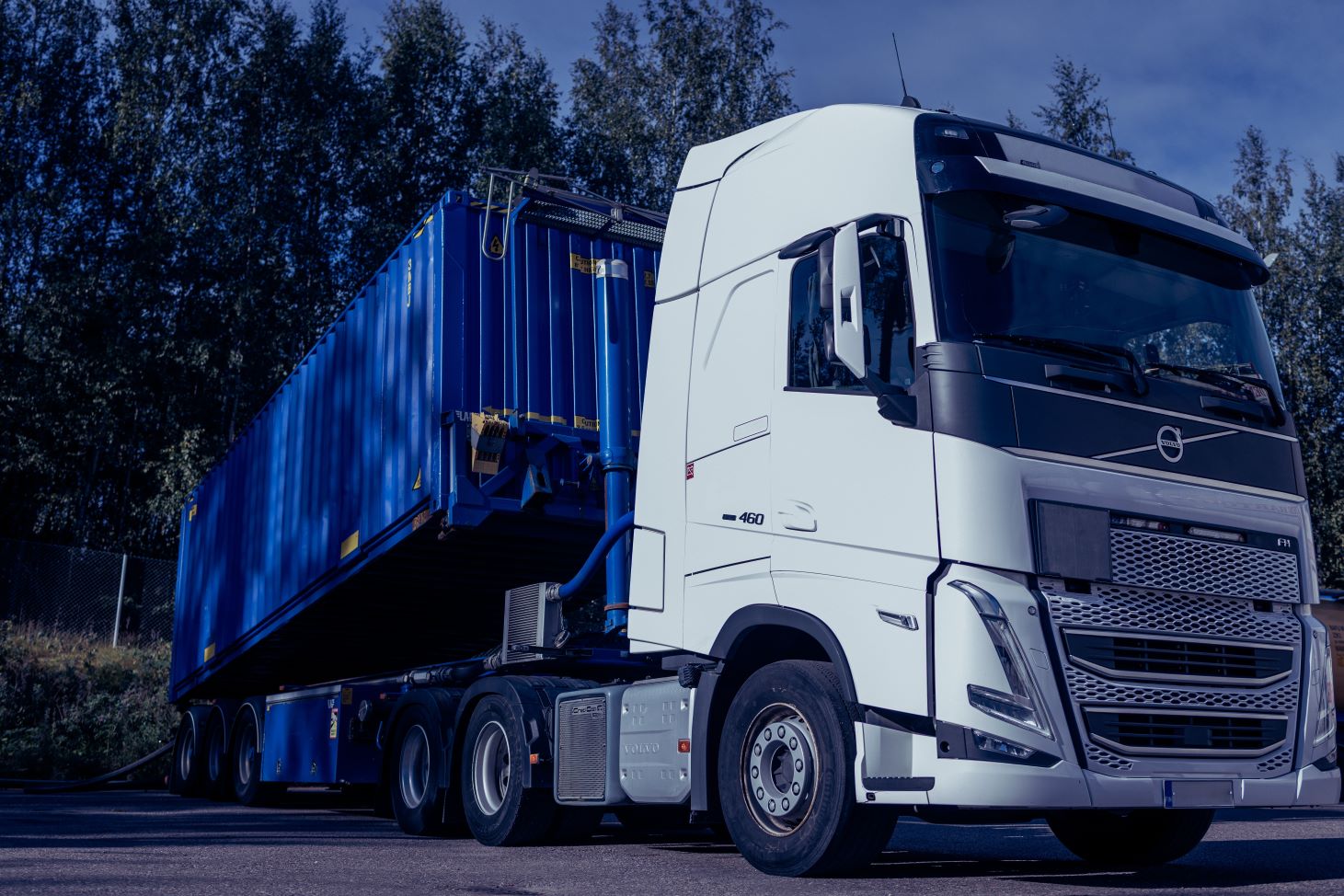
- Dry bulk commodities: Granules, powders, and other dry materials from the chemical, agricultural, or food sectors, transported using liner bags, bulk containers, silo containers, or tipping chassis.
Each cargo type comes with its own set of requirements. Food-grade products need hygienic handling and may require temperature-controlled storage. Hazardous chemicals require specific labeling, documentation, and compliant equipment. Dry bulk materials may require container-to-silo transfers or SDU deliveries via rotary valve systems. A capable door-to-door provider handles all of these requirements as part of the service, so you do not need to source specialized expertise for each shipment separately.
What is the difference between ISO tanks and flexitanks for liquid bulk transport?
The main difference between ISO tanks and flexitanks is the type of cargo they suit and the level of operational infrastructure behind them. ISO tanks are rigid stainless steel containers built for repeated use across a wide range of liquids and gases, including hazardous materials. Flexitanks are single-use or limited-use flexible bladders fitted inside a standard 20-foot container, designed for non-hazardous liquid bulk cargo.
What ISO tanks offer your business
ISO tanks handle a broader range of cargo, including chemicals, gases, high-heat products, and food-grade liquids. Because they are built for global circulation, they operate on flexible schedules rather than fixed shipping lines, which means you are not tied to specific routes or departure windows. We operate tank containers on a global scale, so you do not need to manage equipment availability, maintenance, or cleaning yourself. That operational layer is handled for you, which keeps your logistics predictable and your costs transparent.
What flexitanks offer your business
Flexitanks are a cost-effective transport solution for businesses shipping non-hazardous liquids in volume. With a capacity of up to 27,000 litres per unit, they make efficient use of a standard container footprint. They work well for bulk liquid shipments that do not require the durability or hazardous-cargo certification of an ISO tank. Services built around flexitanks typically include fitting at a depot, temperature-controlled storage, cross-pumping, loading and unloading support, and recycling programs for used units.
The practical choice between the two comes down to cargo type, regulatory requirements, and volume. For hazardous or high-specification cargo, ISO tanks are the right tool. For cost-efficient, high-volume non-hazardous liquid transport, flexitanks offer a strong alternative.
How does customs clearance work in door-to-door bulk shipping?
In a door-to-door bulk shipping service, customs clearance is handled by the logistics provider as part of the overall shipment. This means import and export declarations, documentation preparation, and coordination with customs authorities are managed on your behalf, rather than requiring you to engage a separate customs broker.
For bulk cargo, customs documentation often involves more than a standard commercial invoice. Depending on the cargo type, you may need certificates of analysis, material safety data sheets, food safety certificates, or specific hazardous goods declarations. A logistics provider experienced in bulk transport understands what each cargo type requires and prepares the documentation accordingly.
Smooth customs clearance also depends on timing. When the same provider manages both the physical transport and the paperwork, they can align documentation deadlines with vessel schedules and inland transport windows. This reduces the risk of cargo being held at borders due to incomplete or late filings, which is one of the most common causes of delays in international bulk shipping.
When should a business switch to door-to-door bulk logistics?
A business should consider switching to door-to-door bulk logistics when coordinating multiple transport providers consumes significant time, creates errors, or makes it difficult to track shipments reliably. If your team spends more time managing logistics handoffs than running your core business, that is a clear sign the current model is not working efficiently.
Other useful indicators include:
- Recurring delays at customs or terminal handoffs that stem from poor communication between parties
- Difficulty maintaining consistent cargo quality across different carriers and handling points
- Growing shipment volumes that make piecemeal logistics increasingly hard to manage
- Expanding into new markets, particularly in regions where local logistics knowledge matters, such as the Nordics and Baltics
- A need for dry bulk cargo transport services, tank container transport, or flexitank solutions that require specialist handling not available through general freight forwarders
The switch makes the most sense when your cargo type, volume, or regulatory requirements justify a specialist partner rather than a generalist one. Bulk cargo, whether liquid, gas, or dry, has enough technical and compliance complexity that working with a provider that understands it from the inside makes a measurable difference to reliability and cost control.
At Transitainer Shipping, we offer door-to-door bulk cargo logistics services covering ISO tank transport, cost-effective flexitank transport solutions, and dry bulk cargo transport services across intermodal and deep-sea routes. Our operations span the Nordics, Baltics, and global markets, giving you a single partner for the full journey. If you are ready to simplify your bulk shipments with a team that manages everything end to end, get in touch with our team and let us build a solution around your cargo.