Flexitanks and liner bags make bulk liquid and dry cargo transport more accessible and cost-effective for businesses worldwide. But as their use grows, so does a practical question that more companies are asking: what actually happens to these materials after they have done their job? Understanding the recycling process helps you make smarter procurement decisions and build a supply chain that aligns with your sustainability goals.
This article walks you through everything you need to know about recycling used flexitanks and liner bags, from how the process works to who carries the responsibility, and how you can choose a more sustainable solution from the start.
What are flexitanks and liner bags used for in shipping?
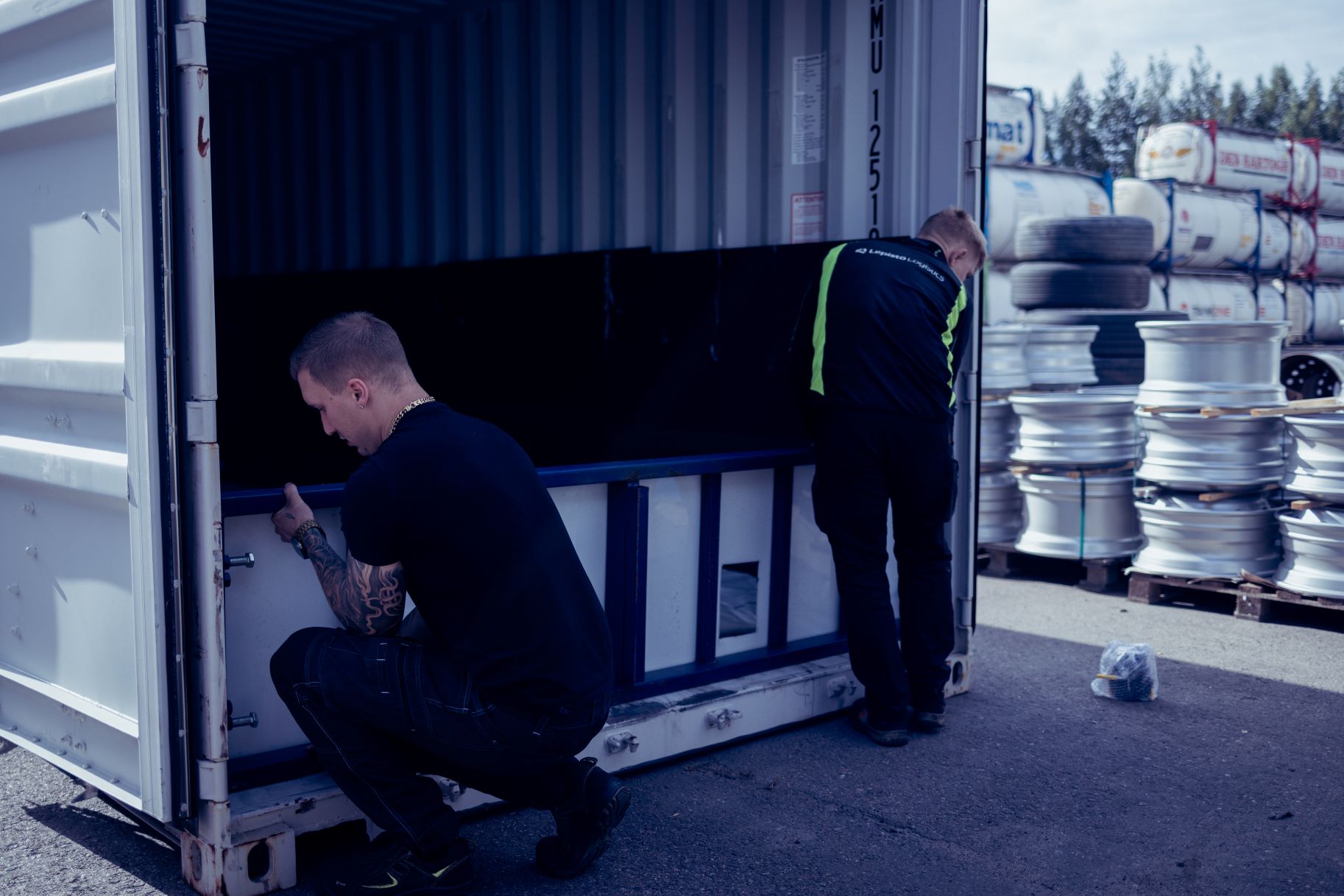
Flexitanks are large, flexible bladders installed inside standard 20-foot shipping containers to transport non-hazardous bulk liquids. A single flexitank can hold up to 27,000 litres of cargo, making it a practical and cost-effective alternative to traditional tank containers for products such as edible oils, beverages, and non-hazardous chemicals. Liner bags serve a similar purpose in dry bulk shipping, lining standard containers to protect granules, powders, and other dry commodities during transport.
Both solutions allow companies to use standard intermodal containers for bulk cargo without investing in specialised equipment. Flexitanks are typically single-use products made from layers of polyethylene, while liner bags are commonly manufactured from polyethylene or polypropylene. Because these materials are used once and then discarded, the volume of post-use waste they generate is significant, which is exactly why recycling has become an important part of responsible bulk logistics services.
Why is recycling flexitanks and liner bags important?
Recycling used flexitanks and liner bags is important because both products are made from plastic polymers that do not break down naturally. Without proper recycling programmes, this material ends up in landfill or, worse, in unmanaged waste streams. Given the volume of flexitanks and liner bags used globally each year, the environmental impact of poor disposal practices adds up quickly.
Beyond the environmental argument, recycling also makes commercial sense. Recovered polyethylene from flexitanks can be processed and reused in the production of other plastic goods, reducing the demand for virgin materials. For businesses that operate under corporate sustainability commitments or environmental reporting requirements, being able to demonstrate responsible disposal of post-use bulk packaging is increasingly relevant. Choosing logistics partners who offer active recycling programmes means you can account for end-of-life waste as part of your supply chain, not as an afterthought.
How does the recycling process for used flexitanks work?
The recycling process for used flexitanks begins with collection after the container has been emptied and the flexitank removed. The used flexitank is then transported to a recycling facility, where it is inspected, cleaned if necessary, and prepared for processing. The polyethylene material is shredded, granulated, and converted into recycled plastic that can be used to manufacture other products.
Collection and logistics of used flexitanks
One of the practical challenges in flexitank recycling is logistics. Used flexitanks are bulky even when deflated, and they need to be collected from the point of discharge, which could be a warehouse, a depot, or a production facility. Organised collection through depot networks makes this step manageable. When a logistics provider operates a nationwide depot network, as we do in Finland, collection becomes a structured part of the service rather than a burden for the customer.
Material processing and reuse
Once collected, the polyethylene material goes through a mechanical recycling process. The plastic is shredded into smaller pieces, washed to remove residue, and then granulated. These granules serve as raw material for manufacturing other plastic products. The quality of the recycled output depends on how clean and well-sorted the input material is, which is why proper handling and collection at the source matter.
Can all flexitanks and liner bags be recycled?
Not all flexitanks and liner bags are equally recyclable. The main factor is the type of cargo they carried. Flexitanks used for non-hazardous liquids such as food-grade oils or beverages are generally suitable for recycling programmes. Liner bags used for food-grade dry goods are also typically recyclable. However, materials contaminated with hazardous chemicals or residues may require specialist disposal rather than standard recycling streams.
The construction of the flexitank also plays a role. Most flexitanks are made from multiple layers of polyethylene, which is a widely recyclable plastic. However, if a flexitank contains composite layers of different materials that cannot be easily separated, recycling becomes more difficult. This is worth considering when you select a flexitank product, since opting for a design that supports recyclability from the outset makes end-of-life management significantly simpler.
Who is responsible for recycling flexitanks after use?
Responsibility for recycling used flexitanks typically sits with the party that manages the logistics operation, though the practical answer depends on how the service is structured. In many cases, the logistics provider or flexitank supplier takes responsibility for organising collection and recycling as part of their service offering. The end user, meaning the company that shipped the cargo, is responsible for ensuring the used flexitank is made available for collection and not disposed of incorrectly.
In practice, the clearest outcomes happen when recycling is built into the logistics contract from the beginning. If your provider includes a recycling programme as part of their flexitank service, you have a clear chain of responsibility and a straightforward process to follow. If recycling is not part of the arrangement, the burden falls on you to find an appropriate disposal route, which adds cost and complexity. When evaluating cost-effective flexitank transport solutions, it is worth asking directly whether recycling is included and how the collection process works.
How can companies choose a more sustainable flexitank solution?
Choosing a more sustainable flexitank solution starts with selecting a logistics partner who treats recycling as a standard part of the service, not an optional extra. Look for providers who operate depot networks that support the collection of used flexitanks, offer recycling programmes as part of their service package, and can demonstrate how post-use materials are processed and reused.
Beyond recycling, there are other sustainability factors to consider when selecting a flexitank solution. Temperature-controlled storage and careful handling reduce product loss and waste during transport. Choosing a provider with strong technical expertise means fewer incidents and less damaged cargo. For dry bulk shipments, the same logic applies to liner bags: working with a provider that offers structured recycling support for used liner bags keeps your disposal process clean and accountable.
At Transitainer Shipping, we offer flexitank logistics in Finland with recycling programmes built into our service. Our nationwide depot network supports the collection of used flexitanks, and our dry bulk services include recycling solutions for liner bags used in food-grade and chemical granule transport. We also provide dry bulk cargo transport services with door-to-door support, so you have a single point of contact from loading to disposal. If you are looking for a partner who takes end-of-life logistics as seriously as the shipment itself, reach out to our team to talk through your specific needs.