Bulk cargo logistics involves moving large volumes of liquid, gas, or dry materials across complex international supply chains. Whether you’re shipping chemicals in ISO tanks, non-hazardous liquids in flexitanks, or dry commodities in liner-bag containers, the coordination required goes well beyond booking a vessel. That’s where a freight forwarder becomes one of the most valuable partners you can have in your logistics operation.
If you’re new to bulk shipping or looking to streamline your current setup, understanding a freight forwarder’s role helps you make better decisions about your supply chain. Below, we answer the most common questions shippers ask about freight forwarding in bulk cargo logistics.
What is a freight forwarder in bulk cargo logistics?
A freight forwarder in bulk cargo logistics is a specialist intermediary who plans, coordinates, and manages the movement of large-volume shipments on your behalf. They handle the operational and administrative complexity of moving bulk goods—from booking transport and managing documentation to customs clearance and last-mile delivery—so you can focus on your core business.
In bulk cargo specifically, a freight forwarder does more than arrange a booking. They understand the technical requirements of different cargo types, whether that means food-grade handling for liquid ingredients, compliance documentation for chemicals, or the right container setup for dry commodities. Their value lies in combining logistics know-how with a network of carriers, terminals, and service partners that most shippers cannot efficiently access on their own.
A good freight forwarder also acts as a single point of contact across what can be a very fragmented transport chain. Instead of coordinating separately with trucking companies, shipping lines, terminal operators, and customs agents, you work with one partner who manages the full picture.
What types of bulk cargo does a freight forwarder handle?
A freight forwarder in bulk logistics typically handles three main cargo categories: liquid bulk, gas cargo, and dry bulk. Liquid bulk includes chemicals, food-grade products, and non-hazardous liquids transported in ISO tank containers or flexitanks. Gas cargo requires ISO tanks with specific pressure ratings. Dry bulk covers granules, powders, and other loose solid commodities, often transported using liner bags inside standard containers.
Liquid and gas cargo
Liquid and gas shipments often come with the most demanding handling requirements. ISO tank containers are the standard choice for chemicals, high-heat cargo, gases, and food-grade liquids because they offer containment integrity and are compatible with intermodal transport across sea, road, and rail. Flexitanks, which can hold up to 27,000 litres, offer a cost-efficient alternative for non-hazardous liquid cargo that does not require the structural rigidity of a steel tank.
The freight forwarder’s role here includes selecting the right equipment, arranging cleaning and maintenance between loads, managing documentation for hazardous or regulated substances, and coordinating loading and unloading support at both origin and destination.
Dry bulk cargo
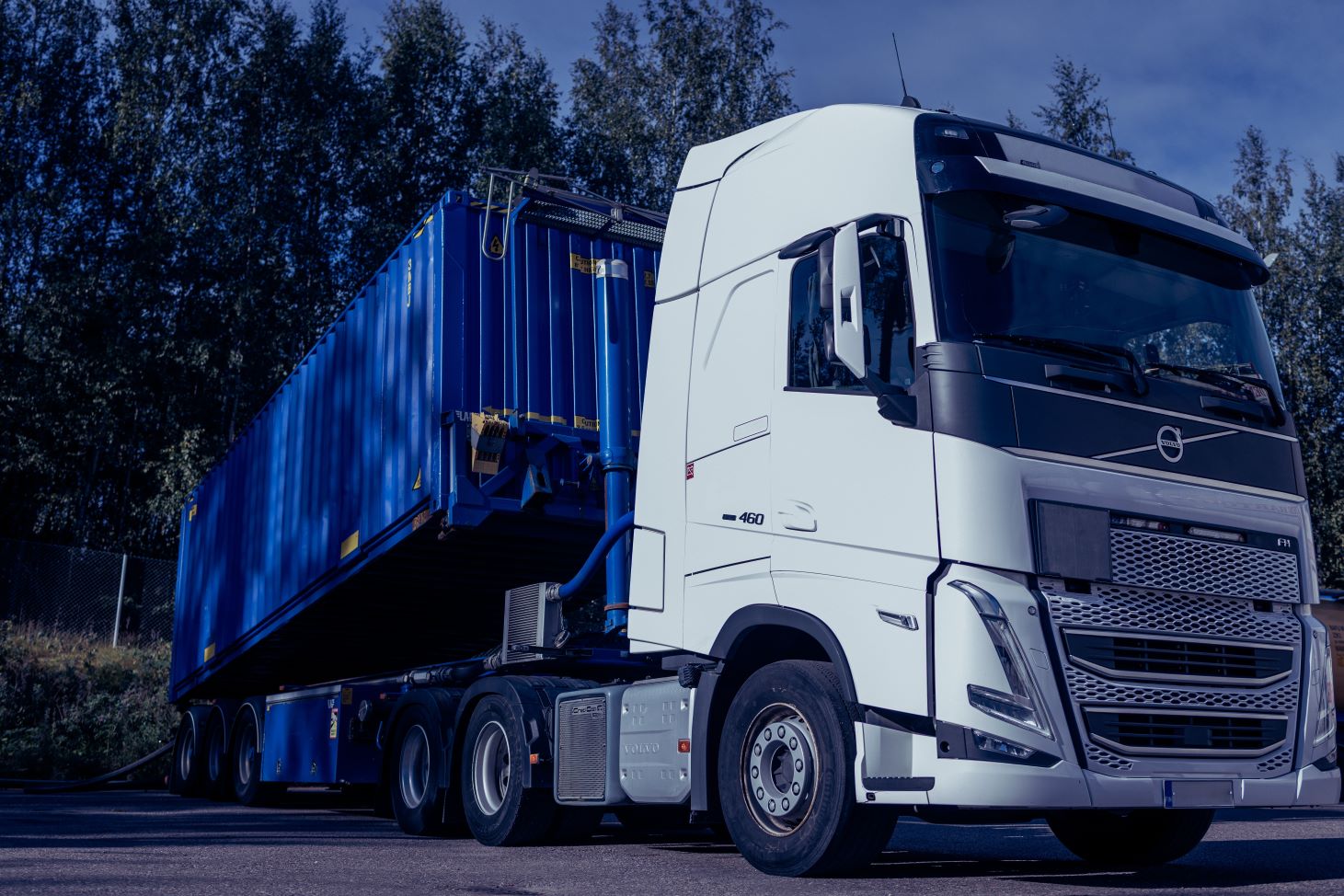
Dry bulk logistics involves its own set of considerations. High-quality liner bags are commonly used for food-grade and chemical granules, and delivery formats range from standard container drops to container-to-silo transfers using rotary valve systems. A freight forwarder coordinates the right inland transport setup, including tipping chassis for flexible unloading, and ensures the cargo arrives in the condition it left.
How does a freight forwarder coordinate intermodal bulk transport?
A freight forwarder coordinates intermodal bulk transport by managing each leg of the journey as a connected whole rather than as separate bookings. This means combining sea freight with road or rail transport, aligning schedules across carriers, and ensuring the right equipment moves seamlessly from origin to final destination without delays or miscommunication between parties.
In practice, this involves booking competitive sea freight rates with shipping lines, arranging trucking for inland legs, coordinating terminal handling at ports, and managing the handover between transport modes. For bulk cargo, the forwarder also ensures that technical requirements are met at each stage, such as confirming that tank containers are properly cleaned before loading or that dry bulk containers arrive with the correct liner setup.
Door-to-door bulk cargo logistics services depend on this kind of end-to-end coordination. Without a forwarder actively managing the chain, gaps between transport legs can lead to delays, cargo damage, or compliance failures. The freight forwarder’s job is to close those gaps before they become problems.
What customs and compliance tasks does a freight forwarder manage?
A freight forwarder manages import and export customs declarations, tariff classification, documentation preparation, and regulatory compliance on your behalf. For bulk cargo, this includes handling the paperwork for hazardous materials, food-grade certifications, and any country-specific import requirements that apply to your cargo type and destination.
Customs clearance is one of the areas where mistakes are most costly. Incorrect declarations, missing certificates, or misclassified goods can result in shipment holds, fines, or cargo being rejected at the border. A freight forwarder with experience in bulk logistics understands which documents are required for different cargo categories and markets, and prepares them proactively rather than reactively.
Beyond paperwork, compliance in bulk cargo also covers labelling requirements, safety data sheets for chemicals, and adherence to international transport regulations. Your forwarder keeps track of these requirements so you don’t have to monitor every regulatory update across every market you ship to.
What’s the difference between a freight forwarder and a logistics provider?
The key difference is scope and ownership. A freight forwarder arranges and manages transport on your behalf using a network of third-party carriers and service providers. A logistics provider, particularly one specializing in bulk cargo, may own and operate the equipment, manage the full supply chain, and take direct responsibility for execution—not just coordination.
In bulk cargo, this distinction matters. A freight forwarder books an ISO tank from a leasing pool and coordinates its movement. A logistics provider that operates tank containers globally manages the equipment directly, optimizes routing across its own network, and takes ownership of the service from loading to delivery. This model gives you more consistent quality control, more transparent pricing, and a partner who is accountable for the full outcome rather than just the arrangement.
Many companies in bulk logistics operate as both, offering freight forwarding and bulk logistics services alongside direct equipment operations. When evaluating a partner, it’s worth understanding which model applies to your shipment, because the level of control, accountability, and service depth differs significantly between the two.
When should a bulk cargo shipper use a freight forwarder?
You should use a freight forwarder when your shipment involves multiple transport legs, crosses international borders, requires specialized equipment, or demands customs expertise you don’t have in-house. For bulk cargo shippers, this applies to most international shipments, particularly those involving hazardous materials, food-grade products, or complex intermodal routes.
If you’re shipping to or from regions like the Nordics and Baltics, where local knowledge of carriers, terminals, and customs procedures makes a real operational difference, a freight forwarder with regional expertise adds immediate value. The same applies if you’re scaling shipment volumes and need competitive sea freight rates that come from a freight forwarder’s established relationships with shipping lines.
For smaller shippers or those entering new markets, a freight forwarder reduces the time and risk involved in building logistics infrastructure from scratch. For larger operations, they add capacity and specialist knowledge alongside your existing team. In either case, the right freight forwarder pays for itself in time saved, mistakes avoided, and improved supply chain reliability.
At Transitainer Shipping, we provide end-to-end freight forwarding and customs services for bulk cargo across sea, road, and intermodal transport. We handle technically demanding shipments, including ISO tank containers, flexitanks, and dry bulk cargo, and we operate tank containers globally, so you don’t need to manage equipment sourcing or route planning yourself. If you’re looking for a reliable partner for dry bulk cargo transport services, cost-effective flexitank transport solutions, or tank container transport in the Baltics and beyond, reach out to our team to discuss your cargo requirements and get started.