Managing bulk liquid transport costs can make or break your margins, especially when you’re shipping across continents. The good news is that smart logistics choices can significantly reduce your expenses without compromising quality or reliability. Whether you’re moving food-grade oils, chemicals, or other liquid cargo, understanding which strategies actually deliver savings helps you plan smarter and spend less.
This article walks you through five practical approaches to cutting bulk liquid transport costs. From choosing the right container type to planning your routes more strategically, these methods work for businesses shipping to and from the Nordic and Baltic regions and beyond.
Choose the right transport method for your cargo
The container you choose for bulk liquid transport services directly affects your bottom line. ISO tank containers and flexitanks serve different purposes, and matching your cargo to the right option saves money from the start.
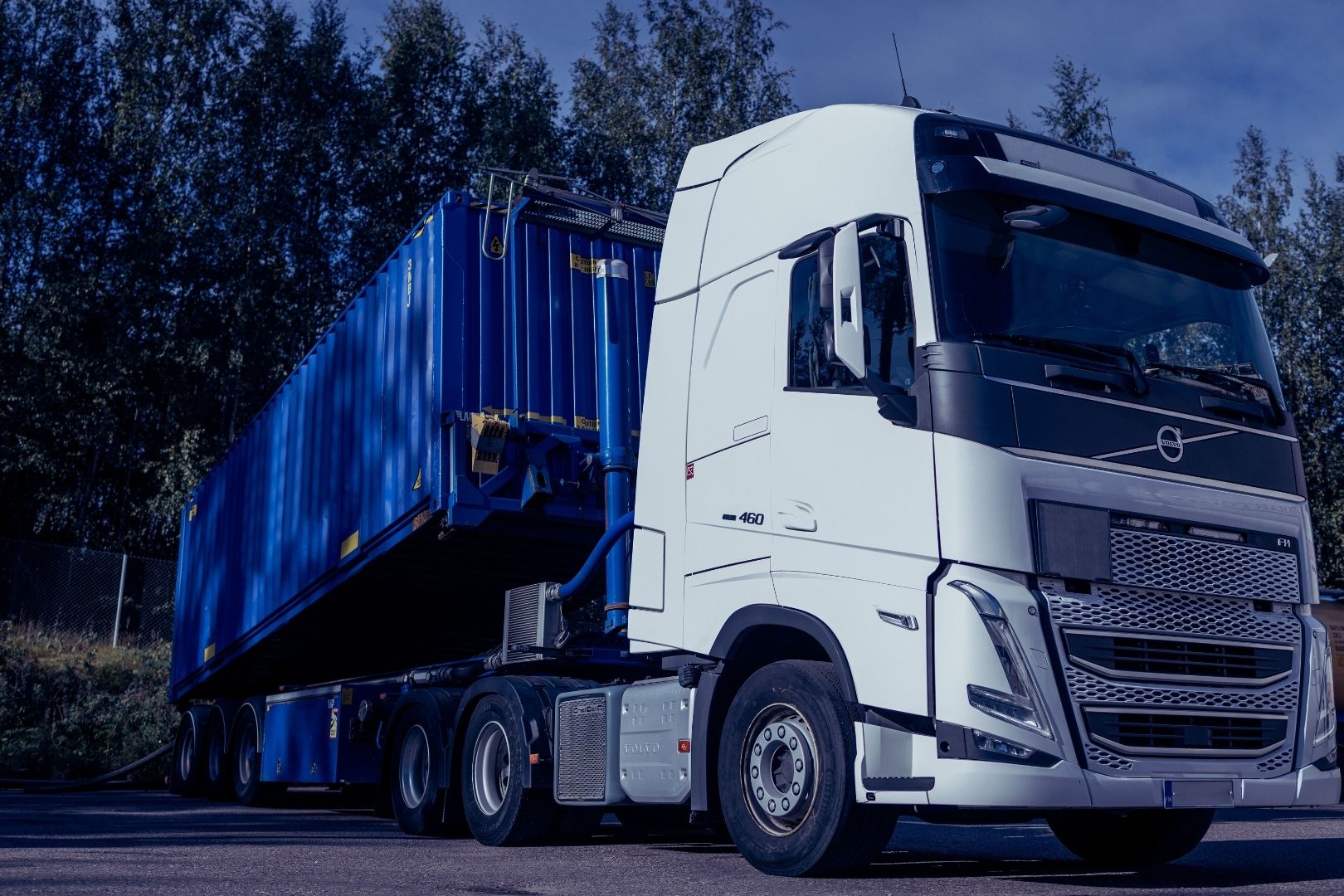
ISO tank containers handle both hazardous and non-hazardous liquids, including chemicals, food-grade products, high-heat cargo, and gases. When you work with a company that operates tank containers globally, you don’t need to worry about finding regular shipping lines or managing complex logistics yourself. The pricing reflects this comprehensive service model, where the operator manages the entire journey door to door. This makes tank container transport services particularly cost-effective for specialized cargo that requires technical expertise and careful handling.
Flexitanks offer a different value proposition for non-hazardous liquids. These single-use containers can hold up to 27,000 litres and fit inside standard shipping containers. For bulk shipments of products like oils, wine, or other non-hazardous liquids, flexitanks typically cost less than ISO tanks. You get the capacity you need without paying for specialized equipment designed for more demanding cargo.
The financial difference becomes clear when you consider cargo characteristics. If you’re shipping food-grade vegetable oil that doesn’t require temperature control or special handling, flexitanks deliver excellent value. If you’re moving chemicals that need precise temperature management or pose safety considerations, ISO tanks provide the reliability you need, and the cost reflects the comprehensive operational support that comes with them.
Optimize container utilization and loading efficiency
Every litre of unused capacity in your shipment represents wasted money. Maximizing how much liquid you fit into each container reduces your per-unit transport costs directly.
With flexitanks reaching capacities up to 27,000 litres, you can move substantial volumes in a single container. Planning your shipments to use this full capacity means fewer containers overall, which translates to lower freight costs, reduced handling fees, and simplified logistics.
For ISO tank shipments, working with operators who manage global equipment networks helps you avoid empty runs. When the same operator handles multiple clients and routes, they can position equipment more efficiently, and those savings often benefit you through better pricing and availability.
Think about your shipping schedule as well. Consolidating smaller orders into full container loads whenever possible cuts costs significantly compared to partial shipments. This might mean adjusting your inventory planning slightly, but the savings in tank container logistics often justify the change.
Leverage intermodal transport for long-distance shipments
Combining sea, road, and rail transport modes reduces overall freight costs for international shipments. Intermodal solutions offer flexibility and cost advantages that single-mode transport simply can’t match.
For routes connecting the Nordic and Baltic regions with other markets, intermodal transport becomes particularly valuable. Deep-sea shipping handles the long-distance portion economically, while road transport provides door-to-door convenience at origin and destination. This combination delivers better pricing than relying on a single transport mode throughout.
The cost benefits become even clearer when you consider the infrastructure in regions like Finland and the Baltics. Established intermodal networks mean smooth transfers between transport modes without excessive handling costs or delays. Your cargo moves efficiently from loading point to final destination, using the most economical transport method for each leg of the journey.
When operators provide both deep-sea and local transport services, including trucking and terminal handling, you benefit from coordinated logistics that eliminate gaps and redundancies. This integration reduces costs while maintaining reliable delivery schedules.
Partner with specialists who handle end-to-end logistics
Working with freight forwarding partners who manage comprehensive services eliminates redundant costs and administrative overhead. When one provider handles transport, customs clearance, documentation, and handling, you avoid the inefficiencies and expenses that come from coordinating multiple vendors.
Customs clearance represents a common source of unexpected costs and delays. Partners who provide smooth import and export customs services help you navigate complex regulations without expensive mistakes. They understand the documentation requirements, timing considerations, and technical details that keep your shipments moving.
For technically demanding cargo, specialist knowledge prevents costly errors. Providers experienced with bulk liquid transport and specialized services understand loading procedures, temperature requirements, cleaning protocols, and safety considerations. This expertise reduces the risk of cargo damage, contamination, or regulatory issues that could result in expensive claims or rejected shipments.
The administrative benefits matter too. Instead of managing relationships with separate trucking companies, shipping lines, customs brokers, and terminal operators, you work with one partner who coordinates everything. This saves time, reduces communication errors, and gives you clearer visibility into your total logistics costs.
Plan shipments strategically to reduce handling costs
Strategic planning around timing, routes, and cargo consolidation minimizes handling touchpoints and associated fees. Each time cargo gets handled, loaded, or stored, costs accumulate. Smart planning reduces these touchpoints significantly.
Door-to-door solutions deliver financial benefits by eliminating intermediate storage and handling. When your cargo moves directly from your facility to the final destination without stops at multiple warehouses or depots, you avoid storage fees, additional handling charges, and demurrage costs that accumulate during delays.
Route selection matters more than many businesses realize. Working with partners who understand regional infrastructure and can suggest optimal routing helps you avoid congested terminals, expensive toll roads, and inefficient transfer points. In the Nordic and Baltic regions, local knowledge about seasonal conditions, terminal capacities, and cross-border procedures makes a real difference to your costs.
Timing coordination with customs processes prevents expensive delays. When documentation arrives before your cargo, customs clearance happens quickly. When paperwork lags behind, your containers sit in terminals accumulating demurrage charges. Partners who coordinate transport and customs services ensure everything aligns properly.
Cargo consolidation offers another planning opportunity. If you ship multiple products or have several smaller orders heading to similar destinations, combining them into shared shipments reduces per-unit costs. This works particularly well for flexitank shipments where you can fill containers more efficiently.
Managing these five cost-cutting strategies requires knowledge, coordination, and reliable partners. At Transitainer Shipping, we provide bulk liquid transport services across these areas, from tank container transport services and flexitank logistics to freight forwarding and customs clearance. Our door-to-door solutions for liquid, gas, and dry bulk cargo help you implement these strategies effectively. If you’re looking to reduce your bulk transport costs while maintaining quality and reliability, we’re ready to help you find the right approach for your specific needs.