When you’re moving bulk liquids across borders, the transport method you choose directly affects your bottom line. Tank container logistics and flexitank solutions both promise efficient bulk liquid transport services, but they work differently and cost differently. The question isn’t which one is better overall, but which one saves you more money for your specific cargo and shipping patterns. Understanding the real cost differences helps you make smarter decisions about your bulk liquid transport services. This guide breaks down what each solution actually costs, where each one delivers better value, and how to choose the right option for your business.
What are tank containers and flexitanks
Tank containers, often called ISO tanks, are reusable stainless steel containers built to international standards. They hold liquid or gas cargo and fit into the same transport systems as standard shipping containers. You can use them for chemicals, food-grade products, gases, and temperature-controlled cargo. Their robust construction makes them suitable for both hazardous and non-hazardous materials.
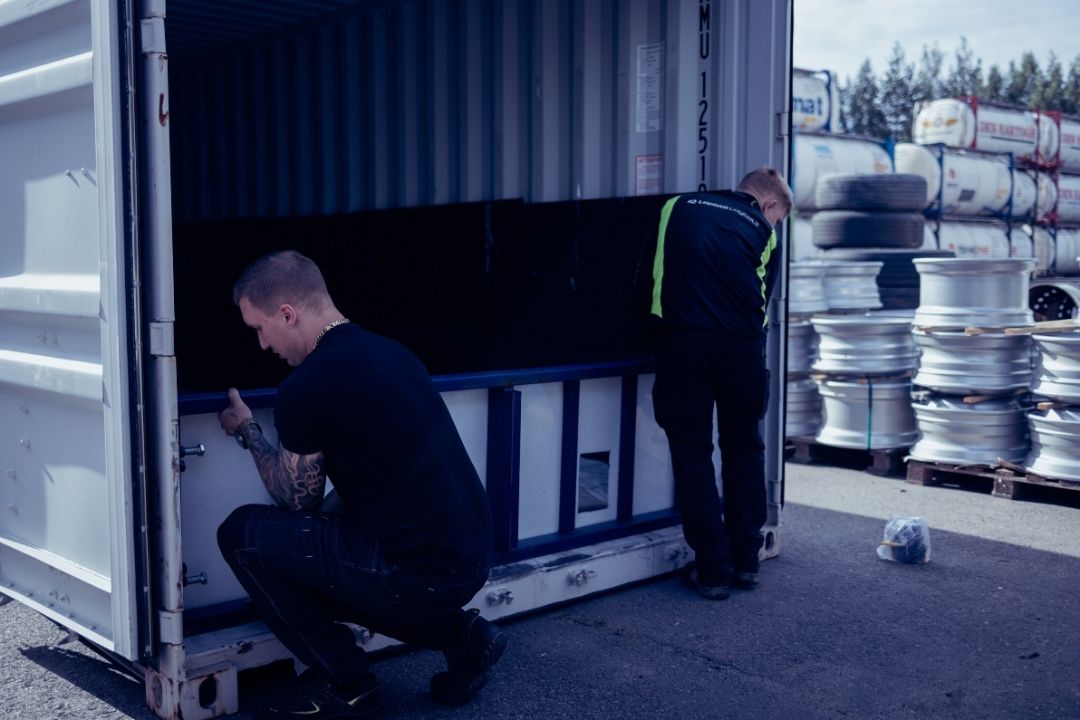
Flexitanks take a different approach. They’re flexible bladders made from polyethylene that fit inside standard 20-foot shipping containers. A flexitank can hold up to 27,000 litres of non-hazardous liquid cargo. You install them at the loading point and typically dispose of or recycle them after a single use. They work well for food-grade liquids, oils, and other non-hazardous bulk liquids that don’t require temperature control or pressurisation.
How tank containers and flexitanks differ in cost structure
The cost structures for these two solutions look completely different because they serve different operational models.
With tank container transport services, you’re typically working with a logistics partner who operates a global fleet. This means you don’t need to worry about purchasing equipment, managing regular shipping lines, or handling the logistics yourself. The pricing reflects this comprehensive operational model, covering the container itself, global transport coordination, handling, cleaning, maintenance, documentation, and positioning. You pay for a complete service that manages your cargo from door to door.
Flexitank costs appear simpler at first glance. You pay for the flexitank unit itself, the fitting service, and standard container shipping rates. The flexitank unit costs less upfront than accessing a tank container service, but you need to factor in the container rental, inland transport, loading and unloading support, and disposal or recycling.
The financial considerations extend beyond the immediate shipment. Tank container logistics involve working with a partner who maintains equipment, manages global positioning, and handles technical requirements. Flexitanks require you to coordinate more elements yourself or through multiple service providers.
When flexitanks save you more money
Flexitanks deliver cost advantages in specific situations where their limitations don’t affect your cargo requirements.
One-way shipments of non-hazardous liquids represent the sweet spot for flexitank economics. When you’re shipping bulk liquid that doesn’t need to return in the same container, you avoid repositioning costs entirely. The lower upfront investment makes flexitanks attractive for occasional shipments or when you’re testing new markets.
Non-hazardous food-grade liquids like wine, fruit juice, edible oils, and similar products work well in flexitanks. If your cargo doesn’t require temperature control, pressurisation, or special handling, flexitanks provide a straightforward bulk liquid transport services solution without paying for features you don’t need.
Businesses with irregular shipping patterns or those who prefer to coordinate their own logistics may find flexitanks more economical. When you have established relationships with freight forwarders and container lines, adding flexitank fitting to your existing arrangements can cost less than engaging a specialised tank container operator.
When tank containers deliver better value
Tank container logistics become more cost-effective when your shipping needs match their strengths.
Regular shipments benefit enormously from tank container transport services. When you’re moving cargo repeatedly on the same routes, working with an operator who manages global fleet positioning eliminates the complexity of coordinating multiple service providers for each shipment. You gain predictability in both service and cost.
Hazardous materials, chemicals, gases, and temperature-sensitive cargo require tank containers. While the service costs more per shipment than flexitanks, these cargo types simply aren’t compatible with flexitank limitations. The value here comes from having a single partner who handles all technical requirements, documentation, and compliance.
High-value cargo justifies the investment in tank container services. The robust construction, better contamination protection, and professional handling throughout the supply chain reduce risk. When cargo value is high, the cost difference between tank containers and flexitanks becomes less significant compared to the security and reliability you gain.
Long-term logistics partnerships with tank container operators often deliver better overall value than managing multiple flexitank shipments independently. The operational expertise, global network access, and simplified coordination save time and reduce errors.
Hidden costs that change the calculation
Several expenses don’t appear in initial quotes but significantly affect your total transport costs.
Cleaning requirements differ substantially. Tank containers require professional cleaning between loads, but your logistics partner typically includes this in their service model. With flexitanks, the container itself needs cleaning after the flexitank is removed, and you need to arrange this separately.
Repositioning costs can eliminate flexitank savings on certain routes. If you’re shipping to a destination where empty container supply is limited, you might face higher container rental costs or positioning fees that weren’t apparent initially. Tank container operators manage global fleet positioning as part of their service, smoothing out these regional imbalances.
Cargo compatibility issues create unexpected expenses. Some liquids react with flexitank materials or require handling conditions that flexitanks can’t provide. Discovering compatibility problems after you’ve committed to a shipment costs money and delays delivery.
Handling equipment needs vary by location. Some ports and terminals have limited experience with flexitank loading and unloading, potentially increasing handling time and costs. Tank container infrastructure is more standardised globally.
Customs considerations can add complexity and cost. Some jurisdictions have specific requirements for bulk liquid imports that are easier to satisfy with tank containers. Your customs clearance process may take longer with flexitanks if local authorities are less familiar with them.
How to choose the right solution for your cargo
Making the right choice requires evaluating your specific situation against several factors.
Start with your cargo type. Hazardous materials, gases, temperature-sensitive products, and high-value liquids point towards tank container transport services. Non-hazardous, ambient-temperature liquids can work with either solution.
Consider your shipping frequency. Regular shipments on established routes benefit from the operational simplicity of working with a tank container logistics partner who manages the entire process. Occasional or one-time shipments may favour flexitanks if you’re comfortable coordinating the logistics yourself.
Evaluate your route characteristics. Some trade lanes have better flexitank infrastructure and container availability, while others work better with tank container networks. Your destination’s handling capabilities matter significantly.
Calculate total costs, not just transport rates. Include handling, cleaning, positioning, insurance, and your own coordination time. The solution with the lower headline rate isn’t always cheaper when you account for everything.
Think about risk tolerance and cargo value. Tank containers provide more protection and professional handling throughout the journey. If cargo loss or contamination would be costly, this protection has real value.
We specialise in both tank container logistics and flexitank solutions, offering tailored bulk liquid transport services that match your specific requirements. Our global tank container operations mean you don’t need to worry about fleet management, regular shipping lines, or complex logistics coordination. For non-hazardous cargo, our flexitank services provide cost-efficient transport backed by nationwide depot networks and technical support. Whether you need door-to-door tank container transport services or flexible one-way flexitank solutions, we help you choose the option that saves you money based on your cargo, volume, frequency, and route requirements.