Moving bulk liquids across borders demands reliable transport solutions that protect your cargo while keeping costs predictable. Tank container transport has become a preferred choice for many shippers handling chemicals, food-grade liquids, and gases, but understanding how these systems work helps you make informed decisions for your supply chain.
This guide covers the practical aspects of tank container logistics, from basic operations to planning international shipments. Whether you’re shipping hazardous chemicals or food-grade products, you’ll learn what makes tank containers suitable for your cargo and how to work with logistics partners who operate these assets globally.
What are tank containers and how do they work
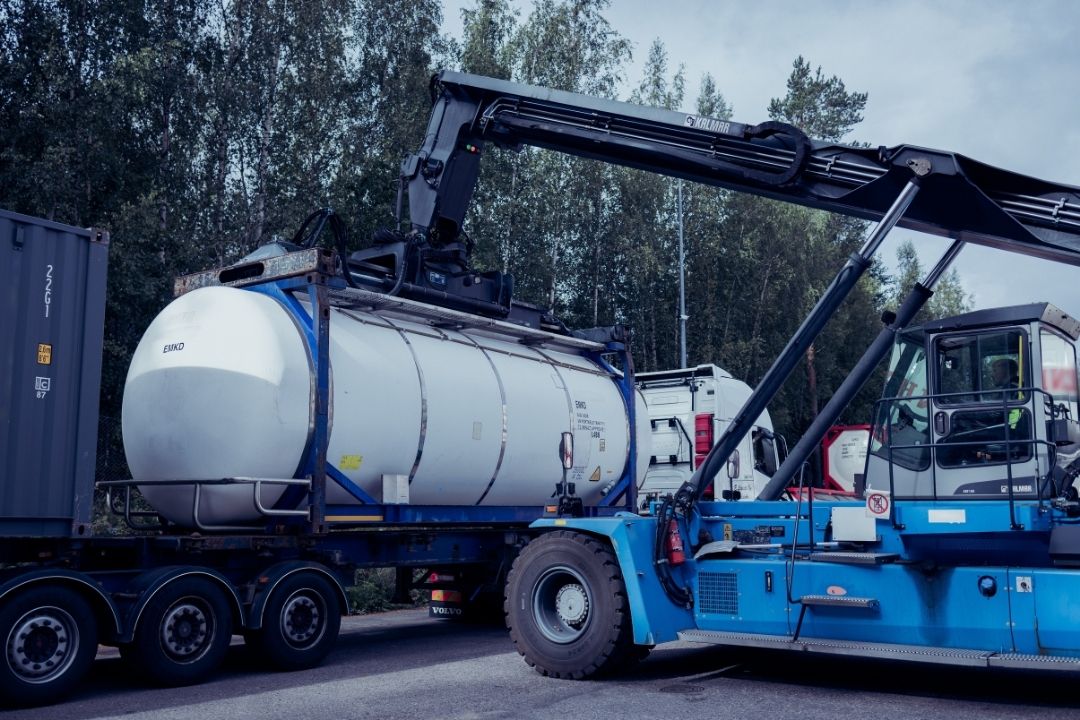
Tank containers, also known as ISO tanks, combine a stainless steel tank within a standardised steel frame that matches international shipping container dimensions. This design allows them to move between ships, trucks, and trains without repackaging your cargo.
The standardised frame structure means you can transport liquid and gas cargo through multiple transport modes using the same container. Your cargo stays sealed from origin to destination, reducing handling risks and contamination concerns. The tank itself sits protected within the outer frame, which absorbs impacts during transport and handling at terminals.
ISO tanks work particularly well for intermodal transport because they integrate with existing container handling equipment at ports, rail terminals, and distribution centres. You don’t need specialised infrastructure at every point in your supply chain, which opens up routing options and helps control costs.
Which cargo types work best with tank container transport
Tank containers handle a wide range of cargo categories. Chemicals form a major segment, including both hazardous and non-hazardous materials that require sealed transport. Food-grade products like oils, syrups, and beverages benefit from the hygienic conditions tank containers provide.
Gases represent another important category where the pressurised design of specialised tank containers maintains cargo integrity throughout transport. High-heat cargo that requires temperature control during shipping also works well with tank container solutions.
The distinction between hazardous and non-hazardous materials matters when planning your shipments. Tank containers accommodate both, but each requires specific documentation, handling procedures, and routing considerations. Understanding your cargo classification helps you work with logistics partners who have the right equipment and expertise.
Cargo compatibility extends beyond just the physical properties. You need to consider cleaning requirements between loads, particularly for food-grade products that demand strict hygiene standards. Some cargoes require dedicated tanks that never carry other products to prevent any cross-contamination risk.
How tank containers compare to other bulk liquid transport methods
Flexitanks offer an alternative for bulk liquid transport, particularly for non-hazardous cargo. These disposable bladders fit inside standard shipping containers and can hold up to 27,000 litres. They work well for one-way shipments where you don’t need to return the container.
Tank containers provide advantages when you need reusable equipment, stronger cargo protection, or the ability to handle hazardous materials. The rigid structure protects against impacts better than flexitanks, and the sealed system prevents contamination more effectively.
Cost considerations differ between the two methods. Flexitanks typically cost less per shipment for suitable cargoes, but tank containers offer better value when you need temperature control, pressure management, or plan regular shipments on the same route. The reusable nature of tank containers also supports sustainability goals by reducing disposable packaging waste.
When you work with a company that operates tank containers globally, you benefit from their equipment network and logistics expertise. You don’t need to worry about securing regular shipping lines or coordinating complex intermodal movements yourself. The operator handles equipment positioning, maintenance, and regulatory compliance across different regions.
What safety and handling requirements you need to consider
Tank container transport involves specific safety standards that protect your cargo, transport workers, and the environment. The equipment itself must meet international certification requirements, with regular inspections to maintain operational safety.
Specialised handling procedures apply at every stage of the journey. Loading and unloading require trained personnel who understand the technical aspects of your specific cargo. Temperature-sensitive products need monitoring throughout transport, while hazardous materials demand additional documentation and emergency response procedures.
Technical expertise becomes important when dealing with challenging cargoes. Your logistics partner should understand the chemical properties of your products, appropriate cleaning protocols between loads, and how to maintain cargo quality during extended transport times.
Quality standards extend beyond just moving cargo from point A to point B. Proper documentation, labelling according to international regulations, and maintaining accurate records all contribute to safe tank container operations. Terminal handling capabilities matter too, as not all facilities have the equipment or expertise to manage specialised cargo safely.
How to plan effective tank container logistics
Planning tank container shipments starts with understanding your cargo requirements and destination constraints. Intermodal transport offers routing flexibility, but you need to coordinate movements across different carriers and transport modes to maintain schedule reliability.
Door-to-door logistics coordination simplifies your supply chain by working with partners who manage the complete journey. This approach reduces the number of handoffs and communication points you need to manage directly. Your logistics partner should handle equipment availability, route planning, and coordination with shipping lines.
Customs clearance requirements vary by country and cargo type. Working with partners who provide freight forwarding and customs services helps you navigate import and export regulations smoothly. They can advise on documentation requirements, duty calculations, and compliance issues before they become problems.
For shipments to and from the Nordics and Baltics, local expertise matters. Partners with established operations in these regions understand regional regulations, have relationships with local terminals, and can provide services like cleaning, maintenance, and temporary storage when needed.
Global tank container logistics work best when your partner operates an extensive equipment base and maintains a strong international network. This combination gives you access to containers when you need them and ensures professional handling at every point in your supply chain.
Choosing the right tank container transport services depends on matching your cargo characteristics with operator capabilities. Look for partners who demonstrate technical knowledge of your product category, maintain high operational standards, and can provide complete bulk liquid transport services rather than just moving containers between points.
At Transitainer Shipping, we operate tank containers globally and provide complete logistics support for liquid, gas, and bulk cargo. Our services cover everything from technical expertise and equipment operations to customs clearance and door-to-door coordination. If you’re planning tank container shipments or want to discuss whether this transport method suits your cargo, get in touch with our team.