Managing bulk cargo shipments across international borders requires careful planning and coordination. When you’re dealing with liquid transport Finland operations or complex chemical movements, every step matters. A single oversight in documentation or transport mode selection can lead to costly delays and complications.
This comprehensive checklist helps you navigate the complexities of door-to-door logistics solutions, covering everything from cargo assessment to final delivery. You’ll discover how to choose the right transport methods, handle customs requirements, and maintain quality throughout your supply chain.
What makes door-to-door logistics different from standard shipping
Door-to-door logistics solutions provide complete cargo management from your facility to the final destination. Unlike traditional freight forwarding, where you coordinate multiple service providers separately, this approach gives you a single point of contact for the entire journey.
For bulk cargo transportation, this difference becomes particularly important. Your liquid, gas, and dry commodities require specialised handling at every stage. Door-to-door logistics means your cargo moves through a coordinated network where each transition point is managed by the same logistics provider.
Traditional shipping often involves separate contracts for trucking, terminal handling, sea freight, and destination delivery. This fragmented approach creates gaps in responsibility and communication. With door-to-door service, you get integrated planning that considers your cargo’s specific requirements from start to finish.
The operational difference extends to equipment management. Rather than sourcing tanks or containers separately, your logistics provider handles all equipment needs, cleaning, maintenance, and positioning. This integration reduces your administrative burden whilst ensuring consistent service quality.
Planning your cargo requirements and transport modes
Your cargo assessment starts with understanding the specific properties and requirements of your materials. Liquid cargo presents different challenges than dry bulk, and each requires tailored transport solutions.
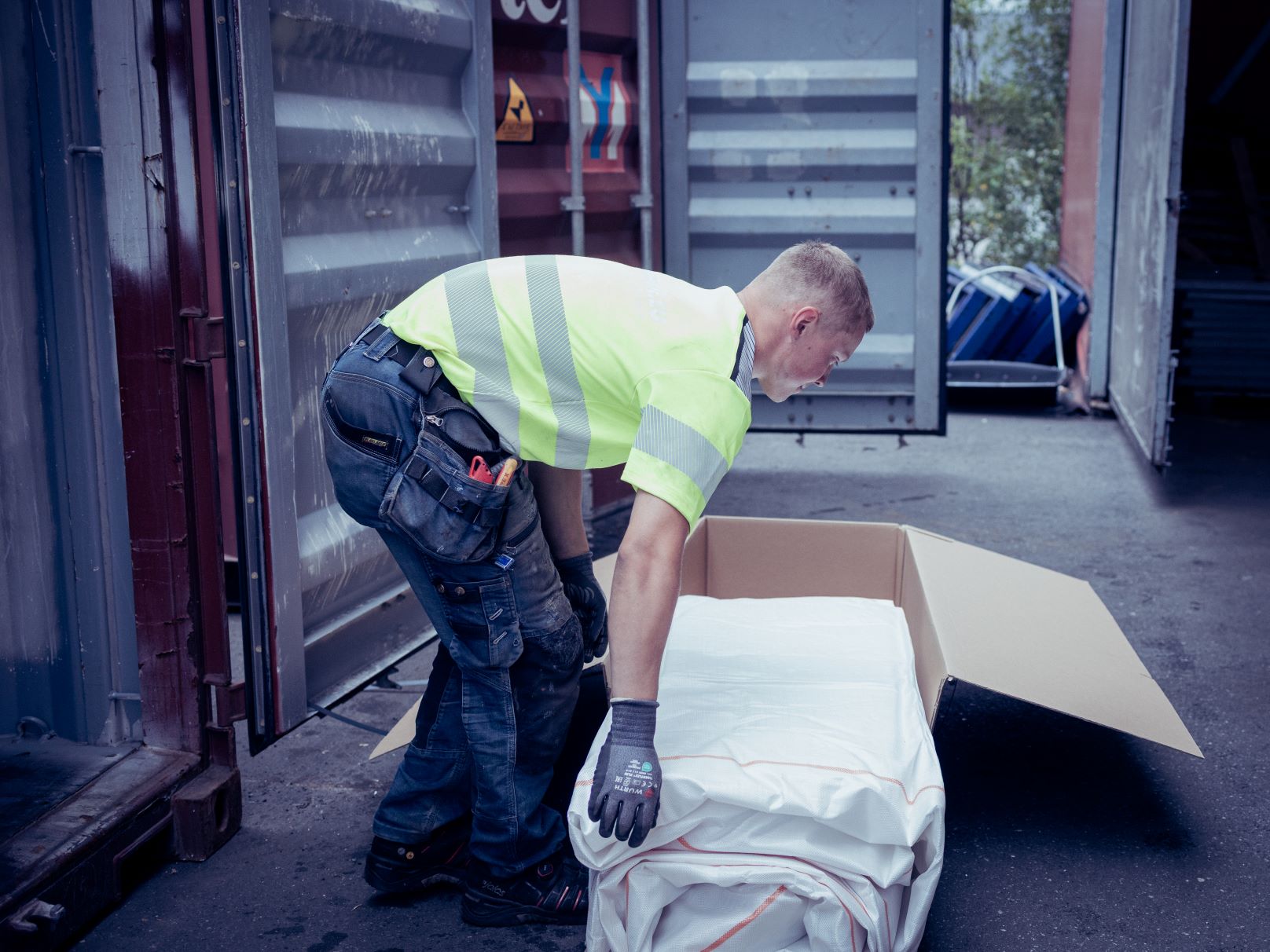
For liquid cargo, you’ll choose between ISO tanks and flexitanks based on your specific needs. ISO tanks work well for hazardous materials, food-grade products requiring temperature control, and repeated shipments on the same route. Flexitanks offer cost-efficient solutions for non-hazardous liquids, with capacity up to 27,000 litres per container.
Capacity planning affects your transport economics significantly. Flexitanks maximise container utilisation for single-use shipments, whilst ISO tanks provide reusable solutions for regular routes. Your volume requirements and shipping frequency determine which option delivers better value.
Gas cargo typically requires specialised ISO tank containers with appropriate pressure ratings and safety features. Dry bulk materials need assessment for flow characteristics, contamination sensitivity, and loading/unloading requirements.
Transport mode selection depends on your timeline, budget, and cargo characteristics. Intermodal transport providers can combine sea, road, and rail transport to optimise cost and transit time for your specific requirements.
Customs and documentation requirements for seamless transport
Proper documentation prevents delays and ensures smooth customs clearance throughout your supply chain. International bulk cargo shipments require specific paperwork that varies by commodity type and destination country.
Your documentation package typically includes commercial invoices, packing lists, certificates of origin, and material safety data sheets for chemical products. Food-grade cargo needs additional health certificates and compliance documentation.
Customs clearance processes become more complex with bulk cargo due to classification requirements and safety regulations. Hazardous materials need proper declaration codes and handling instructions. Non-hazardous liquids still require accurate commodity descriptions and value declarations.
Advanced preparation helps avoid common pitfalls. Submit your documentation early to identify any missing information or compliance issues. Work with customs specialists who understand bulk cargo requirements in your origin and destination markets.
Electronic documentation systems speed up processing and reduce errors. Many customs authorities now accept digital submissions, which can significantly reduce clearance times for your shipments.
Coordinating intermodal transport across sea, road, and rail
Effective intermodal coordination requires careful planning of each transport segment and transition point. Your bulk logistics solutions must account for different handling requirements across transport modes.
Route optimisation for bulk cargo considers factors beyond simple distance and cost. Port capabilities, rail connections, and road infrastructure all affect your transport options. Some terminals specialise in bulk handling and offer better facilities for your cargo type.
Timing coordination becomes critical when multiple transport modes connect your origin and destination. Intermodal transport providers manage these connections to minimise dwell time and reduce handling costs.
Equipment positioning affects your logistics efficiency. Your provider should manage tank containers or flexitank equipment to ensure availability when and where you need it. This includes cleaning between shipments and maintenance scheduling.
Communication systems that track your cargo across all transport modes give you visibility into shipment progress and help identify potential delays before they affect your operations.
Quality control and safety measures throughout the journey
Maintaining cargo integrity requires consistent quality measures from loading through final delivery. Your bulk cargo faces different risks at each stage of transport, and your logistics provider should address each potential issue.
Temperature control considerations apply to many liquid and some dry bulk shipments. Food-grade materials often require specific temperature ranges, whilst some chemicals need heating to maintain proper flow characteristics.
Safety protocols for hazardous materials include proper labelling, emergency response procedures, and driver training requirements. Even non-hazardous cargo benefits from clear handling instructions and safety measures.
Quality assurance measures for food-grade and chemical cargo include tank cleaning verification, contamination prevention, and proper sealing procedures. Your logistics provider should maintain cleaning records and provide certificates when required.
Regular monitoring throughout transport helps identify issues before they become problems. This includes pressure monitoring for gas cargo, temperature tracking for sensitive materials, and seal integrity checks at transition points.
Managing bulk cargo logistics successfully requires attention to detail and coordinated planning across multiple service areas. At Transitainer Shipping, we provide comprehensive door-to-door logistics solutions that handle all these elements for you. Our global tank container operations, flexitank services, and dry bulk capabilities ensure your cargo moves efficiently from origin to destination whilst maintaining the highest quality and safety standards. For expert guidance on your specific requirements, contact our logistics specialists today.