Flexitanks and ISO tanks both transport bulk liquids but use completely different approaches. Flexitanks are disposable plastic bladders that fit inside standard shipping containers for non-hazardous liquids, while ISO tanks are reusable steel containers designed for both hazardous and non-hazardous cargo. The choice between them depends on your cargo type, budget, and operational requirements.
What exactly are flexitanks and ISO tanks?
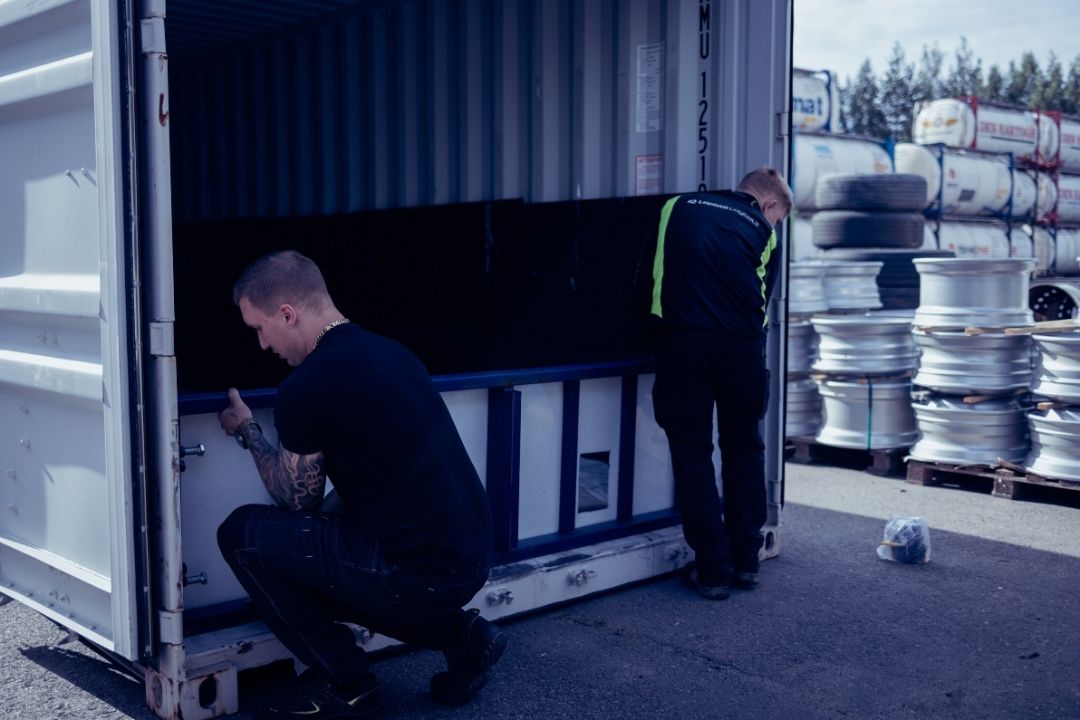
Flexitanks are large, flexible plastic bladders that transform standard 20-foot shipping containers into liquid transport vessels. They’re made from multiple layers of polyethylene and can hold up to 27,000 litres of liquid. You install them inside regular containers, making them a temporary liquid transport solution.
ISO tanks are permanent stainless steel containers built to international standards for liquid and gas transport. These robust units feature their own frame structure and can handle both hazardous and non-hazardous materials. They’re designed for repeated use and can transport up to 26,000 litres depending on the specific model.
The fundamental difference lies in their construction and purpose. Flexitanks offer a cost-effective solution for one-way shipments of compatible liquids, whilst ISO tanks provide a comprehensive transport system for virtually any liquid cargo requiring professional handling.
How do flexitanks and ISO tanks handle different types of cargo?
Flexitanks are specifically designed for non-hazardous liquids only. They excel at transporting food-grade products like oils, wines, fruit juices, and various edible liquids. However, they cannot handle hazardous materials, chemicals requiring temperature control, or cargo needing pressurised transport.
ISO tanks handle both hazardous and non-hazardous liquids, including chemicals, gases, food-grade products, and high-temperature cargo. Their stainless steel construction and professional-grade fittings make them suitable for demanding applications that flexitanks simply cannot manage.
When you’re shipping food-grade materials, both options work well, but flexitanks typically cost less for straightforward liquid transport. For chemical cargo, hazardous materials, or temperature-sensitive products, ISO tanks become the only viable option due to their superior containment and safety features.
What are the cost differences between flexitanks and ISO tanks?
Flexitanks cost significantly less per shipment because they’re single-use solutions. You pay for the flexitank itself, fitting services, and standard container shipping rates. This makes them highly cost-effective for one-way liquid transport, especially over long distances.
ISO tanks require higher initial investment due to equipment costs, but they’re reusable across multiple shipments. You’ll pay for the tank rental or purchase, specialised handling, and transportation services. The per-trip cost decreases with frequent use, making them economical for regular shipping routes.
The total cost comparison depends on your shipping frequency and cargo requirements. For occasional shipments of compatible liquids, flexitanks typically offer better value. For regular transport schedules or hazardous cargo requiring professional handling, ISO tanks provide better long-term economics despite higher upfront costs.
Which transport method offers better logistics flexibility?
Flexitanks provide excellent flexibility for standard shipping routes because they use regular container infrastructure. You can book space on any container vessel, and loading involves standard container handling equipment. However, they require specialised fitting and discharge facilities at both ends.
ISO tanks offer superior operational flexibility through intermodal transport capabilities. They move seamlessly between ships, trucks, and rail without cargo transfer, supporting door-to-door delivery. Their robust construction also allows for storage and temporary holding when needed.
Loading and unloading processes differ significantly between the two. Flexitanks require careful installation and specialised discharge equipment, whilst ISO tanks use standardised connections and pumping systems. For complex logistics requiring multiple transport modes or temporary storage, ISO tanks typically provide more operational options.
Your choice between flexitanks and ISO tanks should align with your specific cargo requirements, shipping frequency, and budget considerations. Both solutions serve important roles in bulk liquid transport, and understanding their distinct advantages helps you make informed logistics decisions.
At Transitainer Shipping, we specialise in both flexitank logistics and ISO tank services, offering comprehensive support for your bulk liquid transport needs across the Nordics, Baltics, and worldwide destinations. Contact us for expert guidance on your specific requirements.