A standard flexitank can hold up to 27,000 litres of liquid cargo, making it a popular choice for bulk liquid transport. This capacity allows businesses to efficiently move large volumes of non-hazardous liquids in standard shipping containers. Understanding flexitank capacity helps you choose the right transport solution for your cargo needs.
What is the exact capacity of a standard flexitank?
Standard flexitanks hold up to 27,000 litres of liquid cargo when fitted into a 20-foot shipping container. This capacity makes them suitable for transporting substantial volumes of non-hazardous liquids across global routes.
The actual usable capacity depends on the specific liquid you’re transporting and the loading requirements. Different liquids have varying densities and handling characteristics that can affect the practical fill volume. Flexitank providers typically design their systems to maximise this 27,000-litre capacity while maintaining safety standards and complying with transport regulations.
You’ll find that this capacity works well for many industrial applications. Food and beverage manufacturers regularly use flexitanks for transporting oils, syrups, and other liquid ingredients. Chemical companies also rely on this capacity for moving non-hazardous industrial liquids efficiently between facilities.
How does flexitank capacity compare to other bulk liquid transport options?
Flexitanks offer different capacity advantages compared to ISO tank containers. While flexitanks hold up to 27,000 litres, ISO tanks typically handle smaller volumes but can transport hazardous materials that flexitanks cannot carry.
ISO tank containers provide more versatility for different cargo types, including chemicals, gases, and high-temperature liquids. They’re reusable and offer precise temperature control, making them suitable for sensitive cargo requiring specific handling conditions. However, their capacity varies depending on the tank design and cargo requirements.
Flexitank logistics services focus on maximising the 27,000-litre capacity for cost-efficient transport. This makes them particularly attractive for businesses moving large volumes of compatible liquids. The capacity utilisation often results in a better cost per litre compared to smaller transport options, especially for long-distance shipments where maximising container space becomes important.
What types of cargo can you transport in a standard flexitank?
Flexitanks transport non-hazardous liquids, including food-grade products, industrial oils, chemicals, and agricultural liquids. The 27,000-litre capacity works well for businesses moving substantial volumes of compatible cargo types.
Food and beverage companies use flexitank shipping services for transporting cooking oils, fruit juices, wine, and liquid food ingredients. The food-grade flexitank materials help ensure product safety and quality during transport. Many flexitank providers maintain strict hygiene standards and offer temperature-controlled solutions for sensitive food products.
Industrial applications include non-hazardous chemicals, lubricants, and water-based solutions. Flexitank transport companies often provide specialised handling for different liquid viscosities and characteristics. Agricultural businesses use flexitanks for liquid fertilisers and other farming inputs that benefit from cost-efficient bulk transport capacity.
You cannot transport hazardous materials, gases, or liquids requiring pressure vessels in standard flexitanks. These cargo types require specialised ISO tank containers with appropriate safety certifications and handling procedures.
How do you choose between flexitanks and ISO tanks for your cargo?
Choose flexitanks when you need cost-efficient transport for non-hazardous liquids up to 27,000 litres. Select ISO tanks for hazardous materials, temperature-sensitive cargo, or when you need reusable containers for regular shipments.
Consider your cargo characteristics when making this decision. Flexitank container services work best for one-way shipments of compatible liquids where cost per litre matters most. The 27,000-litre capacity provides excellent value for businesses moving large volumes occasionally or for specific projects.
ISO tanks offer greater flexibility for ongoing operations with varied cargo types. If you regularly transport different liquids or need precise temperature control, ISO tanks provide more operational advantages despite potentially higher costs per shipment.
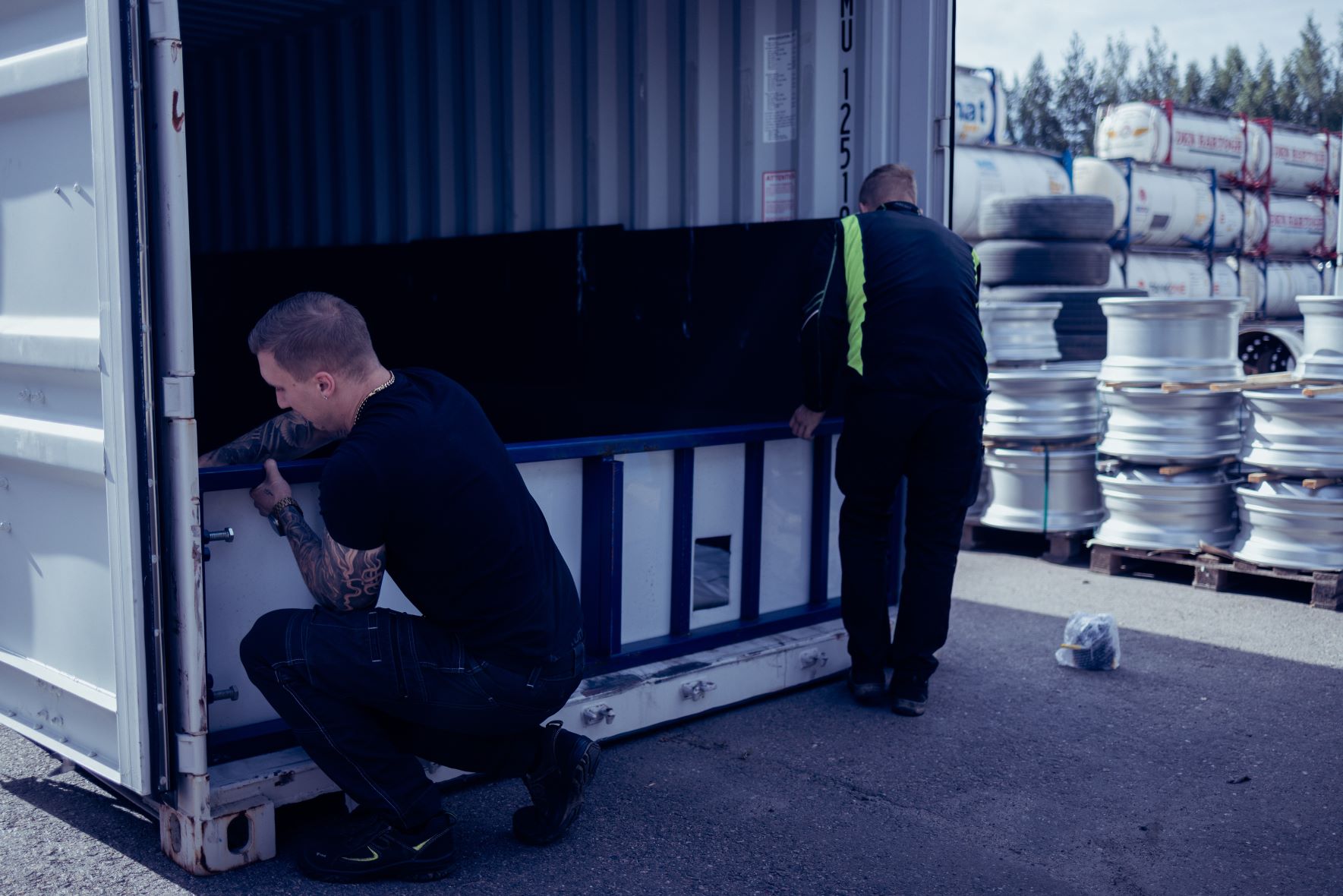
Evaluate your logistics requirements carefully. Flexitank freight forwarding services typically handle the entire process, including container fitting and disposal. This can simplify operations for businesses without extensive logistics infrastructure. ISO tank operations may require more coordination but offer greater control over the transport process.
Your volume requirements also influence this decision. If you consistently need the full 27,000-litre capacity, flexitanks often provide the most economical solution. Smaller or irregular volumes might benefit from the flexibility that ISO tank solutions offer.
Understanding these capacity considerations helps you make informed decisions about bulk liquid transport. Whether you choose flexitanks or ISO tanks, working with experienced flexitank logistics providers ensures you get the most suitable solution for your specific cargo requirements. We specialise in both flexitank and ISO tank solutions, helping you optimise your bulk liquid transport operations with the right capacity and service approach for your business needs. Contact us for transport solutions to discuss your specific requirements.