Flexitanks transport a wide range of non-hazardous liquids, including food-grade products like oils, wine, and fruit juices, as well as industrial liquids such as lubricants, chemicals, and latex. These flexible containers can hold up to 27,000 litres and offer a cost-effective alternative to traditional shipping methods. Understanding which liquids are compatible with flexitank logistics helps you choose the right transport solution for your bulk cargo needs.
What exactly is a flexitank and how does it work?
A flexitank is a flexible container made from multiple layers of polyethylene that fits inside a standard 20-foot shipping container for bulk liquid transport. It transforms an ordinary container into a liquid transport vessel by using the entire interior space efficiently.
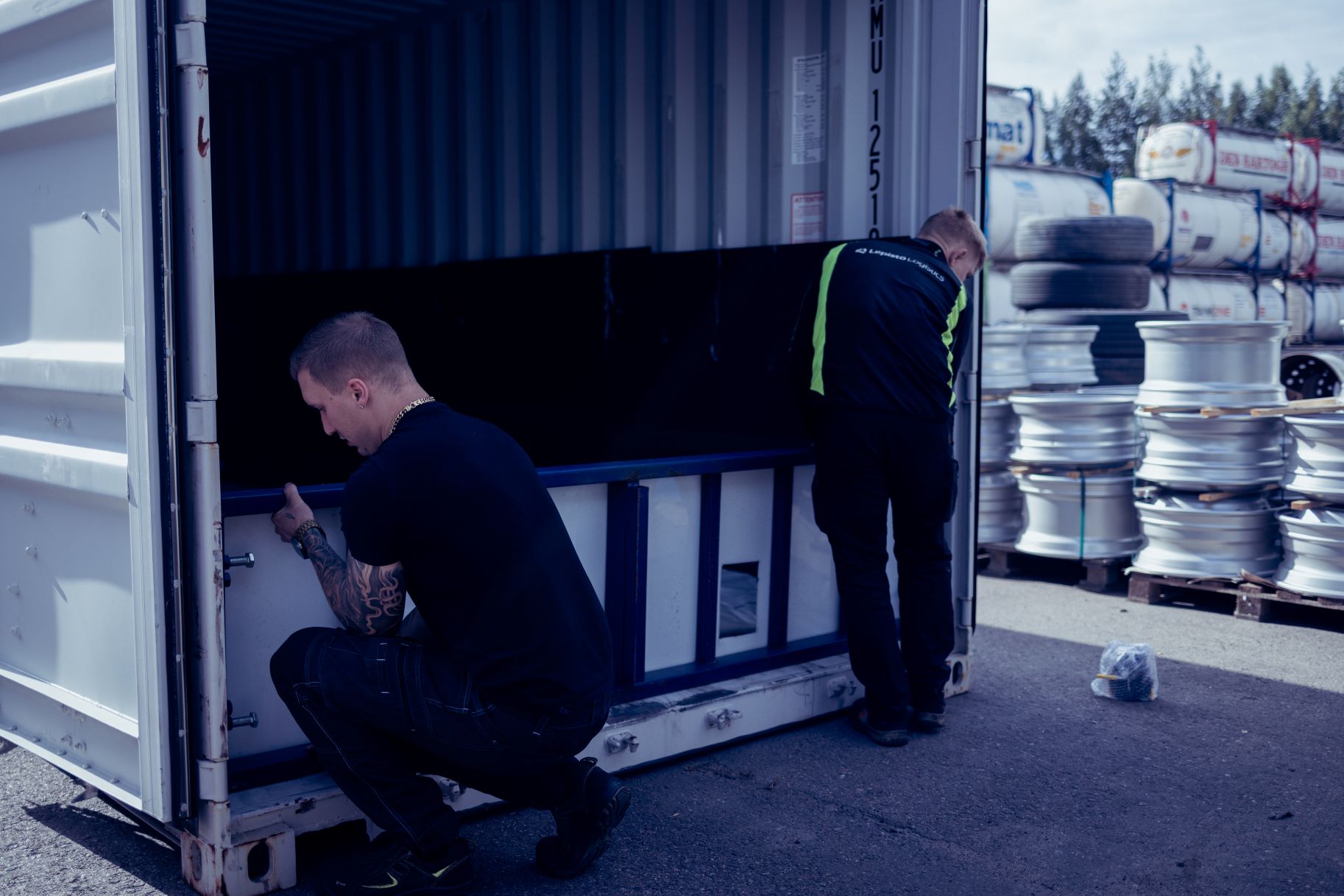
The flexitank system works through a simple but effective design. The flexible bag expands to fill the container’s shape when loaded with liquid, maximising cargo capacity while maintaining structural integrity during transport. Multiple protective layers prevent contamination and ensure the liquid arrives in perfect condition.
These containers integrate seamlessly into intermodal shipping systems, moving by sea, road, and rail without transferring the liquid itself. This approach reduces handling costs and contamination risks compared with traditional methods. Flexitank shipping services have become popular because they eliminate the need to invest in expensive tank containers while providing reliable bulk liquid transport.
What types of liquids can you safely transport in flexitanks?
Flexitanks safely transport non-hazardous liquids across food-grade and industrial categories. Food-grade options include edible oils, wine, fruit juices, liquid chocolate, and various syrups. Industrial liquids encompass lubricants, latex, non-hazardous chemicals, and water-based products.
Safety requirements focus on liquid compatibility with polyethylene materials and non-hazardous classification. The liquid must not react with the flexitank material or pose safety risks during transport. Food-grade flexitanks require special materials and handling procedures to maintain hygiene standards.
Flexitank providers typically maintain approved liquid lists and conduct compatibility testing for new products. Temperature considerations also matter, as some liquids require heating or cooling during transport. Flexitank freight forwarding services can advise on specific liquid suitability and any special handling requirements for your cargo.
How much liquid can a flexitank actually hold?
A flexitank can hold up to 27,000 litres of liquid, significantly more than standard drum or intermediate bulk container options. This capacity makes flexitanks highly efficient for large-volume shipments while fitting within standard container dimensions.
Practical loading considerations affect actual capacity. Liquid density, temperature expansion, and safety margins may reduce the maximum load. Most flexitank logistics providers recommend staying slightly below maximum capacity to ensure safe transport and easy discharge.
This large capacity directly impacts transport efficiency and cost-effectiveness. You can ship more product per container compared with drums or smaller containers, reducing per-litre transport costs. Flexitank rental services often price based on this efficiency advantage, making them attractive for regular bulk liquid shipments. The capacity also means fewer containers are needed for large orders, simplifying logistics coordination.
What’s the difference between flexitanks and ISO tank containers?
Flexitanks are single-use flexible containers for non-hazardous liquids, while ISO tank containers are reusable steel tanks suitable for hazardous and non-hazardous cargo. Flexitanks offer lower costs for one-way shipments, whereas ISO tanks provide durability for repeated use.
Capacity differences are significant. Flexitanks hold up to 27,000 litres in a 20-foot container, while ISO tanks typically range from 17,500 to 26,000 litres, depending on specification. Flexitanks maximise space usage within standard containers.
Handling requirements vary considerably between the two options. Flexitanks need careful installation and disposal after use, requiring specialised flexitank suppliers for proper fitting. ISO tanks require cleaning, maintenance, and positioning equipment but can be used repeatedly.
Choose flexitanks for cost-effective one-way shipments of compatible liquids where you don’t need return logistics. Select ISO tanks for hazardous materials, repeated routes, or when you need precise temperature control. Flexitank transport companies often provide both options, helping you select the most suitable solution for your specific cargo requirements and shipping patterns.
Choosing the right bulk liquid transport method depends on your cargo type, shipping frequency, and cost considerations. Flexitank shipping solutions work exceptionally well for many non-hazardous liquids, offering capacity and cost advantages for suitable applications. At Transitainer Shipping, we work with both flexitanks and ISO tanks, managing these containers globally so you don’t need to worry about scheduled routes or logistics coordination. Our comprehensive service model ensures consistent quality, optimised transport routes, and transparent costs aligned with the complete operational support we provide. For specific requirements or questions about your bulk liquid transport needs, please contact our team.