Flexitank providers handle loading and unloading through specialised equipment and systematic procedures that ensure safe liquid transport. The loading process involves preparing the container, installing the flexitank, and using pumps to fill it with up to 27,000 litres of liquid cargo. Unloading requires similar equipment but focuses on complete extraction and proper disposal of the flexitank materials.
What exactly is a flexitank and how does it work for liquid transport?
A flexitank is a flexible container made from food-grade materials that fits inside a standard 20-foot shipping container to transport bulk liquids. These containers can hold up to 27,000 litres of non-hazardous liquid cargo, making them an efficient solution for bulk liquid transportation.
The flexitank works by transforming a standard dry container into a liquid transport vessel. The flexible bag fills the entire container space, maximising cargo capacity whilst maintaining the convenience of containerised shipping. This system allows you to transport liquid cargo using existing container shipping infrastructure without needing specialised tank containers.
Flexitank logistics providers use this technology for various liquid products, including food-grade liquids, industrial oils, and chemicals that do not require temperature control or pressurisation. The flexibility of this system means you can access regular shipping schedules and routes whilst benefiting from bulk liquid transport capabilities.
How do providers actually load liquids into flexitanks?
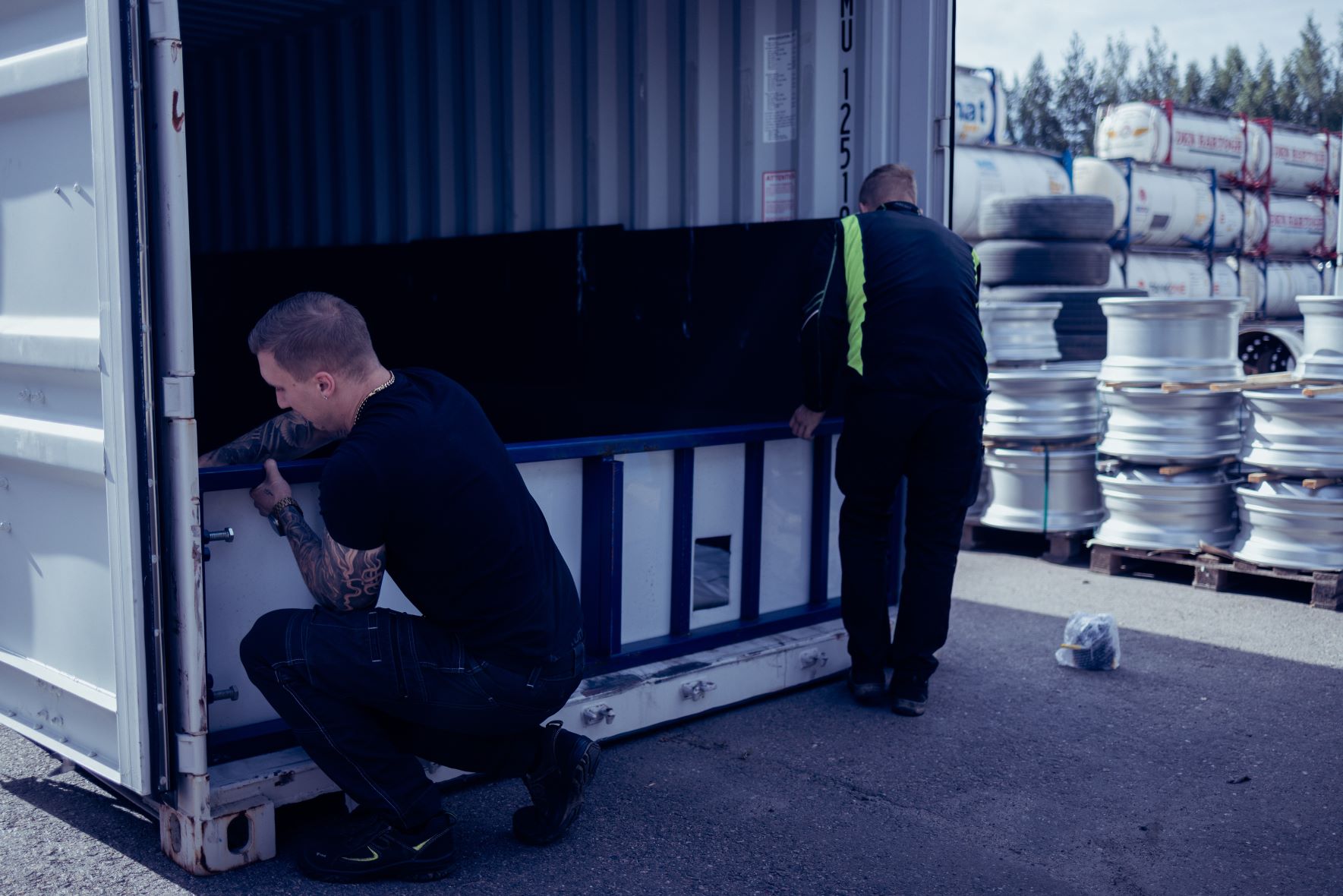
Flexitank loading begins with container preparation and flexitank installation before the actual liquid transfer process. Providers inspect the container for any sharp edges or damage, then install protective materials and position the flexitank bag inside the container.
The loading process follows these steps:
- Container inspection and preparation with protective liners
- Flexitank installation with proper positioning of inlet valves
- Connection of loading equipment, including pumps and hoses
- Gradual filling whilst monitoring pressure and bag expansion
- Final inspection and valve closure once loading is complete
Flexitank providers use specialised pumps and loading equipment designed for the specific liquid being transported. The loading rate must be controlled to prevent damage to the flexitank material, and providers monitor the process continuously to ensure proper bag expansion and avoid overfilling.
Safety procedures during loading include proper grounding of equipment, use of appropriate personal protective equipment, and adherence to handling requirements for the specific liquid cargo. Temperature monitoring may also be required for certain products.
What happens during the flexitank unloading process?
Flexitank unloading involves connecting discharge equipment to extract the liquid cargo completely from the flexible container. Providers use gravity-fed or pump-assisted systems depending on the liquid properties and discharge requirements.
The unloading process typically includes:
- Container positioning for an optimal drainage angle
- Connection of discharge pumps or gravity-feed systems
- Opening of discharge valves and monitoring flow rates
- Complete liquid extraction using appropriate equipment
- Flexitank removal and disposal through recycling programmes
Complete liquid extraction is important for maximising cargo recovery and preventing waste. Flexitank transport services often use specialised pumps that can extract liquid even when the bag has collapsed, ensuring you receive the full quantity of your cargo.
After unloading, providers handle the disposal of used flexitank materials. Many flexitank shipping companies operate recycling programmes to manage the flexible containers in an environmentally responsible manner, turning the used materials into new products.
What’s the difference between flexitank and ISO tank handling procedures?
Flexitank and ISO tank handling differ significantly in equipment requirements, setup procedures, and operational flexibility. ISO tanks are permanent steel containers with built-in loading systems, whilst flexitanks require installation and disposal with each shipment.
Key differences in handling procedures include:
| Aspect | Flexitanks | ISO Tanks |
|---|---|---|
| Setup | Installation required for each use | Permanent container ready for use |
| Loading Equipment | External pumps and temporary connections | Built-in valves and permanent fittings |
| Capacity | Up to 27,000 litres | Typically 20,000–26,000 litres |
| Cleaning | Single-use, no cleaning required | Professional cleaning between loads |
ISO tank container services offer advantages for hazardous materials, temperature-controlled cargo, and situations requiring multiple uses of the same container. The permanent nature of ISO tanks means they can handle pressurised cargo and provide better protection for sensitive liquids.
Flexitank container services provide cost advantages for one-way shipments of non-hazardous liquids. You do not need to manage container returns or cleaning procedures, making them particularly suitable for food-grade liquids and industrial products that do not require specialised handling conditions.
Understanding these handling differences helps you choose the right solution for your liquid cargo requirements. Flexitank freight forwarding services work well for standard liquid transport, whilst ISO tank services suit more demanding applications requiring specialised equipment and handling procedures.
Both solutions offer reliable bulk liquid transport, but the choice between flexitank shipping services and ISO tank operations depends on your specific cargo requirements, route characteristics, and operational preferences. We provide both flexitank and ISO tank solutions globally, managing the equipment and logistics so you can focus on your core business operations. For specific requirements or to discuss your liquid transport needs, please contact our logistics team.