Choosing the right flexitank supplier determines the success of your bulk liquid transport operations. The best suppliers offer global operations, end-to-end handling, and seamless logistics management without requiring your involvement in route scheduling. This guide addresses the most important questions businesses ask when evaluating flexitank providers for their shipping needs.
What exactly is a flexitank and why do businesses use them?
A flexitank is a flexible bulk liquid transport solution that fits inside standard shipping containers, with a capacity of up to 27,000 litres. Businesses use flexitanks for cost-efficient transportation of non-hazardous liquid cargo across global shipping routes.
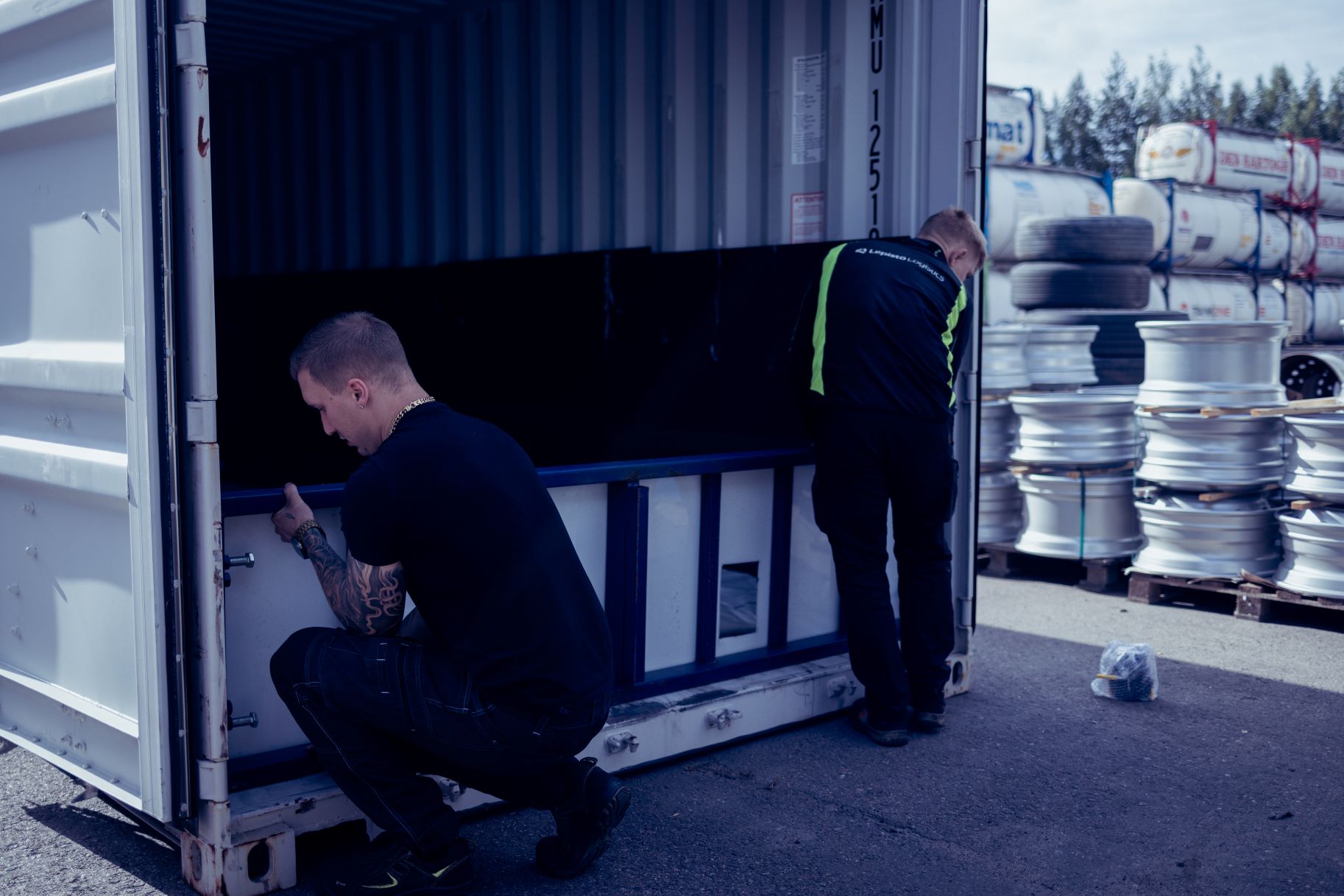
These flexible containers transform standard 20-foot shipping containers into bulk liquid transport units. Unlike rigid containers, flexitanks adapt to the cargo volume and container shape, maximising space efficiency. The food-grade materials make them suitable for transporting oils, syrups, beverages, and other liquid products that require hygienic handling.
Companies choose flexitanks because they eliminate the need for cleaning between different compatible products and reduce packaging costs compared to drums or intermediate bulk containers. Their flexibility allows businesses to ship various liquid volumes without investing in permanent tank equipment, making them particularly valuable for companies with fluctuating shipping requirements.
What should you look for in a flexitank supplier’s service capabilities?
Look for suppliers that operate globally and provide comprehensive end-to-end handling services without requiring you to manage route scheduling or logistics coordination. The best flexitank providers offer comprehensive service models that include fitting, transport, documentation, and technical support throughout the shipping process.
Global operations capability ensures your supplier can handle shipments to any destination without transferring responsibility to local partners. This unified approach maintains service quality and accountability across the entire transport chain. Your supplier should manage everything from depot networks to shipping line partnerships.
Service transparency is important when evaluating providers. The right supplier explains their process clearly, provides detailed documentation, and offers technical assistance when needed. They should also handle temperature-controlled storage, cross-pumping services, and recycling programmes as part of their comprehensive offering.
End-to-end logistics management means you can focus on your core business while your supplier handles route optimisation, customs documentation, and delivery coordination. This service model reduces your operational complexity and ensures consistent handling standards across different shipping routes.
How do flexitanks compare to other bulk liquid transport options?
Flexitanks suit non-hazardous liquid cargo and offer cost efficiency, while ISO tanks handle hazardous materials, gases, and products requiring temperature control. Each solution serves different cargo requirements, with flexitanks providing flexibility and ISO tanks offering durability for specialised transport needs.
The main difference lies in cargo compatibility and reusability. Flexitanks work best for food-grade liquids, oils, and non-hazardous chemicals that do not require heating or cooling during transport. ISO tanks handle a broader range of products, including hazardous chemicals, gases, and cargo requiring precise temperature management.
From an operational perspective, flexitanks offer single-use convenience with lower upfront costs, while ISO tanks provide reusable solutions for regular shipping routes. Companies with consistent shipping volumes often prefer ISO tanks for their durability and ability to handle complex cargo requirements.
Both solutions offer advantages when managed by experienced operators. Flexitanks provide scalability for varying shipment sizes, while ISO tanks ensure consistent quality for sensitive cargo. The choice depends on your specific cargo type, shipping frequency, and operational requirements rather than purely on cost considerations.
What questions should you ask potential flexitank suppliers?
Ask about service transparency, cost alignment with comprehensive operations, quality consistency across different routes, and their ability to adapt to your specific operational needs. Focus on understanding how they handle route optimisation and whether their pricing reflects their full service model.
Service transparency questions should cover their depot network coverage, shipping line partnerships, and technical support availability. Ask how they handle documentation, customs clearance, and any issues that arise during transport. Quality consistency is especially important when shipping to multiple destinations.
Cost alignment discussions should focus on understanding what services are included in their pricing. The best suppliers align their costs with comprehensive service delivery rather than offering low prices with hidden charges or limited support. Ask about route optimisation capabilities and how they manage logistics without your involvement.
Operational adaptability questions help determine whether the supplier can adjust to your changing needs. This includes their ability to handle different liquid types, accommodate varying shipping schedules, and provide recycling solutions. Ask about their experience with your specific industry and cargo requirements.
Understanding these factors helps you identify suppliers who offer genuine value through comprehensive service delivery rather than just competitive pricing.
Selecting the right flexitank supplier requires evaluating their global capabilities, service comprehensiveness, and operational expertise. The best providers manage the entire logistics process while maintaining cost transparency and quality consistency. At Transitainer Shipping, we combine flexitank logistics with global tank container operations, offering you flexibility, reliability, and scalability in your bulk liquid transport solutions. Contact us for shipping solutions tailored to your specific requirements.