Flexitank logistics is a cost-efficient bulk liquid transport solution that uses flexible containers fitting inside standard shipping containers. These flexible bags can hold up to 27,000 litres of non-hazardous liquids, offering reliable intermodal transport without requiring specialised tank containers. This approach provides businesses with flexible, scalable shipping options for various liquid commodities across global supply chains.
What exactly is a flexitank and how does it work?
A flexitank is a flexible, bladder-like container designed specifically for transporting bulk liquids inside standard 20-foot shipping containers. These containers are made from multiple layers of polyethylene and are engineered to safely hold liquid cargo during intermodal transport.
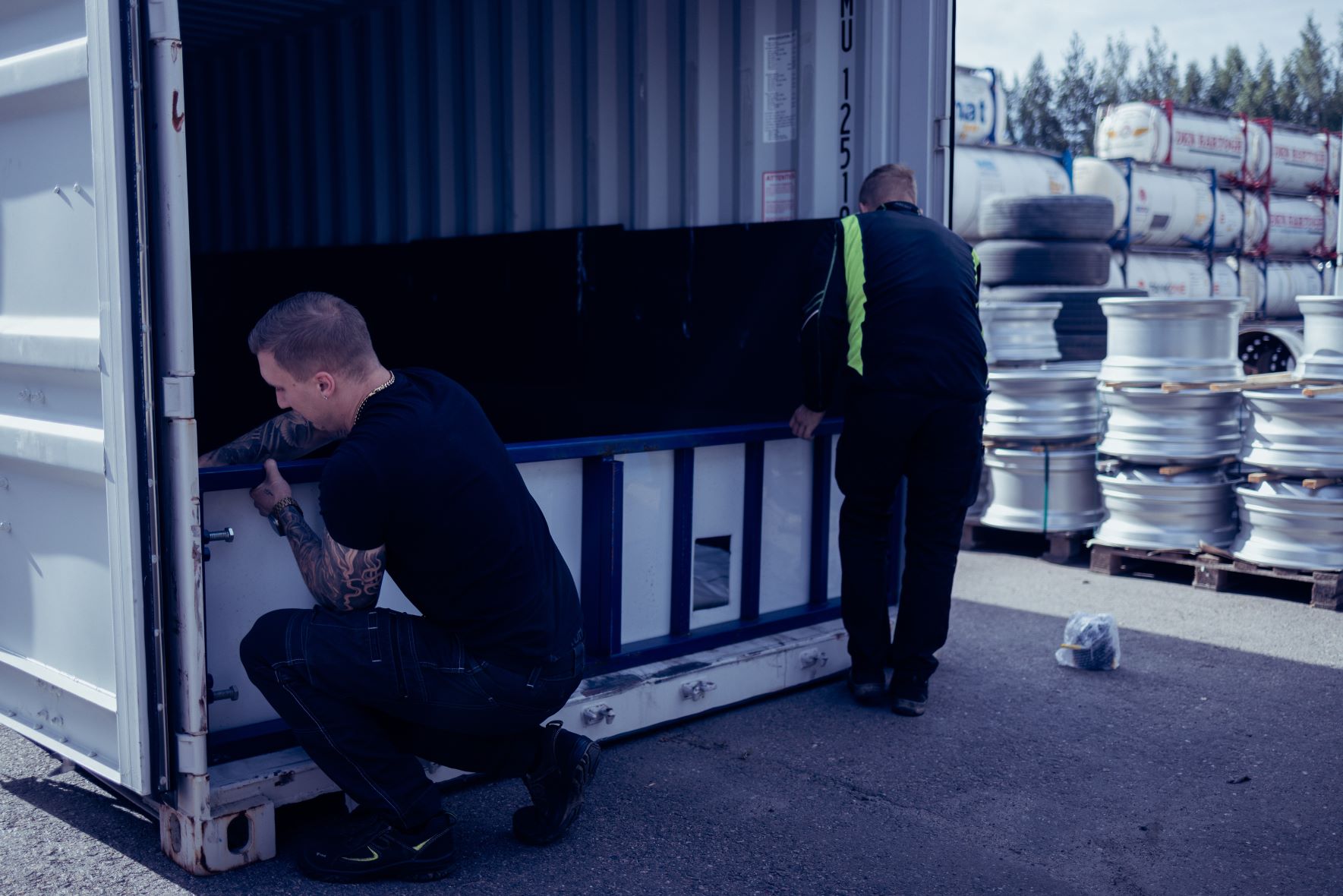
The flexitank system works by fitting the flexible container inside a standard shipping container, where it expands to fill the available space when loaded with liquid. This design allows the flexitank to utilise the full interior dimensions of the container while maintaining structural integrity during transport. The system includes specialised valves and discharge equipment that enable efficient loading and unloading operations.
What makes flexitanks particularly effective for flexitank logistics is their ability to transform any standard container into a liquid transport vessel. This eliminates the need for dedicated tank equipment while maintaining compatibility with existing intermodal transport infrastructure, including ships, trains, and trucks.
What types of liquids can you transport using flexitank logistics?
Flexitank transport is specifically designed for non-hazardous liquids, making it suitable for a wide range of industrial and commercial applications. The system works well for food-grade products, industrial oils, chemicals that do not require specialised handling, and various liquid commodities that do not pose safety risks during transport.
Common cargo types include edible oils, fruit juices, wine, industrial lubricants, glycols, and various chemical products that fall within non-hazardous classifications. Flexitank shipping services are particularly popular with food and beverage manufacturers who need to transport liquid ingredients or finished products across international markets.
However, flexitanks have important limitations. They cannot transport hazardous materials, highly viscous liquids that do not flow easily, or products requiring temperature control beyond basic insulation. Additionally, certain chemicals may be incompatible with the polyethylene construction, making it important to verify compatibility before selecting this transport method.
How much liquid can a flexitank actually hold?
A flexitank can hold up to 27,000 litres of liquid cargo, making it a high-capacity solution for bulk transport. This capacity represents a significant advantage over traditional packaging methods such as drums or intermediate bulk containers (IBCs) when moving large quantities of liquid.
This 27,000-litre capacity means you can transport substantially more liquid in a single container compared with alternative packaging methods. For comparison, the same 20-foot container using standard drums would typically hold around 16,000–18,000 litres, depending on drum size and loading efficiency.
The capacity advantage makes flexitank container services particularly attractive for businesses that regularly ship large volumes of liquid products. This efficiency translates into better container utilisation, reduced packaging costs, and simplified handling procedures compared with managing hundreds of individual packages.
What are the main advantages of choosing flexitank logistics?
Flexitank logistics offers cost-efficiency, reliability, and operational flexibility for bulk liquid shipments without requiring complex logistics management or specialised equipment investments. The system provides significant cost savings compared with traditional packaging methods while maintaining high safety standards.
The primary advantage lies in the operational simplicity. You do not need to manage specialised tank containers or worry about equipment positioning and availability. Flexitank freight forwarding operates using standard shipping containers, which means better availability and more flexible routing options through existing logistics networks.
Additional benefits include reduced packaging waste, faster loading and unloading procedures, and lower overall transport costs per litre. The system also eliminates the need for container cleaning between different products, as each flexitank is single-use. This makes it particularly suitable for businesses that ship various liquid products and want to avoid cross-contamination concerns.
How does flexitank logistics compare to ISO tank transport?
Flexitanks and ISO tanks serve different operational needs, with flexitanks offering cost-effectiveness for non-hazardous liquids, while ISO tanks provide specialised capabilities for hazardous materials and temperature-controlled cargo. The choice between them depends on your specific cargo requirements and operational priorities.
Flexitank transport services work best for straightforward liquid shipments where you want cost-effective, single-use containers. They offer operational simplicity because you do not need to manage specialised equipment or coordinate return logistics for empty containers.
ISO tanks, conversely, are reusable stainless steel containers that can handle hazardous materials, provide precise temperature control, and offer multi-trip economics for regular shipping routes. However, they require more complex logistics management, including equipment positioning, cleaning, and maintenance scheduling.
The key difference from a business perspective is that flexitanks provide immediate availability and simplified operations, while ISO tanks offer specialised capabilities but require more comprehensive logistics planning. Your choice should align with whether you prioritise operational simplicity or need specialised transport capabilities.
Understanding these differences helps you select the most appropriate bulk liquid transport method for your specific operational requirements. Both solutions have their place in modern logistics, and the decision often comes down to cargo type, shipping frequency, and preferred level of operational complexity.
For businesses seeking reliable flexitank logistics services, we at Transitainer Shipping provide comprehensive flexitank solutions with door-to-door delivery, technical support, and nationwide depot networks to ensure your liquid cargo reaches its destination safely and efficiently. Contact us for more information about our flexitank services.