Liner bags are one of those dry bulk shipping solutions that often fly under the radar, yet they solve a very real problem: how do you transport loose, dry goods in a standard shipping container without contamination, spillage, or excessive packaging waste? If you work with granules, powders, or other dry commodities, understanding how liner bags work can help you make smarter decisions about your dry bulk container logistics services.
This article covers the most common questions about liner bags in dry bulk shipping—from what they are and how they function to how they compare with other bulk transport options. Whether you are new to dry bulk freight services or looking to refine your approach, you will find practical, straightforward answers here.
What is a liner bag in dry bulk shipping?
A liner bag is a large, flexible bag made from polyethylene or polypropylene film that fits inside a standard shipping container to create a sealed, protective inner lining. It transforms an ordinary container into a bulk cargo carrier, allowing dry goods to be loaded directly into the bag rather than into individual sacks or drums.
In dry bulk container shipping, liner bags serve as a barrier between the cargo and the container walls. This matters because standard containers are not designed to hold loose bulk materials. Without a liner, goods can absorb moisture from the container structure, become contaminated by residues from previous shipments, or shift and compact unevenly during transit. The liner bag addresses all of these risks in one straightforward solution.
Liner bags are typically single-use and designed to fit the interior dimensions of a 20-foot or 40-foot container. They include a filling spout at one end for loading and a discharge spout at the other for unloading. Some designs also include venting systems to allow air to escape during filling, which helps the cargo settle efficiently and prevents pressure buildup inside the bag.
How does a liner bag work inside a container?
A liner bag works by being installed inside an empty container before loading. The bag is unfolded and secured to the container walls and floor using straps or adhesive. Once in place, dry bulk cargo is loaded through the filling spout, typically using pneumatic blowing equipment or gravity-fed systems. The bag expands to fill the container space as cargo flows in.
During transport, the sealed bag keeps the cargo contained and protected from external moisture, dust, and contamination. The container structure itself provides the rigidity and strength needed to handle the weight and movement of the bulk load, while the liner handles the hygiene and containment side of things.
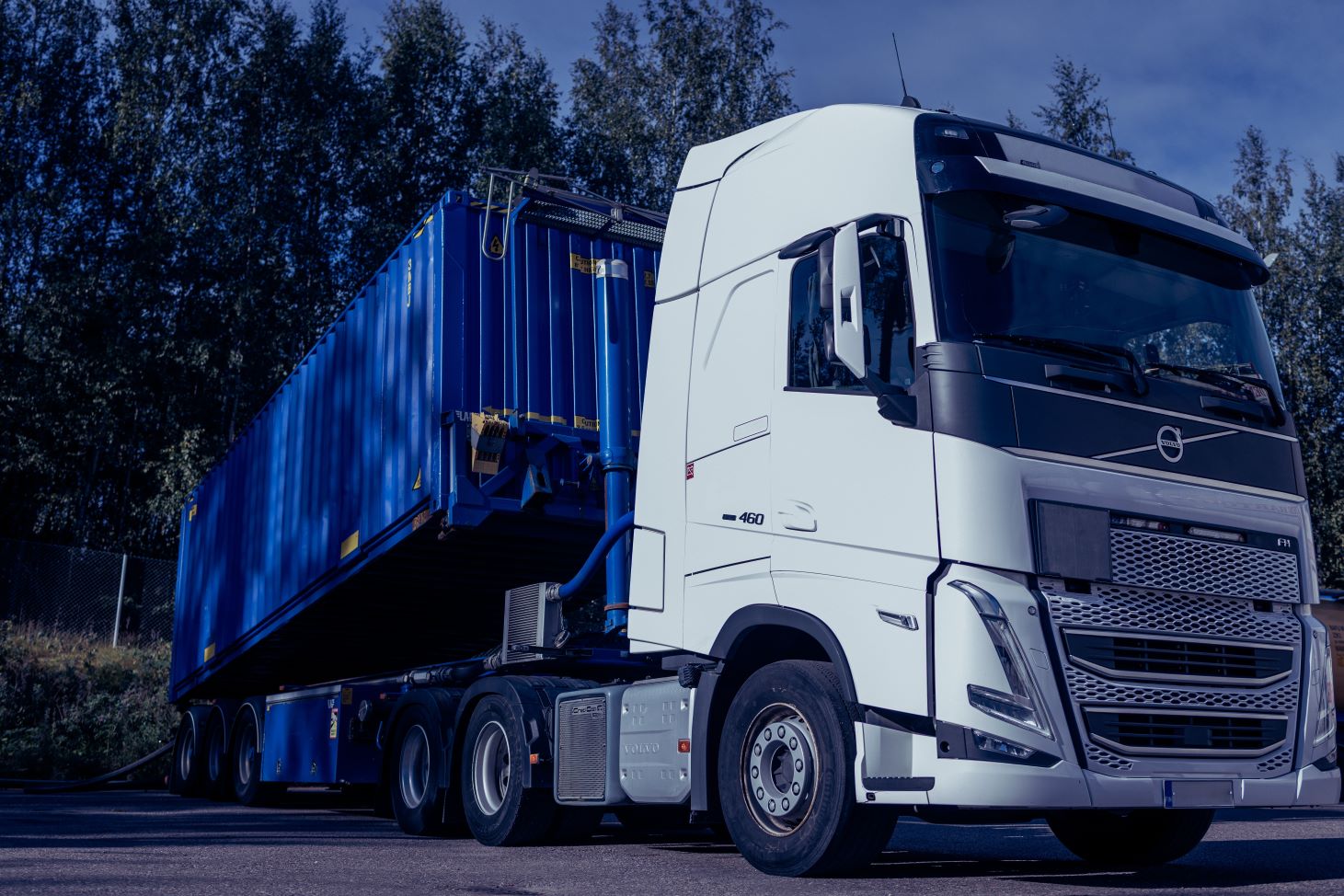
At the destination, unloading is done by tilting the container on a tipping chassis, which causes the cargo to flow out through the discharge spout at the lower end. For destinations with silo infrastructure, container-to-silo transfers are possible using rotary valve systems, which allow precise, controlled discharge without dust or spillage. This makes liner bag systems compatible with a wide range of receiving facilities, from basic tipping platforms to fully automated silo terminals.
What types of cargo are liner bags used for?
Liner bags are used for free-flowing dry bulk cargo that does not require rigid packaging. Common cargo types include food-grade products such as sugar, starch, flour, and granulated ingredients, as well as chemical granules, plastic pellets, resin powders, and agricultural commodities like seeds and animal feed.
The suitability of a liner bag depends largely on the flow characteristics of the cargo and its sensitivity to moisture or contamination. Food-grade liner bags are manufactured to meet hygiene standards and are free from additives that could transfer to the product. Chemical-grade liners may have different specifications depending on the nature of the substance being transported.
It is worth noting that liner bags are not suitable for hazardous goods that require pressure-rated or chemically resistant containment, nor are they appropriate for cargo that does not flow freely enough to be discharged through a spout. For those applications, other dry bulk transport solutions or specialized containers are a better fit.
What is the difference between a liner bag and a flexitank?
The main difference between a liner bag and a flexitank is the state of the cargo they carry. A liner bag is designed for dry bulk cargo, such as granules and powders, while a flexitank is designed for bulk liquid cargo. Both fit inside a standard 20-foot container, but they are built for entirely different physical properties and loading methods.
A flexitank is a large, bladder-like container made from multiple layers of polyethylene film. It can hold up to 27,000 litres of non-hazardous liquid cargo, such as food oils, syrups, non-hazardous chemicals, or beverages. The liquid is pumped in and out through a valve system, and the flexitank expands to fill the container as it is filled. The container walls absorb the hydrostatic pressure of the liquid during transit.
A liner bag, by contrast, relies on gravity and pneumatic systems for loading and unloading. The cargo is solid and free-flowing rather than liquid, so the containment requirements are different. Liner bags focus on preventing moisture ingress and contamination, while flexitanks focus on preventing leaks and maintaining liquid integrity.
From a practical standpoint, the choice between the two comes down entirely to the form of your cargo. If you are shipping a liquid, a flexitank is the relevant solution. If you are shipping dry bulk materials, a liner bag is what you need. Both solutions share the advantage of using standard containers, which simplifies intermodal transport and reduces handling complexity.
What are the main advantages of using liner bags for bulk shipping?
The main advantages of liner bags in dry bulk shipping are cost efficiency, cargo protection, and logistical simplicity. By using a standard container fitted with a liner bag, you avoid the need for specialized bulk containers or excessive secondary packaging, which reduces both equipment costs and handling time.
- Cost efficiency: Liner bags allow you to use standard 20-foot or 40-foot containers for bulk cargo, which are widely available and competitively priced. You avoid the premium associated with specialized bulk equipment.
- Cargo protection: The sealed liner creates a barrier against moisture, dust, and contamination from previous cargo residues, which is particularly important for food-grade and sensitive chemical products.
- Reduced packaging waste: Shipping bulk cargo in a single liner bag instead of hundreds of individual sacks significantly reduces packaging material and the labor involved in filling and handling smaller units.
- Flexible discharge options: Liner bags are compatible with tipping chassis systems and container-to-silo transfers, giving you flexibility in how and where cargo is unloaded.
- Intermodal compatibility: Because liner bags work inside standard containers, they integrate smoothly with sea, road, and rail transport, making them a practical choice for international dry bulk freight forwarding.
For businesses that ship dry bulk commodities regularly, liner bags also reduce the risk of product loss during loading and unloading compared to open-top or loose-fill methods. The contained system means less spillage, less cleaning, and more predictable cargo weights at the destination.
What should you check when choosing a liner bag supplier?
When choosing a liner bag supplier, you should verify the quality of the bag material, the supplier’s experience with your specific cargo type, their compatibility with your loading and unloading infrastructure, and whether they offer recycling or disposal solutions for used bags.
Material quality and certification
Not all liner bags are manufactured to the same standard. For food-grade cargo, you need bags that meet relevant food safety certifications and are free from harmful additives. For chemical cargo, confirm that the liner material is chemically compatible with your product. Ask suppliers for material data sheets and certification documentation before committing.
Fit with your logistics setup
Consider how the liner bag integrates with your existing loading and unloading processes. If your receiving facility uses a rotary valve system for silo transfers, confirm that the liner’s discharge spout is compatible. If you rely on tipping chassis for unloading, check that the bag’s design supports clean, complete discharge without residue buildup.
Technical support and recycling
A reliable supplier should be able to provide technical guidance on installation and handling, not just sell you a product. Ask whether they offer on-site fitting support or training for your logistics team. Recycling programs for used liner bags are also worth looking for, particularly if sustainability is a priority for your business.
At Transitainer Shipping, we handle dry bulk container logistics end-to-end, including the use of high-quality liner bags for both food-grade and chemical granule shipments. Our services cover door-to-door transport, flexible inland solutions with tipping chassis, container-to-silo transfers, and recycling support, all backed by a trusted partner network across the Nordics and the Baltics. If you are looking for a dry bulk logistics provider that understands the full picture, reach out to our team and we will help you find the right solution for your cargo.