The liquid transport industry has undergone a significant transformation with the widespread adoption of ISO tank containers. These standardised vessels have changed how businesses approach bulk logistics solutions, offering advantages that traditional methods simply cannot match. Unlike conventional shipping approaches that rely on drums, barrels, or dedicated tanker trucks, ISO tank containers provide a unified system that works across different transport modes and global networks.
For businesses handling liquid cargo, whether chemicals, food-grade products, or gases, understanding these advantages can help you make informed decisions about your supply chain management services. The shift towards containerised liquid transport reflects broader changes in how companies prioritise efficiency, cost control, and operational flexibility in their logistics operations.
What makes ISO tank containers different from traditional shipping
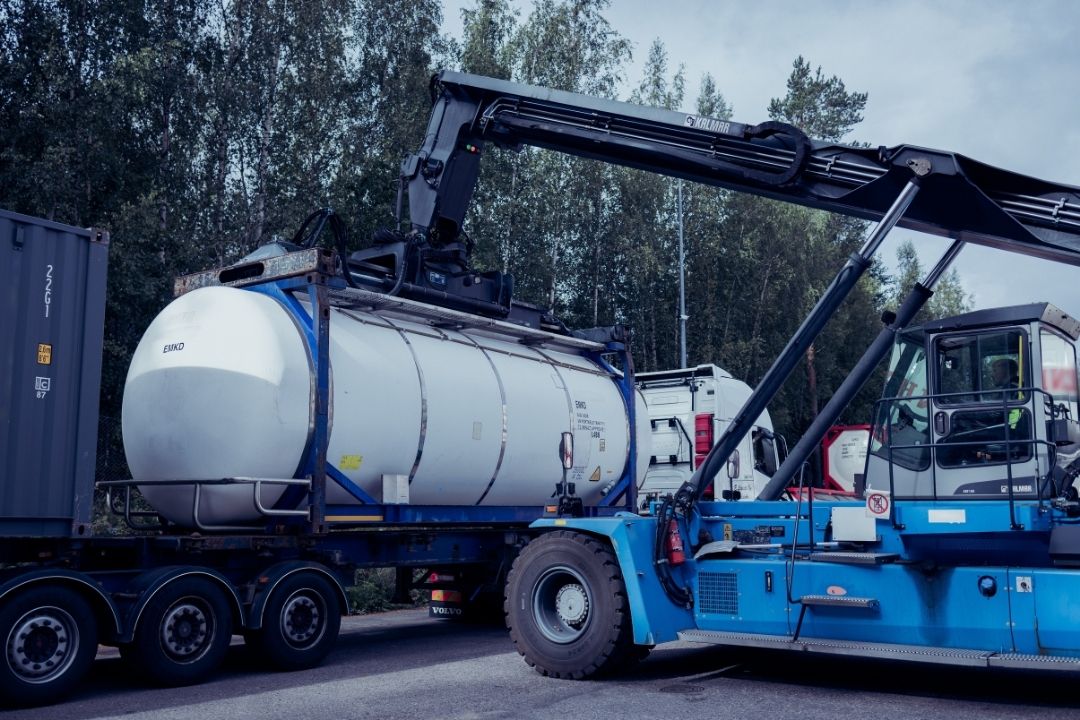
ISO tank containers represent a fundamental departure from traditional liquid transport methods. Where conventional approaches might use multiple drums or require dedicated tanker vehicles, these containers offer a standardised solution that integrates seamlessly with existing container infrastructure worldwide.
The standardisation aspect cannot be overstated. Traditional methods often require specialised handling equipment and procedures that vary by location and transport mode. ISO tank containers, by contrast, use universal dimensions and connection points that work with standard container handling equipment at ports, rail terminals, and distribution centres globally.
This standardisation extends to safety and regulatory compliance as well. Rather than managing multiple packaging standards across different jurisdictions, businesses can rely on internationally recognised ISO tank specifications that meet regulatory requirements across various countries and transport modes.
The design differences also impact cargo protection. Traditional packaging methods expose liquid cargo to multiple transfer points, increasing contamination risks and product loss. ISO tank containers maintain a closed system throughout the journey, preserving product integrity and reducing waste.
How global operations eliminate scheduling headaches
Managing liquid transport logistics traditionally requires coordinating multiple service providers, each with their own schedules and operational constraints. This complexity multiplies when dealing with international shipments that cross multiple transport modes and jurisdictions.
Professional tank container operators manage global networks that remove this burden from customers. Rather than coordinating separate trucking, shipping, and rail services, businesses can work with comprehensive tank container service providers who handle end-to-end logistics through established global partnerships.
This operational model transforms how companies approach supply chain management services. Instead of maintaining relationships with multiple transport providers across different regions, businesses can rely on operators who have already established these networks and can provide consistent service standards worldwide.
The scheduling advantages become particularly apparent in complex international movements. Traditional approaches might require separate bookings with ocean carriers, inland transport providers, and terminal operators. Tank container operators coordinate these elements as part of their standard service, eliminating the need for customers to manage multiple schedules and potential delays between different service providers.
Why flexibility and scalability matter for your business
Business requirements rarely remain static, and transport solutions need to adapt accordingly. Traditional liquid transport methods often lock businesses into specific volumes, routes, or service patterns that become constraints as operations evolve.
ISO tank container services provide operational flexibility that adapts to changing requirements. The same container that handles chemicals can be cleaned and reconfigured for food-grade products. Temperature-controlled requirements can be accommodated through specialised equipment without changing the fundamental transport approach.
Scalability becomes particularly important for growing businesses or those with seasonal variations. Traditional approaches might require long-term commitments to dedicated transport assets or fixed service agreements. Professional tank container operators can scale capacity up or down based on actual requirements, providing access to equipment and services without the capital investment.
The flexibility extends to route optimisation as well. Rather than being constrained by fixed routes or service schedules, tank container operations can adapt to changing market conditions, new trade routes, or evolving customer requirements while maintaining service quality and cost effectiveness.
The cost advantages of managed tank container services
Cost comparison between traditional and containerised liquid transport involves more than simple rate comparisons. Traditional methods often include hidden costs related to packaging materials, multiple handling charges, insurance premiums for increased risk exposure, and administrative overhead for managing multiple service providers.
Managed tank container services typically offer transparent pricing models that include all elements of the transport chain. This comprehensive approach eliminates surprise charges and makes budgeting more predictable. The pricing reflects the complete service rather than individual components that might be priced separately in traditional approaches.
Professional operators achieve cost optimisation through route management expertise and equipment utilisation efficiency. They can combine shipments, optimise return loads, and leverage established relationships with transport providers to achieve better rates than individual shippers could negotiate independently.
The cost advantages also include reduced product loss and contamination risks. Traditional packaging methods typically result in higher product loss rates due to multiple transfer points and less secure containment. Tank containers maintain product integrity throughout the journey, reducing waste and associated costs.
Administrative efficiency represents another cost advantage. Managing multiple service providers requires internal resources for coordination, documentation, and problem resolution. Managed services consolidate these requirements under a single provider relationship, reducing internal overhead while improving service coordination.
The transformation of liquid transport through ISO tank containers reflects broader industry trends towards standardisation, efficiency, and service integration. For businesses evaluating their bulk logistics solutions, these containers offer advantages that extend beyond simple transport to encompass supply chain optimisation, cost control, and operational flexibility. At Transitainer Shipping, we’ve built our operations around these principles, providing managed tank container services that eliminate the complexities of traditional liquid transport while delivering the reliability and flexibility that modern businesses require. To discuss your specific requirements, contact our logistics specialists today.