Chemical dry bulk transport requires comprehensive safety measures to protect workers, the environment, and surrounding communities from potential hazards. These materials demand specialized handling procedures, proper container preparation, appropriate personal protective equipment, and detailed emergency response protocols. Understanding these requirements helps ensure safe transportation of chemical granules, powders, and other dry bulk commodities.
What makes chemical dry bulk transport different from regular cargo shipping?
Chemical dry bulk materials pose unique risks including toxicity, corrosiveness, flammability, and environmental contamination that standard cargo doesn’t present. Unlike regular goods, these materials can release harmful dust, react with moisture or air, or create explosive atmospheres during transport.
The fundamental difference lies in the potential for chemical reactions and health hazards. Regular cargo typically remains inert during transport, while chemical dry bulk materials may generate toxic vapors, cause respiratory problems, or react dangerously with other substances. This creates the need for specialized containers with proper sealing, ventilation systems, and contamination prevention measures.
Dry bulk transport solutions for chemicals require enhanced safety protocols because even small amounts of material exposure can have serious consequences. The powdered or granular nature of these materials means they can become airborne easily, creating inhalation risks and potential fire hazards that don’t exist with solid packaged goods.
What safety regulations govern chemical dry bulk transportation?
International chemical dry bulk transport falls under multiple regulatory frameworks including the International Maritime Dangerous Goods Code (IMDG), European Agreement concerning the International Carriage of Dangerous Goods by Road (ADR), and national transportation safety regulations that classify materials and mandate specific handling requirements.
The classification system divides chemical materials into hazard classes based on their primary risks. Class 8 covers corrosive substances, Class 4 includes flammable solids, and Class 6 encompasses toxic materials. Each classification determines specific packaging, labeling, and transport requirements that dry bulk shipping companies must follow.
Compliance requirements include proper documentation, driver certification, vehicle inspection, and emergency response planning. Transport companies must maintain detailed records of material safety data sheets, ensure drivers receive hazardous materials training, and implement route planning that considers population density and environmental sensitivity.
How do you properly prepare containers for chemical dry bulk cargo?
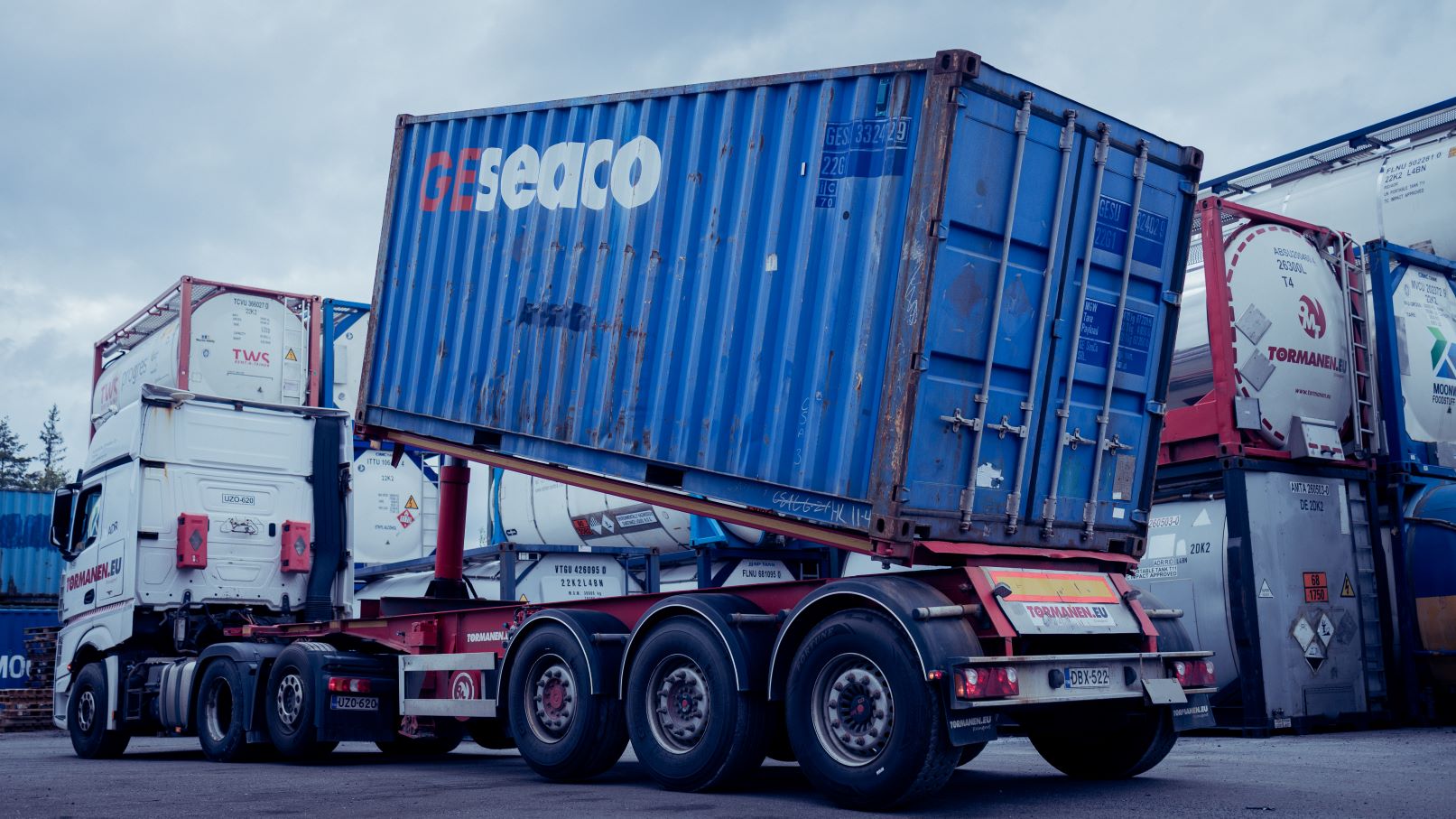
Container preparation begins with thorough cleaning to remove any residual materials that could react with the new cargo. This involves washing with appropriate solvents, steam cleaning, and complete drying to prevent contamination or dangerous chemical reactions during transport.
The cleaning process must be documented and verified through inspection. Dry bulk container services typically require visual inspection for residue, odor testing, and sometimes chemical analysis to confirm cleanliness. The container interior must be completely dry, as moisture can trigger reactions with many chemical materials.
Installation of appropriate liner bags comes next, using food-grade or chemical-resistant materials depending on the cargo. These liners prevent direct contact between the chemical and container walls, making cleaning easier and reducing cross-contamination risks. Proper sealing ensures the liner can contain the material throughout transport.
Final inspection covers structural integrity, checking for cracks, holes, or weak points that could allow material escape. The container’s sealing mechanisms, ventilation systems, and safety equipment must all function properly before loading begins.
What personal protective equipment is required for handling chemical dry bulk materials?
Workers handling chemical dry bulk materials need respiratory protection, chemical-resistant clothing, eye protection, and emergency safety equipment. The specific PPE requirements depend on the material’s hazard classification and the potential exposure levels during handling operations.
Respiratory protection ranges from dust masks for low-toxicity materials to full-face respirators with appropriate filters for highly toxic substances. Dry bulk logistics providers must ensure workers understand proper respirator fitting, maintenance, and replacement schedules to maintain protection effectiveness.
Chemical-resistant suits protect against skin contact and contamination. These may include disposable coveralls for low-risk materials or fully encapsulated suits for highly dangerous substances. Gloves must be compatible with the specific chemicals being handled, as some materials can penetrate standard protective gloves.
Emergency equipment includes eyewash stations, emergency showers, and first aid supplies specific to chemical exposure. Workers need immediate access to decontamination facilities and emergency communication systems to respond quickly to accidents or exposure incidents.
How do you handle emergencies during chemical dry bulk transport?
Emergency response starts with immediate containment to prevent material spread and exposure escalation. This includes stopping the vehicle safely, isolating the affected area, and implementing spill containment measures while ensuring worker safety and public protection.
Communication protocols require immediate notification of emergency services, transport company dispatch, and environmental authorities. Drivers must carry emergency contact information, material safety data sheets, and specific response procedures for their cargo. Dry bulk freight forwarding operations maintain 24-hour emergency response capabilities.
Spill containment involves using appropriate absorbent materials, creating barriers to prevent spread, and avoiding actions that could worsen the situation. Different chemical materials require specific containment approaches – some need dry cleanup methods while others require neutralization before cleanup can begin.
Decontamination procedures ensure affected personnel receive proper treatment and equipment is safely cleaned or disposed of. This includes establishing decontamination zones, providing medical attention for exposed workers, and coordinating with hazardous materials specialists for proper cleanup and disposal.
Chemical dry bulk transport safety requires comprehensive planning, proper equipment, and trained personnel to manage the unique risks these materials present. The combination of regulatory compliance, proper preparation, appropriate protective equipment, and emergency preparedness creates the foundation for safe chemical transport operations. We specialize in dry bulk transport solutions that prioritize safety while delivering reliable logistics services for chemical and industrial materials across global markets. For more information about our specialized chemical transport capabilities, contact our expert team today.