
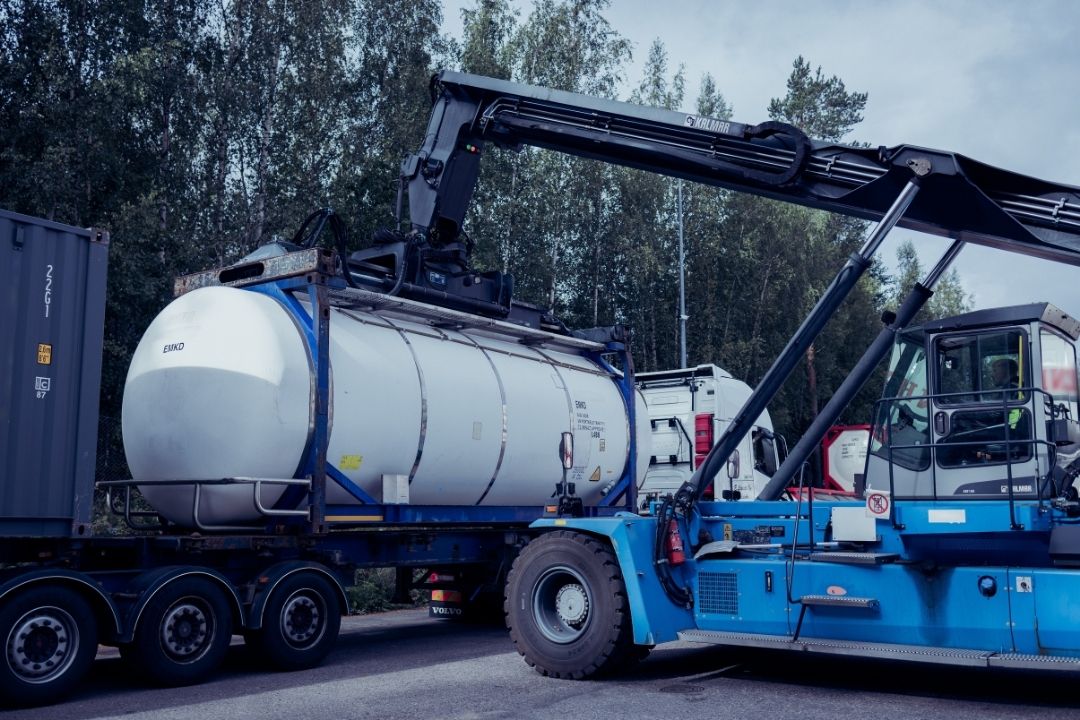
Moving bulk liquids and gases across international markets requires specialised transport solutions that can handle diverse cargo types while maintaining safety and efficiency standards. ISO tank container services have become the backbone of modern bulk logistics solutions, offering businesses reliable methods to transport everything from food-grade liquids to hazardous chemicals.
This guide explores how ISO tank containers work in 2026, comparing them with alternative solutions like flexitanks, and examining what makes professional tank container operations effective for international supply chains. You’ll discover the cargo types these containers handle, how global operations manage complex logistics, and what quality standards drive reliable service delivery.
What are ISO tank containers and why businesses choose them
ISO tank containers are standardised steel containers designed specifically for transporting bulk liquids and gases. Built to international ISO standards, these containers feature a cylindrical tank housed within a rectangular steel frame that matches standard shipping container dimensions. This design allows them to integrate smoothly with existing intermodal transport systems across ships, trains, and trucks.
The standardised design creates global compatibility that eliminates many logistical headaches. You can move your cargo from a production facility in Finland to a customer in Asia using the same container throughout the journey, without transferring liquids between different vessels. This continuity reduces contamination risks and handling costs.
Businesses choose ISO tanks because they offer handling efficiency that other transport methods cannot match. The containers connect directly to loading and unloading equipment, reducing labour requirements and processing time. Their robust construction also provides better protection for valuable or sensitive cargo compared to alternative transport methods.
How ISO tank services handle different cargo types
Professional ISO tank container services accommodate a wide range of liquid and gas cargo types, each requiring specific handling protocols and container specifications. Food-grade liquids like oils, syrups, and beverage ingredients need containers with special interior coatings and cleaning procedures to maintain hygiene standards.
Chemical cargo presents different challenges, requiring containers rated for specific chemical compatibility and pressure requirements. Hazardous materials need additional safety certifications and handling procedures that comply with international dangerous goods regulations. Gas cargo requires pressure-rated containers with specialised valve systems and monitoring equipment.
The container specifications vary based on cargo requirements. Some liquids need temperature control systems, while others require specific interior materials or pressure ratings. Professional operators maintain fleets of different container types to match cargo needs, ensuring your products travel in appropriate conditions throughout the journey.
Global operations and end-to-end logistics management
Worldwide tank container operations differ significantly from scheduled shipping services because they operate without fixed route limitations. This flexibility allows operators to create customised transport solutions that connect your specific pickup and delivery locations, regardless of whether they sit on major shipping routes.
The logistics coordination covers every aspect of the transport process, from initial pickup at your facility through customs clearance, international transport, and final delivery. This comprehensive approach means you work with one operator throughout the entire journey rather than coordinating multiple service providers.
Professional operators handle documentation, regulatory compliance, and customs procedures across different countries. They manage container positioning, cleaning between loads, maintenance schedules, and tracking systems that provide visibility throughout the transport process. This end-to-end management reduces your administrative burden while ensuring reliable service delivery.
ISO tanks vs flexitanks: choosing the right solution
The choice between ISO tanks and flexitanks depends on your specific cargo requirements and operational needs. Flexitanks offer higher capacity, holding up to 27,000 litres compared to typical ISO tank capacities, making them cost-effective for large volume shipments of compatible liquids.
Flexitanks work well for non-hazardous liquids that don’t require temperature control or special handling procedures. They’re particularly suitable for food-grade oils, wines, and industrial liquids that can travel in flexible bladder systems. However, they’re limited to sea freight and require standard dry containers for transport.
ISO tanks provide greater versatility for different cargo types, including hazardous materials, gases, and temperature-sensitive products. They offer better protection and can move across multiple transport modes without cargo transfer. The choice often comes down to whether you need the flexibility and protection of ISO tanks or the higher capacity and lower cost per litre of flexitanks.
Quality control and operational reliability in tank services
Consistent quality management in professional tank container operations starts with systematic cleaning and maintenance procedures between loads. Operators follow strict protocols to prevent cross-contamination and ensure containers meet the required standards for each cargo type.
Transport route optimisation involves more than finding the shortest path between locations. Professional operators consider factors like customs procedures, infrastructure quality, weather conditions, and regulatory requirements across different countries. This planning reduces delays and ensures reliable delivery schedules.
Operational adaptability allows quality operators to respond quickly to changing requirements or unexpected situations. They maintain equipment reserves, alternative routing options, and partnerships that enable them to adjust plans when needed. Supply chain management services include transparent cost structures that clearly outline what’s included in the service, avoiding unexpected charges that can disrupt your budget planning.
Professional operators also provide regular updates on shipment status, maintain comprehensive insurance coverage, and offer technical support throughout the transport process. This reliability comes from experience managing complex international logistics and understanding the specific requirements of different cargo types.
Choosing the right ISO tank container service requires understanding your specific cargo requirements, volume patterns, and operational priorities. Whether you need the flexibility of global tank container operations or the cost efficiency of flexitank solutions, working with experienced operators ensures your bulk logistics run smoothly. At Transitainer Shipping, we specialise in providing comprehensive tank container services that adapt to your business needs, offering the reliability and expertise that international bulk cargo transport demands. Contact us today to discuss your specific requirements.