
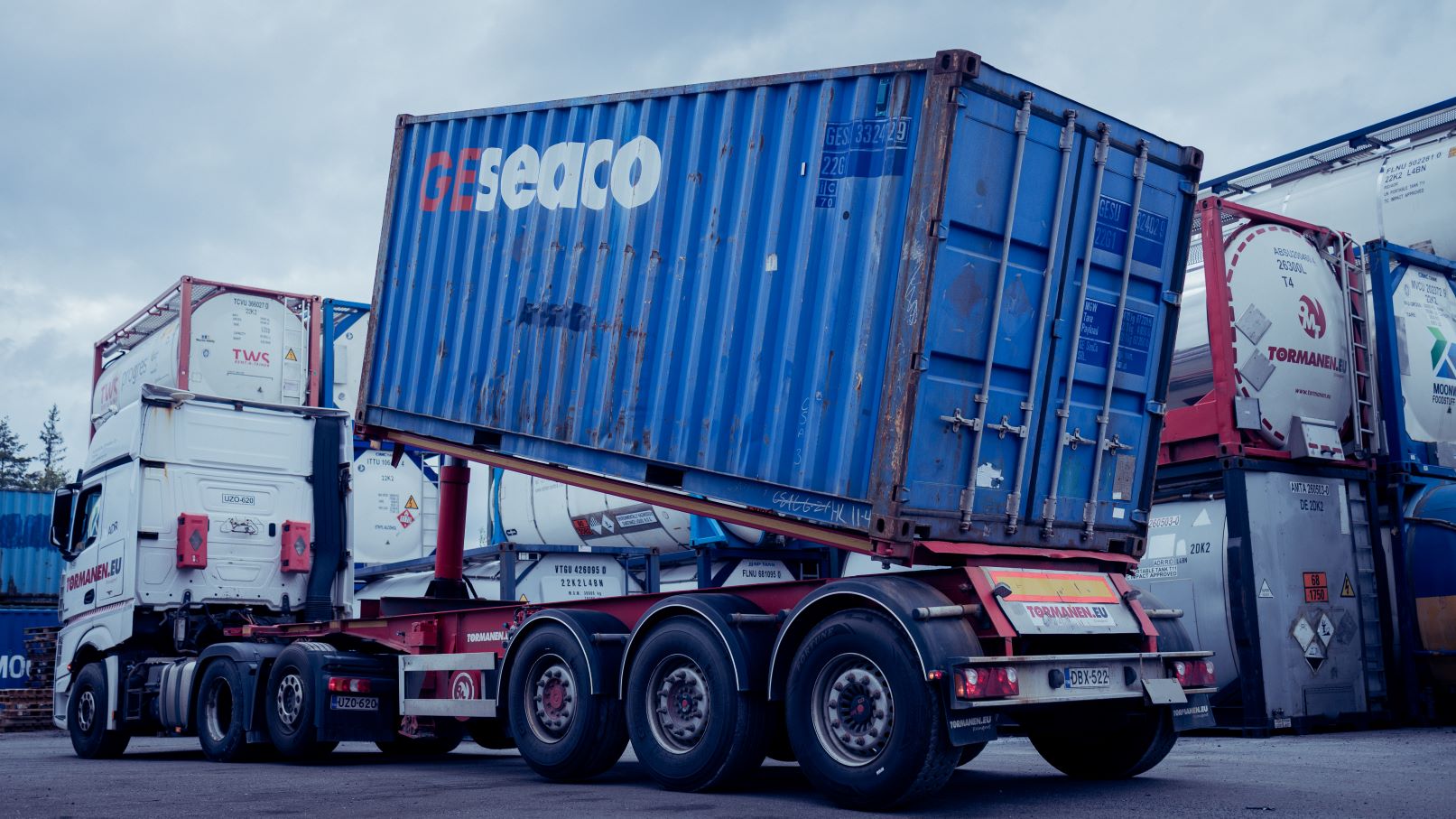
Choosing the right supply chain management partner can make or break your bulk cargo operations. Whether you’re shipping chemicals across continents or moving food-grade liquids between facilities, the logistics provider you select directly impacts your costs, delivery times, and operational reliability.
Many businesses struggle with finding providers who truly understand their specific cargo requirements. Generic logistics companies often lack the specialised equipment and expertise needed for bulk liquids, gases, and dry commodities. This guide walks you through the important factors to consider when selecting supply chain management services that actually deliver results for your business.
You’ll learn how to evaluate potential partners, identify the warning signs of inadequate service providers, and ask the right questions to ensure your chosen logistics partner can handle your unique operational needs effectively.
What makes supply chain management services worth your investment
Professional supply chain management delivers three core benefits that directly impact your bottom line: operational efficiency, cost optimisation, and risk reduction. When you work with experienced logistics providers, you gain access to established networks, specialised equipment, and industry expertise that would be expensive to develop internally.
Efficiency gains come from streamlined processes and optimised routing. Quality logistics partners handle the complex coordination between different transport modes, manage documentation requirements, and ensure smooth transitions at terminals and borders. This reduces delays and minimises the administrative burden on your team.
Cost optimisation extends beyond simple freight rates. Experienced providers help you choose the most suitable transport solutions for your cargo type. For liquid shipments, this might mean selecting between ISO tank containers for hazardous materials or flexitanks for non-hazardous liquids. The right choice can significantly impact your transport costs and cargo safety.
Risk mitigation becomes particularly important when handling specialised cargo. Professional logistics providers maintain proper certifications, follow safety protocols, and carry appropriate insurance coverage. They understand regulatory requirements across different countries and can navigate customs procedures efficiently.
How to evaluate logistics providers for bulk cargo needs
Start by assessing the provider’s equipment capabilities and global reach. For liquid cargo, verify they operate both ISO tank containers and flexitank services. ISO tanks work well for chemicals, gases, and food-grade products that require dedicated equipment, while flexitanks offer cost-effective solutions for non-hazardous liquids with capacities up to 27,000 litres.
Examine their service coverage and operational model. Global tank container operations eliminate concerns about scheduled routes because providers manage logistics end-to-end. This approach offers more flexibility than working with multiple regional partners who might not coordinate effectively.
Review their technical expertise for your specific cargo types. Bulk logistics solutions require different handling approaches depending on the commodity. Dry bulk transport might need specialised liner bags, tipping chassis, or silo delivery systems. Liquid cargo could require temperature control, cross-pumping capabilities, or specific cleaning procedures between shipments.
Evaluate their support services beyond basic transport. Comprehensive providers offer customs clearance, documentation handling, terminal services, and maintenance support. This integrated approach reduces your administrative workload and ensures better coordination across the supply chain.
Why specialised cargo handling matters for your business
Different cargo types have unique requirements that generic logistics providers often overlook. Food-grade liquids need hygienic handling procedures, dedicated equipment, and temperature control capabilities. Mixing food products with chemical transport equipment can contaminate your cargo and violate safety regulations.
Hazardous materials require specialised certifications, safety protocols, and emergency response procedures. Providers handling these shipments must understand international dangerous goods regulations and maintain proper documentation. Inadequate handling can result in regulatory fines, cargo damage, or safety incidents.
Temperature-controlled shipments need providers with appropriate equipment and monitoring capabilities. This includes both heating systems for high-temperature cargo and cooling solutions for temperature-sensitive products. The provider should offer real-time monitoring and have contingency plans for equipment failures.
ISO tank container services become important for businesses requiring dedicated equipment or handling multiple shipments of the same product. These containers offer better cargo protection and can be customised for specific products, but they require providers with global tank fleets and maintenance networks.
Questions to ask potential supply chain partners
Ask about their equipment ownership and management model. Do they own their tank containers and flexitanks, or do they subcontract to third parties? Direct ownership typically provides better service consistency and cost transparency.
Inquire about their geographic coverage and local expertise. Can they handle door-to-door delivery in your key markets? Do they have local offices or reliable partners in the regions where you operate? This becomes particularly important for complex routes involving multiple countries.
Request details about their customs and documentation services. How do they handle import/export procedures? Can they manage complex regulatory requirements for your specific cargo types? Efficient customs clearance can significantly reduce transit times and costs.
Discuss their quality standards and safety procedures. What certifications do they maintain? How do they ensure cargo quality during transport? What happens if equipment fails or cargo is damaged? Understanding their quality management approach helps you assess potential risks.
Clarify their pricing structure and service scope. Are costs transparent and predictable? What services are included in their standard offering versus additional charges? This helps you compare providers accurately and avoid unexpected expenses.
Red flags to avoid when choosing logistics services
Beware of providers who offer generic solutions without understanding your specific cargo requirements. If they cannot explain the differences between transport options or recommend the most suitable approach for your products, they likely lack the necessary expertise.
Limited geographic coverage or heavy reliance on subcontractors can create coordination problems. Providers who cannot offer direct service in your key markets may struggle to maintain service quality and resolve issues quickly.
Poor communication and slow response times often indicate operational problems. If potential partners take days to respond to inquiries or cannot provide clear information about their services, they may not be reliable during actual operations.
Inadequate insurance coverage or missing certifications represent serious risks. Verify that providers carry appropriate insurance for your cargo values and maintain relevant safety certifications for your product types.
Lack of industry-specific expertise becomes apparent when providers cannot discuss technical requirements, regulatory compliance, or handling procedures relevant to your cargo. Generic logistics companies may not understand the complexities of bulk cargo transport.
Choosing the right supply chain management partner requires careful evaluation of their capabilities, expertise, and service approach. Focus on providers who understand your specific cargo requirements and can offer integrated solutions that reduce complexity while maintaining quality standards. At Transitainer Shipping, we specialise in bulk cargo transportation with comprehensive services covering tank containers, flexitanks, and dry bulk logistics across global markets. Contact us to discuss your specific requirements.