Shipping bulk liquids internationally comes with a real challenge: how do you move large volumes efficiently without paying for equipment you don’t need or space you won’t fill? Flexitank transport has become a go-to solution for businesses looking for cost-effective bulk liquid transport that doesn’t compromise on reliability. Whether you’re moving food-grade oils, industrial chemicals, or beverages across borders, understanding how flexitanks work helps you make smarter logistics decisions.
This article walks you through the most common questions businesses ask about flexitank transport, from what it is to when it makes more sense than alternatives like ISO tank containers. If you’re evaluating your options for door-to-door bulk cargo logistics services, this is a good place to start.
What is a flexitank and how does it work?
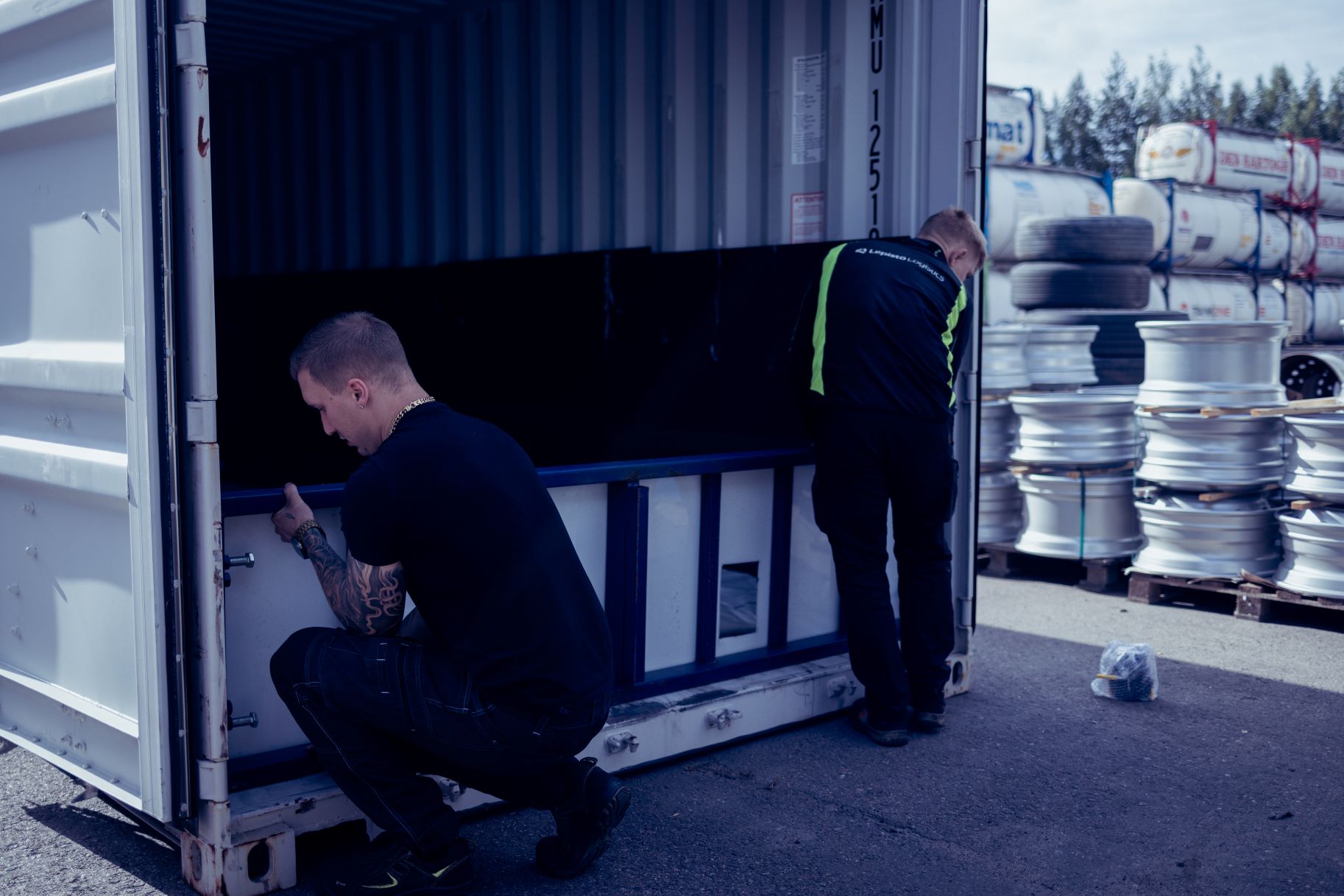
A flexitank is a large, flexible bladder made from food-grade or industrial-grade polyethylene that fits inside a standard 20-foot dry freight container. It can hold up to 27,000 litres of liquid cargo and is designed for single-use transport of non-hazardous bulk liquids. The flexitank is installed inside the container before loading, filled at the origin, and drained at the destination.
The system works by converting an ordinary shipping container into a liquid transport unit without any permanent modifications. Once the flexitank is fitted, the liquid is pumped in through a valve system, and the container is sealed and shipped like any standard freight. At the destination, the liquid is pumped out, and the flexitank is removed for recycling or disposal.
The simplicity of this setup is one of its biggest practical advantages. You don’t need specialised tank equipment to ship bulk liquids. Any standard container slot on a vessel, truck, or rail service can carry a flexitank shipment, which gives you far more routing flexibility than you’d get with dedicated tank equipment.
Why is flexitank transport cheaper than traditional bulk liquid shipping?
Flexitank transport is cheaper primarily because it uses standard dry freight containers instead of specialised equipment. This means lower equipment costs, broader carrier availability, and no return logistics for empty tanks. You pay for the cargo space you use, and because a flexitank can carry up to 27,000 litres in a single 20-foot container, the cost per litre is highly competitive.
Traditional bulk liquid shipping often requires ISO tank containers, which are reusable and need to be returned, cleaned, and repositioned after each use. These operational steps add cost and complexity. Flexitanks, being single-use, eliminate the return leg entirely, which reduces both time and expense in the supply chain.
There’s also a freight market advantage. Because flexitanks use standard container equipment, you can access a wider range of bulk liquid shipping lines and routes. This gives you more options when negotiating freight rates and scheduling shipments, which is particularly useful for businesses shipping to or from regions with limited specialised tank container availability.
What types of bulk liquids are suitable for flexitank transport?
Flexitanks are suitable for non-hazardous bulk liquids, including food-grade products, industrial fluids, and agricultural liquids. Common cargo types include edible oils, wine, fruit juices, syrups, glycerin, latex, and non-hazardous chemicals. The cargo must be compatible with the flexitank material and must not require pressurisation or temperature extremes beyond what the container environment allows.
The food-grade category is particularly well served by flexitank transport. Products like vegetable oils, liquid sweeteners, and beverage concentrates move regularly in flexitanks because the liner material meets hygiene standards, and the single-use design eliminates the risk of cross-contamination from previous cargo.
What flexitanks cannot carry is equally important to understand. Hazardous materials, highly corrosive chemicals, and cargo that requires heating above ambient temperature or pressurisation are not suitable for flexitank transport. For those cargo types, an ISO tank container is the appropriate solution. Knowing where the boundary lies helps you choose the right mode from the start.
What’s the difference between a flexitank and an ISO tank container?
The core difference is that a flexitank is a single-use liner placed inside a standard dry container, while an ISO tank container is a permanent, reusable stainless steel vessel built to international standards. ISO tanks can carry hazardous, pressurised, and temperature-sensitive cargo. Flexitanks are limited to non-hazardous liquids but offer lower costs and greater routing flexibility for suitable cargo.
What this means for your operations
From an operational standpoint, the choice between the two affects more than just equipment. ISO tank containers require cleaning, maintenance, inspection, and repositioning after each use. These are real costs that add up over time, particularly when tanks need to travel back empty across long distances. Flexitanks don’t have a return journey, which simplifies the logistics chain significantly for one-way or imbalanced trade lanes.
When ISO tanks offer advantages flexitanks can’t match
ISO tanks handle a much broader range of cargo. They’re built for chemicals that would degrade or react with polyethylene, for gases, for cryogenic liquids, and for products that need to be heated during transit. They’re also reusable over many years, which makes them a better long-term asset for operators who run regular, high-volume routes with consistent cargo types. For businesses that need tank container transport in the Baltics and beyond for complex or hazardous cargo, ISO tanks remain the reliable choice.
How does flexitank transport reduce the risk of cargo contamination?
Flexitank transport reduces contamination risk primarily through its single-use design. Because each flexitank is brand new for every shipment, there is no residue from previous cargo, no cleaning validation required, and no risk of chemical or biological cross-contamination. This makes flexitanks particularly well suited for food-grade and sensitive liquid cargo.
In contrast, reusable tank equipment must be thoroughly cleaned between cargo types. While cleaning protocols are well established in the industry, they introduce a process step that carries inherent risk if not executed correctly. With a flexitank, that risk simply doesn’t exist, because the liner has never carried anything before.
The material itself also plays a role. Food-grade flexitanks are manufactured from polyethylene that meets relevant food safety standards, ensuring the liner doesn’t interact chemically with the cargo. When you combine a clean liner with a sealed container environment, the result is a highly controlled transport condition for sensitive liquids.
When should a business choose flexitank transport over other options?
Choose flexitank transport when you’re shipping non-hazardous bulk liquids in volumes that suit a 20-foot container, when cost efficiency is a priority, and when your trade lane has good dry container availability. Flexitanks work best for one-way shipments where returning empty equipment would add unnecessary cost and complexity.
Flexitanks are particularly strong for businesses that ship seasonally or in variable volumes. Because you’re not committed to a fleet of owned or leased tank containers, you can scale your shipments up or down based on actual demand. This flexibility is useful in industries like food and agriculture, where production volumes fluctuate with seasons or market conditions.
On the other hand, if your cargo is hazardous, requires temperature control beyond ambient conditions, or needs pressurisation, a flexitank is not the right tool. Similarly, if you’re running a high-frequency, high-volume route with consistent cargo, the economics of ISO tank containers may work out more favourably over time, especially when you factor in the operational infrastructure around managing those tanks at scale.
At Transitainer Shipping, we offer both flexitank and ISO tank solutions as part of our cost-effective bulk liquid transport services. We operate tank containers globally, which means you don’t need to manage routes, equipment positioning, or logistics coordination yourself. Our flexitank services include fitting through a nationwide depot network in Finland, door-to-door delivery, loading and unloading support, and recycling programmes, all backed by partnerships with reliable shipping lines. If you’re ready to find the right solution for your cargo, reach out to our logistics team and we’ll help you match the right transport mode to your cargo type and budget.