Optimising dry bulk supply chain efficiency requires understanding the unique characteristics of granular and powder materials, selecting appropriate transport solutions, implementing comprehensive logistics support, and balancing cost management with quality standards. Dry bulk transport involves specialised handling requirements, container specifications, and intermodal coordination that differ significantly from liquid or general cargo operations. Success depends on choosing the right combination of equipment, routes, and service providers.
What makes dry bulk supply chains different from other cargo types?
Dry bulk cargo requires specialised handling systems and contamination prevention measures that distinguish it from liquid or general freight transport. These materials include granules, powders, and other dry commodities that need protection from moisture, contamination, and spillage during transit.
The transport process involves high-quality liner bags for food-grade and chemical granules, ensuring product integrity throughout the journey. Container specifications must accommodate the specific characteristics of each dry commodity, from chemical powders requiring sealed environments to food-grade materials needing hygienic conditions.
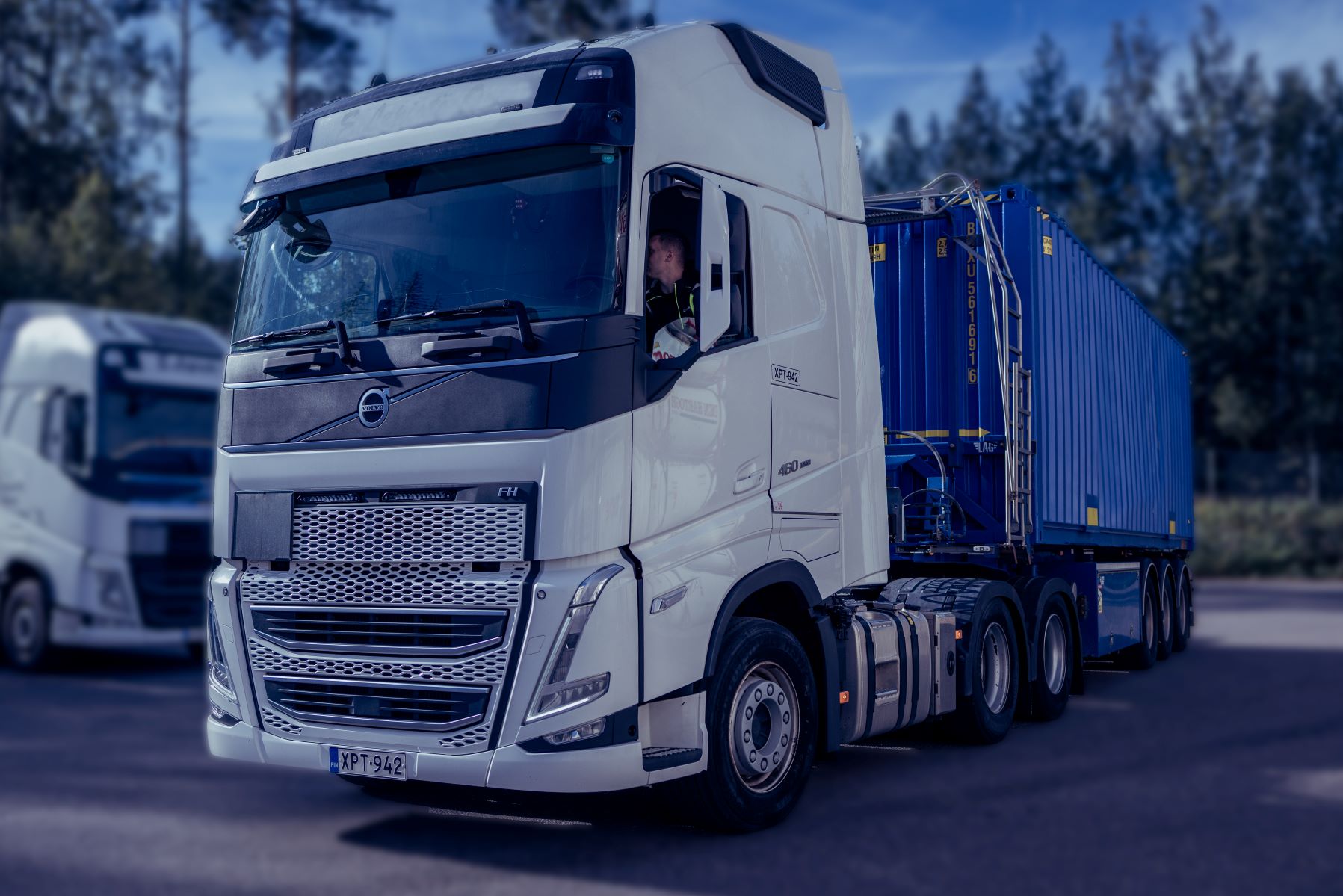
Dry bulk logistics also demands flexible loading and unloading solutions. Standard containers work for some materials, while others require bulk containers or specialised silo containers with rotary valve systems for efficient discharge. This flexibility extends to inland transport, where tipping chassis enable direct delivery to storage facilities.
Temperature control and environmental protection become critical factors, particularly for sensitive materials that could degrade or clump under certain conditions. The supply chain must account for these variables when planning routes and storage times.
How do you choose the right transport solution for dry bulk cargo?
Selecting the optimal transport solution depends on cargo characteristics, destination requirements, and handling capabilities at both origin and delivery points. The choice between standard containers, bulk containers, and silo containers determines efficiency and cost-effectiveness.
Standard containers with liner bags suit many dry bulk applications, providing cost-effective protection while maintaining flexibility in routing and handling. This option works well for granular materials that don’t require specialised discharge systems.
Bulk containers offer advantages for larger volumes and materials that benefit from gravity discharge systems. These containers integrate well with intermodal transport, allowing seamless transfers between sea, road, and rail transport modes.
Container-to-silo solutions provide the highest efficiency for facilities equipped with pneumatic or mechanical discharge systems. Rotary valve systems enable direct transfer from container to storage, reducing handling time and contamination risks.
Intermodal transport benefits include route optimisation, reduced handling, and environmental advantages. The ability to combine sea freight with efficient inland transport creates cost savings while maintaining delivery reliability.
What role does end-to-end logistics play in dry bulk efficiency?
Comprehensive logistics support coordinates multiple transport modes and handling requirements to create seamless dry bulk operations. This approach eliminates gaps between different stages of the supply chain, reducing delays and potential quality issues.
Freight forwarding services manage the complexity of international dry bulk transport, handling documentation, routing, and coordination between different carriers and facilities. This coordination becomes particularly important when combining sea freight with inland transport to final destinations.
Customs services ensure smooth import and export processes, managing the specific requirements for different dry bulk commodities. Some materials require special documentation or handling procedures that experienced logistics providers understand and manage efficiently.
The integration of sea, road, and intermodal transport creates opportunities for route optimisation and cost reduction. Rather than managing separate transport arrangements, coordinated logistics services ensure each stage connects smoothly with the next.
Technical expertise in dry bulk handling provides additional value through proper equipment selection, loading procedures, and discharge planning. This knowledge helps prevent common issues like moisture contamination or material degradation during transport.
How can you optimise costs while maintaining quality in dry bulk transport?
Cost optimisation in dry bulk transport focuses on transparent pricing, route efficiency, and quality management systems that prevent expensive delays or cargo damage. The key lies in balancing immediate transport costs with long-term reliability and service quality.
Transparent pricing models help you understand exactly what services you’re paying for and identify areas for potential savings. This clarity enables better budgeting and comparison between different transport options and service providers.
Route optimisation considers factors beyond simple distance, including port capabilities, inland transport efficiency, and delivery timing requirements. Sometimes longer routes prove more cost-effective when they offer better handling facilities or avoid congestion delays.
Quality management systems prevent costly issues like contamination, moisture damage, or handling delays that can significantly impact total logistics costs. Investing in proper container selection and handling procedures often saves money compared to dealing with cargo quality problems.
Recycling programmes for liner bags and other packaging materials reduce environmental impact while controlling costs. These programmes also demonstrate environmental responsibility, which increasingly matters to customers and regulatory authorities.
Partnership with experienced dry bulk transport providers brings economies of scale and expertise that individual shippers cannot achieve alone. These partnerships often provide access to better equipment, routing options, and handling capabilities at competitive prices.
Optimising dry bulk supply chain efficiency requires understanding the unique characteristics of these materials and implementing appropriate transport solutions. The combination of specialised equipment, comprehensive logistics support, and experienced service providers creates the foundation for reliable, cost-effective dry bulk transport. At Transitainer Shipping, we provide tailored logistics solutions for dry commodities, offering door-to-door transport via standard, bulk, and silo containers, supported by technical expertise and flexible inland transport solutions that ensure efficient and safe dry bulk logistics operations. For more information about our capabilities, contact us for consultation.