Yes, flexitank shipping solutions can handle cross-docking operations effectively. Cross-docking allows bulk liquids to transfer between transport modes without intermediate storage, making it an efficient logistics approach for flexitank operations. The process requires proper coordination between transport modes and careful handling procedures to maintain cargo integrity throughout the transfer.
What exactly is cross-docking and how does it work with flexitanks?
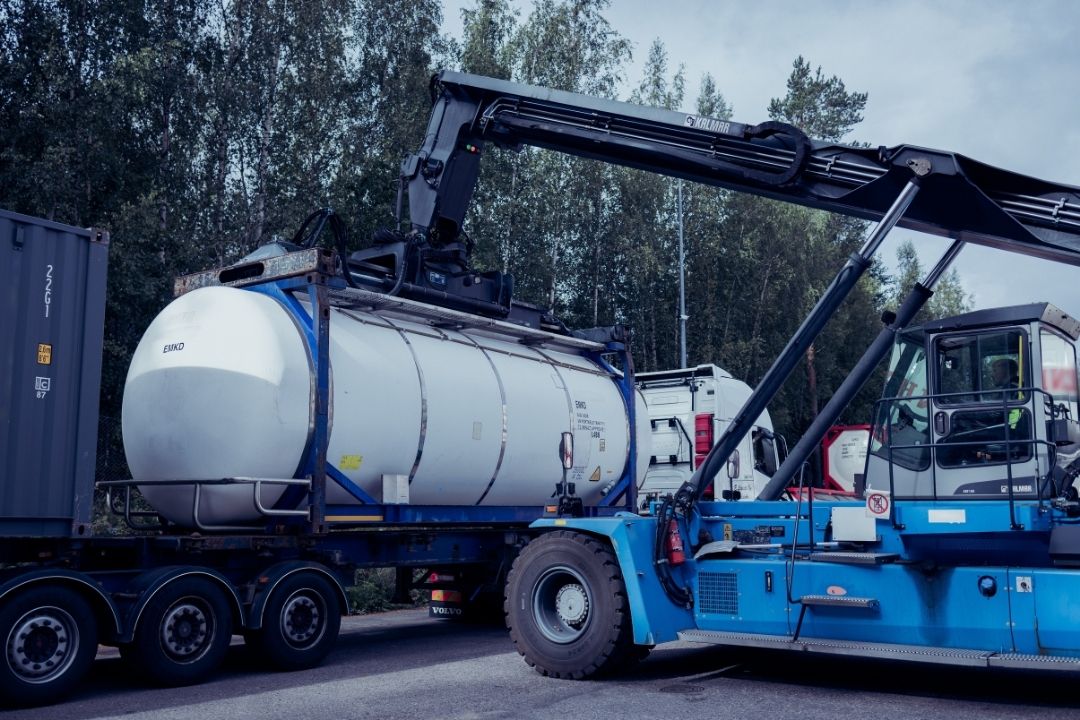
Cross-docking is a logistics practice where cargo transfers directly from one transport mode to another without being stored in a warehouse. For flexitank operations, this means bulk liquids can move seamlessly from sea containers to road transport or between different shipping methods without the need for intermediate storage facilities.
In flexitank cross-docking, the process typically involves transferring a flexitank from an incoming container to an outgoing transport mode within a short timeframe. This approach works particularly well for non-hazardous liquid cargo that doesn’t require extended storage periods. The flexitank remains intact during the transfer, maintaining the cargo’s quality and reducing handling risks.
The efficiency of cross-docking with flexitanks comes from eliminating storage costs and reducing overall transit times. Your cargo moves through the supply chain more quickly, which can be particularly beneficial for time-sensitive shipments or when storage facilities are limited at transfer points.
Can flexitanks handle the physical demands of cross-docking operations?
Flexitanks are designed to withstand the physical demands of cross-docking operations, including multiple handling procedures and transfers between transport modes. With a capacity of up to 27,000 litres, these containers are built to maintain structural integrity during loading, unloading, and transfer processes.
The flexible design of these containers actually provides advantages during cross-docking operations. Unlike rigid containers, flexitanks can adapt to different container shapes and sizes whilst maintaining their protective properties. This flexibility reduces the risk of damage during transfers and allows for more efficient space utilisation.
However, proper handling equipment and trained personnel are essential for successful cross-docking operations. The flexitank logistics providers you work with should have experience with cross-docking procedures and access to appropriate handling equipment to ensure safe transfers between transport modes.
What are the main challenges when cross-docking with flexitank solutions?
The primary challenges in flexitank cross-docking include timing coordination, equipment compatibility, and maintaining cargo quality during transfers. These operations require precise scheduling to minimise waiting times and ensure smooth transitions between transport modes.
Equipment compatibility presents another significant challenge. Different transport modes may require specific handling equipment, and not all facilities have the necessary infrastructure for efficient flexitank transfers. You need to verify that cross-docking facilities have compatible equipment before planning your shipments.
Time constraints can create pressure during cross-docking operations. Flexitank transport services must coordinate arrival and departure schedules carefully to avoid delays. Weather conditions, traffic, and operational delays at ports or terminals can impact the timing of cross-docking operations.
Quality control during transfers requires attention to temperature control for sensitive cargo and proper handling procedures to prevent contamination. Each transfer point introduces potential risks that need management through proper protocols and experienced handling teams.
How do you coordinate flexitank cross-docking with different transport modes?
Coordinating flexitank cross-docking requires detailed planning and communication between sea, road, and intermodal transport providers. This coordination involves synchronising arrival and departure schedules, ensuring equipment availability, and maintaining clear communication channels throughout the process.
The coordination process begins with establishing clear timelines for each transport mode. Sea freight schedules need to align with road transport availability, and all parties must understand the time windows for successful cross-docking. Flexitank freight forwarding services play a vital role in managing these complex schedules.
Documentation and customs clearance must be coordinated in advance to prevent delays during cross-docking operations. All necessary paperwork should be prepared and approved before cargo arrives at the cross-docking facility.
Communication systems need to provide real-time updates on cargo status, transport schedules, and any potential delays. This allows all parties to adjust their operations accordingly and maintain efficient cross-docking procedures.
Technology integration helps streamline coordination efforts. Modern flexitank logistics services use tracking systems and communication platforms to monitor cargo movement and coordinate between different transport providers throughout the cross-docking process.
Cross-docking with flexitank solutions offers significant advantages for bulk liquid transportation when properly coordinated. The key to success lies in working with experienced providers who understand the complexities of intermodal transport and have the infrastructure to support efficient cross-docking operations. We specialise in managing these complex logistics operations, ensuring your bulk liquid cargo moves efficiently through cross-docking facilities whilst maintaining quality and meeting delivery schedules. For more information about our comprehensive flexitank services or to discuss your specific cross-docking requirements, please contact our logistics experts.