Choosing the right container type for dry bulk cargo is one of those decisions that looks simple on the surface but can quietly affect your costs, delivery timelines, and cargo quality if you get it wrong. Whether you are shipping food-grade granules across the Baltics or moving chemical powders to global markets, the container solution you choose shapes the entire logistics chain.
This guide walks through the most important questions buyers and supply chain managers ask when planning dry bulk cargo transport services, so you can make a confident, informed decision from the start.
What is dry bulk shipping, and what types of cargo does it cover?
Dry bulk shipping is the transportation of loose, unpacked solid commodities in large quantities, without individual packaging. The cargo is loaded directly into a container or bag system rather than into boxes or onto pallets. Common dry bulk cargo types include granules, powders, seeds, resins, and other free-flowing or semi-flowing solid materials across the chemical, food, and agricultural sectors.
The range of products that fall under dry bulk is broader than many people expect. On the food side, you might be shipping starch, sugar, or flour. On the industrial and chemical side, the cargo could be plastic pellets, fertilizer granules, or mineral powders. Each of these products has different flow characteristics, moisture sensitivity, and contamination risks, which is why the container solution needs to match the specific commodity rather than just the volume.
Understanding your cargo type is the starting point for every other decision in this process. Once you know what you are shipping, you can evaluate which container format protects it best during transit.
What are the main container types used for dry bulk cargo?
The three main container types used for dry bulk cargo transport are standard dry containers with liner bags, bulk containers, and silo containers. Each is suited to different cargo characteristics and delivery requirements. The right choice depends on factors like cargo flowability, destination infrastructure, and whether the receiver needs a container-to-silo transfer or a bagged delivery.
Standard dry containers with liner bags
A standard 20-foot or 40-foot dry container fitted with a liner bag is one of the most flexible and widely used options for dry bulk shipments. The liner bag is inserted inside the container and holds the loose cargo, protecting it from moisture, contamination, and the container walls themselves. This setup works well for food-grade products and chemical granules where hygiene and product integrity are priorities.
Bulk containers and silo containers
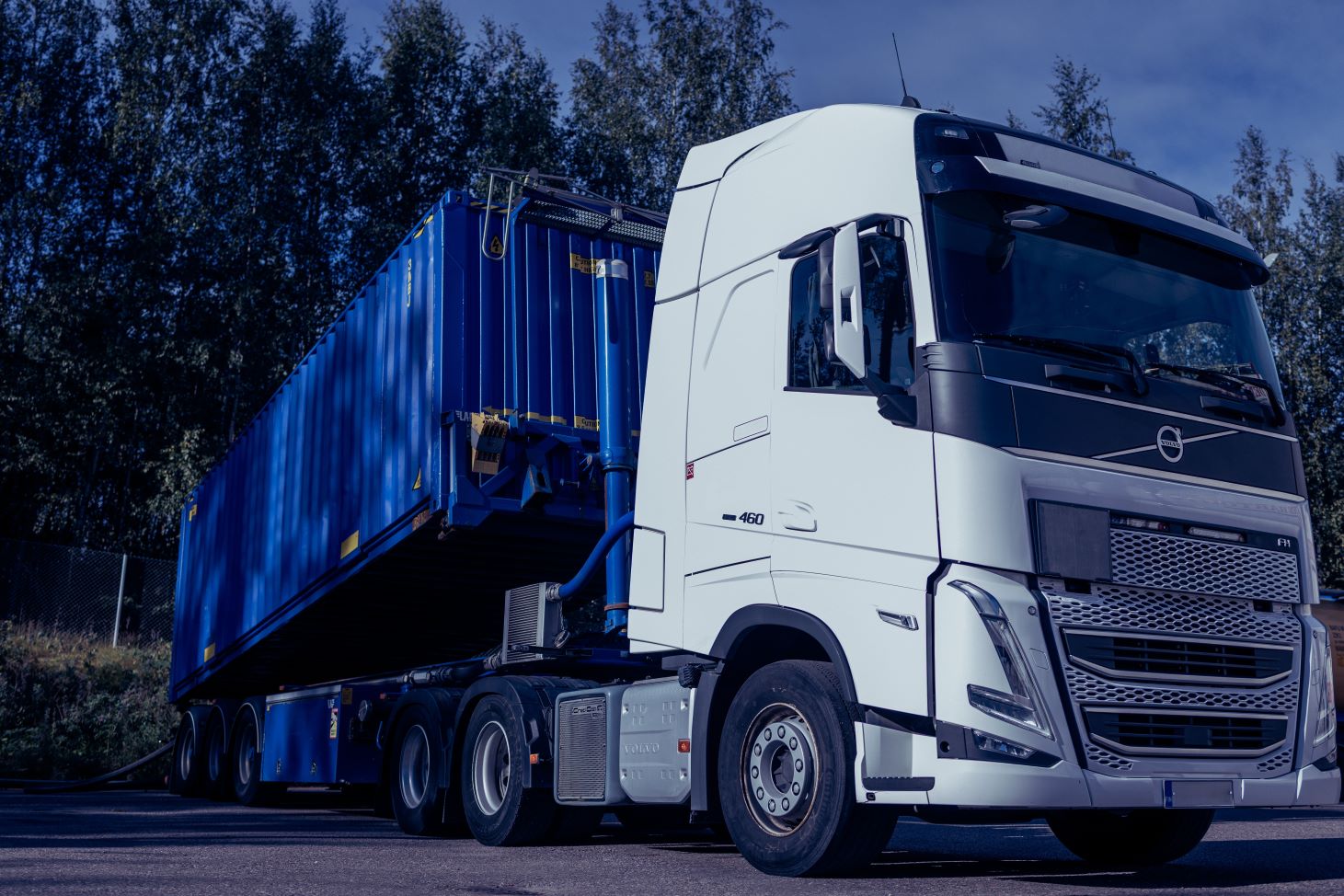
Bulk containers are specifically designed for loose cargo loading through hatches in the roof and discharge through openings at the front or bottom. Silo containers are used when the receiving facility requires pneumatic unloading directly into a storage silo. These options are more infrastructure-dependent, meaning the discharge method at the destination needs to be confirmed before selecting either of these formats.
How do you match a container type to your specific dry bulk commodity?
You match a container type to your dry bulk commodity by evaluating four key factors: the physical properties of the cargo, the required hygiene standard, the discharge method at the destination, and the transport route. A commodity that flows freely and is discharged into a silo at the destination calls for a different solution than a powder that needs careful containment and bagged delivery.
For food-grade granules or chemical granules where contamination control matters, a liner bag inside a standard dry container is often the right starting point. The liner creates a clean, sealed environment and can be disposed of or recycled after use. For destinations equipped with rotary valve systems or pneumatic discharge, a container-to-silo transfer via a silo container becomes a practical and efficient option.
It also helps to think about the full door-to-door journey. If your cargo passes through multiple transport modes, including sea freight and inland road transport, you need a container solution that holds up across all of those legs without risking cargo integrity or creating complications at customs or during terminal handling.
What’s the difference between a bulk liner bag and a standard dry container for loose cargo?
The key difference is that a bulk liner bag is an insert placed inside a standard dry container to enable loose cargo loading, while a standard dry container on its own is designed for packaged goods and is not suitable for loose bulk without modification. The liner bag transforms a general-purpose container into a functional bulk transport unit, adding a protective barrier between the cargo and the container walls.
Without a liner bag, loading loose granules or powder directly into a standard dry container would contaminate the container, create residue problems, and make it impossible to recover the cargo cleanly at the destination. The liner bag solves all of this. It is fitted before loading, sealed once the container is full, and designed to discharge the cargo efficiently at the receiving end.
From a practical standpoint, liner bag solutions offer good flexibility because standard dry containers are widely available across global shipping networks. You are not dependent on specialized equipment being available at your loading port, which matters when you are working with tight schedules or less common trade lanes. This is one reason why liner-based dry bulk cargo transport services remain popular for both food and chemical commodities.
What factors affect cost when choosing a dry bulk container solution?
The main cost factors in dry bulk container selection are equipment availability, liner or bag costs, inland transport requirements, discharge infrastructure at the destination, and the overall door-to-door logistics structure. Choosing the wrong container type for your destination setup can add unexpected costs at the unloading stage that outweigh any savings made earlier in the chain.
Equipment availability plays a bigger role than many shippers expect. Silo containers and specialized bulk containers are not as universally available as standard dry containers, which can affect both pricing and scheduling flexibility. If your trade lane has limited equipment repositioning, you may face higher costs or longer lead times for specialized units.
Inland transport is another variable. Tipping chassis for flexible inland delivery, SDU deliveries via rotary valve systems, and container-to-silo transfers all have different cost structures depending on the destination region and the receiving facility’s capabilities. Mapping out the full delivery chain before committing to a container type helps you avoid surprises and build a more accurate cost picture from the start.
Recycling and disposal of liner bags also factor into the total cost. Working with a logistics partner that has recycling programs in place can reduce waste handling costs and support your company’s sustainability commitments at the same time.
What are the most common mistakes when selecting a container for dry bulk transport?
The most common mistakes are selecting a container type without confirming the discharge method at the destination, underestimating moisture sensitivity, and treating all dry bulk commodities as interchangeable. These errors often lead to cargo damage, delays at the destination, or costly re-handling that could have been avoided with better planning upfront.
One frequent issue is assuming that a standard dry container with a liner bag works for every commodity. Some powders or hygroscopic materials need additional moisture barriers or temperature-controlled storage during transit. If these requirements are not addressed at the planning stage, product quality can deteriorate before it reaches the customer.
Another common oversight is failing to verify the receiving facility’s unloading capabilities before booking transport. A silo container is only useful if the destination has the right equipment to receive it. Arriving with the wrong container type at a facility that cannot handle it creates delays, demurrage costs, and operational headaches for everyone in the supply chain.
Finally, many shippers underestimate the value of working with a logistics partner that has technical expertise in dry bulk. The container is just one part of the equation. Documentation, labeling, customs clearance, and coordinating the full intermodal journey all require specific knowledge that generalist freight forwarders may not have.
At Transitainer Shipping, we offer tailored dry bulk cargo transport services that cover the full door-to-door journey, from liner bag selection and inland transport to container-to-silo transfers and recycling solutions. We work with food-grade and chemical granules, and our partner network across the Nordics and the Baltics means we can handle the technical and operational details so you do not have to. If you are planning a dry bulk shipment and want to make sure you are using the right container solution, reach out to our team and we will be happy to help you explore the options.