Managing bulk cargo transport across international supply chains is rarely straightforward. Whether you’re moving liquid chemicals, food-grade oils, or dry granules across continents, the logistics decisions you make early on shape everything from cost and compliance to delivery reliability. This guide walks you through the most important questions businesses ask when navigating door-to-door bulk cargo logistics services, so you can make informed decisions with confidence.
From understanding the basics of bulk freight to choosing the right partner for tank container transport in the Baltics and beyond, here is everything you need to know.
What is bulk cargo transport, and how does it differ from standard freight?
Bulk cargo transport refers to the movement of unpackaged goods in large quantities, where the cargo itself fills the container or vessel rather than being packed into boxes or pallets. This applies to liquids, gases, and dry materials such as granules or powders. Unlike standard freight, bulk transport requires specialized equipment, handling procedures, and technical expertise tailored to the nature of the cargo.
Standard freight typically involves packaged goods that can be stacked, labeled, and handled with general equipment. Bulk cargo, by contrast, demands containers designed specifically for the product, whether that is an ISO tank for chemicals, a flexitank for non-hazardous liquids, or a liner bag system for dry commodities. The loading and unloading processes are also fundamentally different, often requiring pumping systems, tipping chassis, or rotary valve mechanisms, depending on the cargo type.
The distinction also matters from a compliance and documentation perspective. Bulk shipments, particularly hazardous or food-grade cargo, carry strict regulatory requirements for labeling, cleaning, and certification. This is why dry bulk cargo transport services and liquid bulk logistics operate as distinct disciplines within the broader freight industry.
What are the main challenges of managing bulk cargo in international supply chains?
The main challenges of managing bulk cargo in international supply chains include equipment availability, cargo compatibility, regulatory compliance across borders, and coordinating multiple transport modes seamlessly. Each of these factors can create delays or added costs if not managed proactively by an experienced logistics provider.
Equipment availability is a frequent pressure point. ISO tanks, flexitanks, and specialized dry bulk containers are not universally available at every origin or destination. A shipment that moves smoothly on the main leg can stall locally if the right equipment or handling infrastructure is not in place. This is especially relevant for businesses shipping to or from the Nordic and Baltic regions, where local expertise matters as much as global reach.
Cargo compatibility is another layer of complexity. Not all containers are suitable for all products. Food-grade cargo requires cleaned and certified equipment. Hazardous chemicals require specific approvals and documentation. Temperature-sensitive liquids may need controlled storage during transit. Managing these requirements across multiple countries, shipping lines, and inland carriers demands coordination that goes well beyond booking a standard freight shipment.
Finally, customs clearance and documentation requirements vary significantly between countries, adding another variable to an already complex operation. Businesses that underestimate this complexity often face delays at borders that ripple through the entire supply chain.
How does intermodal transport work for bulk cargo shipments?
Intermodal transport for bulk cargo combines two or more modes of transport—typically sea and road, and sometimes rail—using the same container throughout the journey. The cargo stays inside the same tank or bulk container from origin to destination, which reduces handling risk, maintains cargo integrity, and simplifies the overall logistics chain.
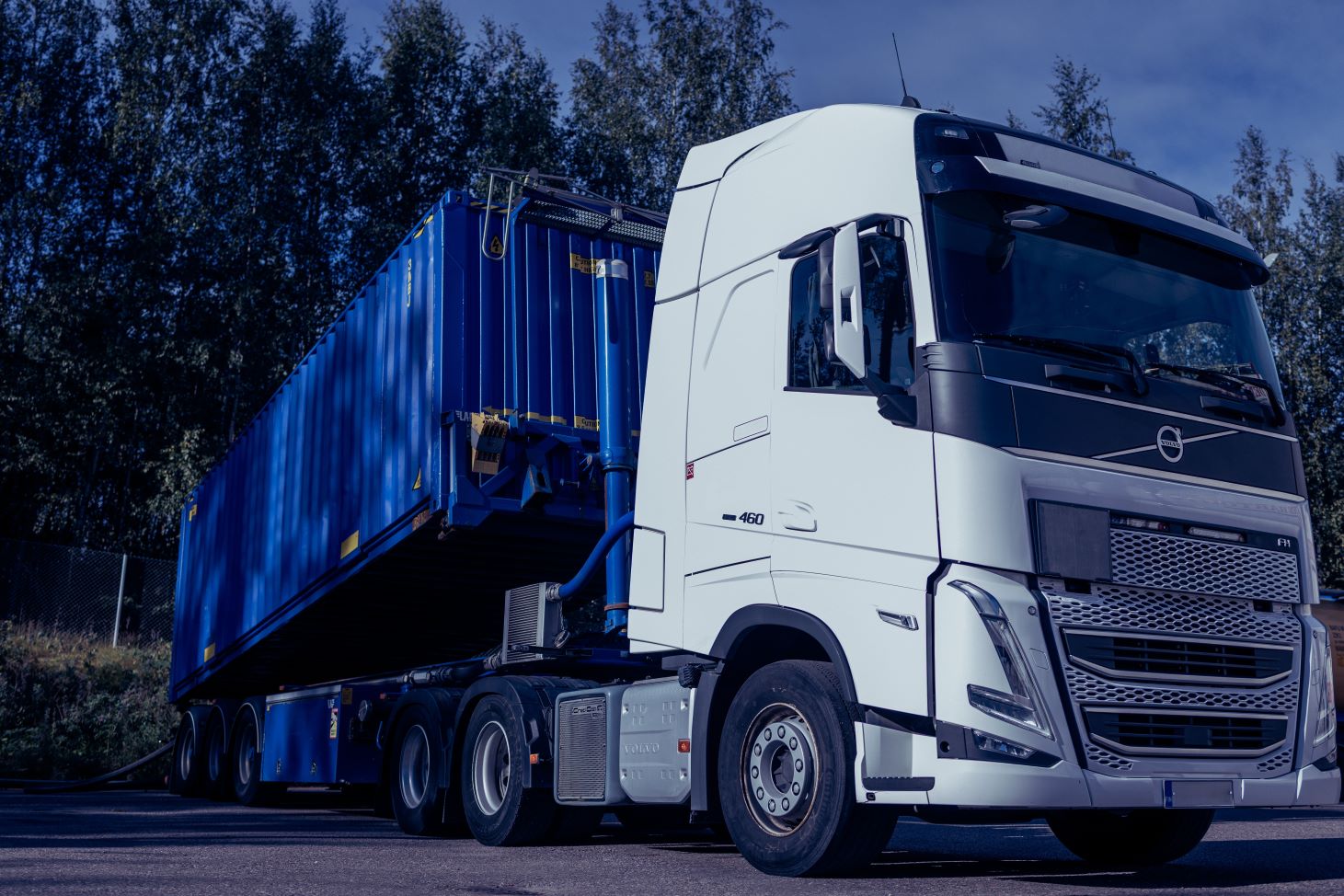
For liquid and dry bulk shipments, intermodal transport works particularly well because the containers used, such as ISO tanks or bulk containers with liner bags, are built to international standards and compatible with multiple transport modes. This means a tank container loaded at a chemical plant can travel by truck to a port, transfer to a deep-sea vessel, and then continue by road to the final delivery point without the cargo ever being transferred between containers.
Why intermodal matters for complex supply chains
For businesses managing complex international supply chains, intermodal transport reduces the number of handover points where errors or damage can occur. It also provides more flexibility in routing, since the same container can adapt to different infrastructure along the journey. When combined with door-to-door bulk cargo logistics services, intermodal transport gives supply chain managers a single point of accountability from collection to delivery.
Local operations at each end of the journey, including trucking, terminal handling, and documentation, are what make or break an intermodal solution. A strong network in the regions you operate in is not optional; it is what determines whether your cargo actually arrives on time and in the right condition.
What is the difference between ISO tanks and flexitanks for liquid cargo?
The key difference between ISO tanks and flexitanks is that ISO tanks are rigid, reusable stainless steel containers designed for a wide range of liquids, including hazardous chemicals and gases, while flexitanks are single-use, flexible bladders fitted inside a standard 20-foot dry container and designed exclusively for non-hazardous liquid cargo. Each solution suits different cargo types, volumes, and operational needs.
When to use an ISO tank
ISO tanks are the right choice when you are transporting hazardous chemicals, gases, food-grade liquids that require certified cleaning between uses, or high-temperature cargo. They are robust, internationally certified, and can be used repeatedly across many shipments. Because we operate tank containers on a global scale, you do not need to worry about managing equipment availability, scheduling routes, or coordinating the logistics yourself. We handle the full cycle, from transport and terminal handling to cleaning, maintenance, and documentation, so you get a seamless, end-to-end service.
When a flexitank makes more sense
Flexitanks offer a cost-efficient alternative for non-hazardous bulk liquids. With a capacity of up to 27,000 litres, a flexitank fits inside a standard 20-foot container and eliminates the need for a dedicated tank container. This makes it a practical option when you need flexibility without the full infrastructure of ISO tank operations. Services around flexitanks typically include fitting, temperature-controlled storage, cross-pumping support, loading and unloading assistance, and recycling programs for used flexitanks.
The practical advantage for customers is not just the technical specification but what each solution means operationally. ISO tanks give you reliability and repeatability for demanding cargo. Flexitanks provide a cost-effective flexitank transport solution for simpler, non-hazardous liquids when you want to keep overhead low. Choosing between them depends on your cargo type, volume, frequency, and destination.
How does customs clearance work for international bulk cargo shipments?
Customs clearance for international bulk cargo shipments involves submitting the correct documentation to the customs authorities of the importing and exporting countries, paying applicable duties and taxes, and ensuring the cargo meets all regulatory requirements before it is released for onward transport. For bulk cargo, this process often involves additional documentation related to cargo classification, hazardous goods declarations, or food safety certifications.
The documentation required typically includes a commercial invoice, packing list, bill of lading, and any cargo-specific certificates, such as material safety data sheets for chemicals or health certificates for food-grade products. For shipments moving through multiple countries, each border crossing may require its own set of declarations, which adds time and administrative complexity to the process.
Working with a logistics provider that handles customs clearance as part of an integrated service significantly reduces the risk of errors or delays. When customs expertise sits within the same team managing your transport, documentation is aligned from the start rather than being handled separately at the last moment. This is particularly valuable for businesses importing or exporting through the Nordic and Baltic regions, where customs requirements and transit procedures have their own specific characteristics.
How do you choose the right bulk cargo logistics partner for complex supply chains?
Choosing the right bulk cargo logistics partner comes down to four factors: specialized equipment and technical expertise, a strong local and global network, integrated services from transport to customs, and a track record of handling cargo similar to yours. A partner who ticks all four boxes gives you reliability, flexibility, and a single point of contact across the entire supply chain.
Start by assessing whether the provider has direct experience with your cargo type. A company that handles food-grade liquids, hazardous chemicals, and dry bulk commodities operates very differently from a general freight forwarder. Ask specifically about their equipment base, how they manage cleaning and maintenance, and whether they can handle local operations at both origin and destination, not just the main transport leg.
Network depth matters as much as geographic reach. A provider with strong connections in the Nordics and Baltics, combined with a global partner network for deep-sea transport, gives you far more flexibility than one that relies entirely on third parties for local handling. Tank container transport in the Baltics, for example, requires familiarity with local terminals, customs procedures, and inland transport infrastructure that only comes from direct operational experience in the region.
Finally, look for a partner who offers end-to-end accountability. Freight forwarding, customs clearance, trucking, terminal handling, documentation, and cargo-specific technical support should ideally come from one coordinated team. When things go wrong in complex international supply chains—and occasionally they do—you want one partner who owns the problem and has the tools to solve it, not a chain of subcontractors pointing at each other.
At Transitainer Shipping, we bring together all of these capabilities under one roof. From ISO tank and flexitank logistics to dry bulk transport services and full customs support, we operate across sea, road, and intermodal routes with a strong focus on the Nordic and Baltic markets. If you are ready to work with a partner who understands the technical and operational demands of international bulk cargo, reach out to our team to discuss your specific needs and find a solution that works for your supply chain.